





Cobimetinib is an oral kinase inhibitor. Standardized administration, appropriate management of adverse reactions, and avoidance of drug interactions are key to ensuring efficacy and safety.
I. Basic Administration Standards
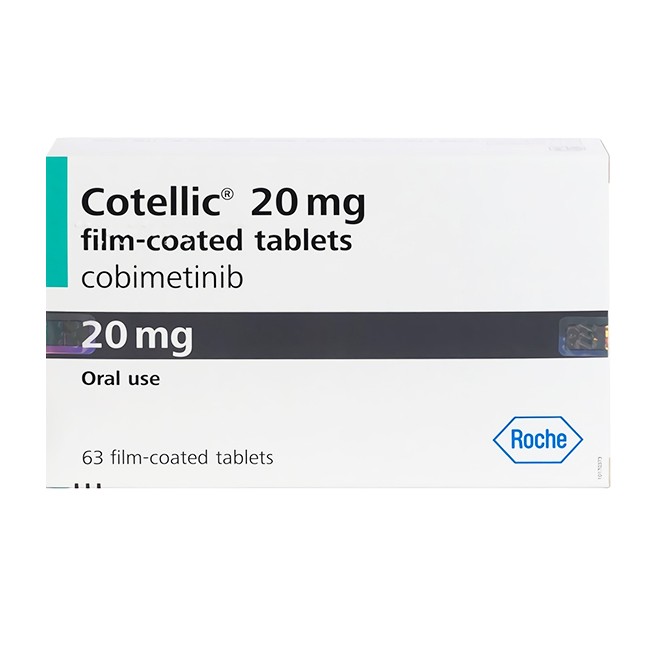
Dosage and cycle: The recommended dose is 60 mg (i.e., three 20 mg tablets) orally once daily. Each cycle is 28 days, with dosing only on the first 21 days and no dosing on the following 7 days, continued until disease progression or unacceptable toxicity.
Timing of administration: It may be taken with or without food and is not affected by meals.
Missed doses and vomiting: If a dose is missed or vomiting occurs after dosing, do not make up the dose; simply take the next scheduled dose as planned.
Applicable population: It is used for BRAF V600E/V600K-mutant melanoma (in combination with vemurafenib) and histiocytic neoplasms (as monotherapy); BRAF mutation status must be confirmed before use in melanoma.
II. Identification of Adverse Reactions and Dose Adjustment
Cardiovascular monitoring: Assess left ventricular ejection fraction (LVEF) before treatment, 1 month after initiation, and every 3 months thereafter; after restarting treatment, reassessment is required at approximately weeks 2, 4, 10, and 16.
Ophthalmic and dermatologic: Perform regular ophthalmologic examinations and seek prompt medical attention for visual abnormalities; retinal vein occlusion requires permanent discontinuation. Avoid sun exposure and use sunscreen with SPF ≥30; severe rash requires interruption, dose reduction, or discontinuation.
Hepatic, renal, and muscular: Monitor liver function before treatment and monthly thereafter; regularly monitor creatine phosphokinase (CPK) and creatinine, and remain alert for rhabdomyolysis.
Hemorrhage and embryotoxicity: Monitor for signs of bleeding; women of reproductive potential should use effective contraception during treatment and for 2 weeks after the last dose, and must not breastfeed during treatment or for 2 weeks after discontinuation.
Dose reduction ladder: First reduce to 40 mg once daily, then to 20 mg once daily; permanently discontinue in patients unable to tolerate 20 mg. For most adverse reactions, after withholding treatment until improvement, resume at the next lower dose level.
III. Avoidance of Drug Interactions
CYP3A inhibitors: Avoid concomitant use of strong or moderate CYP3A inhibitors (e.g., itraconazole, erythromycin, ciprofloxacin); if short-term (≤14 days) use of a moderate inhibitor is unavoidable, reduce cobimetinib to 20 mg and resume the original dose after discontinuation; patients already on a reduced dose should switch to an alternative drug.
CYP3A inducers: Avoid concomitant use of strong or moderate CYP3A inducers (e.g., carbamazepine, phenytoin, rifampin, St. John's wort) to prevent significant reduction of cobimetinib exposure and diminished efficacy.
Others: Cobimetinib is a P-glycoprotein substrate; concomitant use of P-gp inhibitors may increase its concentration and requires careful evaluation.

Free Inquiry











