





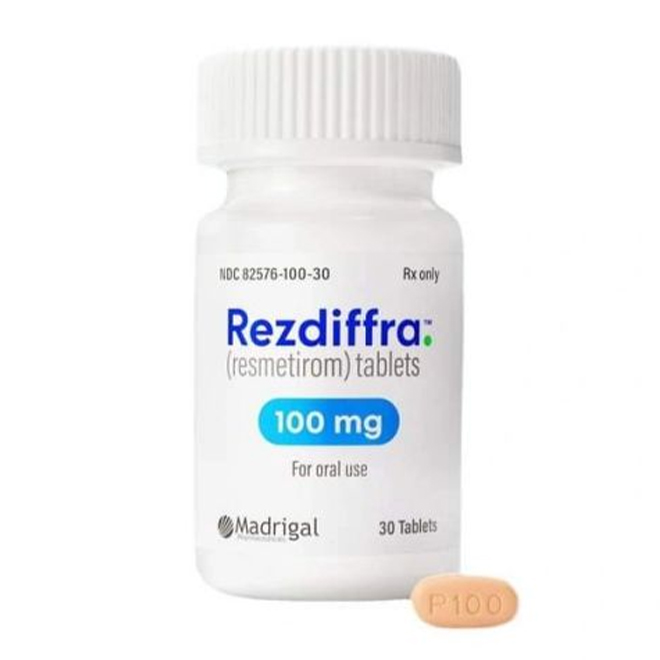
Resmetirom must be used in conjunction with diet and exercise, and a healthy diet is the foundation of MASH treatment. This article provides dietary guidance for patients taking the medication from three aspects: dietary principles, dietary arrangements, and precautions.
I. Basic Dietary Principles
1. Control Total Calories and Maintain a Healthy Weight
Overweight or obesity is an important risk factor for MASH. Patients should control daily total calorie intake and gradually reduce body weight to a reasonable range. Weight loss should not be too rapid to avoid increasing the burden on the liver; goals should be set under the guidance of a physician or dietitian.
2. Limit Saturated and Trans Fats
Reduce intake of animal fats, fried foods, pastries, and processed snacks; cooking should mainly use steaming, boiling, stewing, and cold dressing, and the total amount of cooking oil should be controlled. Appropriately choose vegetable oils such as olive oil and rapeseed oil, and increase foods rich in unsaturated fatty acids such as deep-sea fish.
3. Reduce Refined Sugar and Sugary Drinks
A high-sugar diet promotes hepatic fat synthesis. Patients should drink fewer sugary drinks and juices, eat fewer desserts, candies, and refined rice and flour products, and partially replace staple foods with whole grains, mixed beans, and potatoes.
4. Increase Dietary Fiber
Eat more fresh vegetables, an appropriate amount of fruit, whole grains, and beans, which help increase satiety and improve metabolism. Vegetables should occupy a large proportion of the plate each day; fruit should not be excessive, and juice should not replace fruit.
II. Daily Dietary Arrangements
1. Regular Meals and Avoid Binge Eating
Eat at regular times and in fixed amounts, and avoid eating large amounts after long periods of fasting. Dinner should not be too late or too full, and nighttime snacks should be reduced to help lighten the metabolic burden on the liver.
2. Ensure High-Quality Protein
Appropriately consume fish, poultry, eggs, lean meat, soy products, and low-fat dairy to ensure protein supply and support liver cell repair. Red meat and processed meat products should be eaten less, and high-fat, high-salt pickled and smoked foods should be avoided.
3. Limit Sodium Salt Intake
Reduce pickles, sauces, preserved foods, and high-salt processed foods, and use less salt and soy sauce in cooking, which helps control blood pressure and edema and is especially important for patients with hypertension or metabolic abnormalities.
4. Drink Enough Water and Be Cautious with Alcohol
Drink an appropriate amount of water daily and drink less strong tea, coffee, and sugary beverages. Alcohol can aggravate liver injury, and patients should avoid drinking alcohol, including beer, liquor, and alcoholic beverages.
5. Reasonable Combinations and Varied Foods
Under the premise of controlling total intake, ensure food variety, with a balance of meat and vegetables and a mix of coarse and fine grains, avoid long-term monotonous diets, and ensure intake of vitamins and minerals.
III. Dietary Precautions During Medication
1. Medication Is Unrelated to Meals
Resmetirom can be taken with food or on an empty stomach, and dietary arrangements do not need to be changed because of medication. Tablets must be swallowed whole and must not be split, crushed, or chewed.
2. Avoid Grapefruit and Other Foods That Affect Metabolism
Although not specifically listed in the prescribing information, grapefruit and its juice can affect the metabolism of many drugs; large amounts should be avoided during medication, and specific advice should be sought from a physician or pharmacist.
3. Pay Attention to Dietary Coordination When Taking Statins
Patients taking statins need to limit the daily statin dose, should control high-fat foods more strictly in their diet, and should watch for manifestations such as muscle aches and fatigue, seeking medical attention promptly if abnormalities occur.
4. Adjust Diet When Gastrointestinal Reactions Occur
Diarrhea and nausea are relatively common; during episodes, choose light, easily digestible foods, eat smaller meals more frequently, avoid greasy, spicy, and cold foods, and supplement fluids if necessary.
5. Regular Assessment and Individualized Adjustment
Dietary plans should be individualized based on body weight, liver function, blood glucose and lipids, and comorbidities, with regular follow-up assessment and adjustment by a dietitian if necessary; blind dieting or misuse of health supplements should be avoided.

Free Inquiry











