





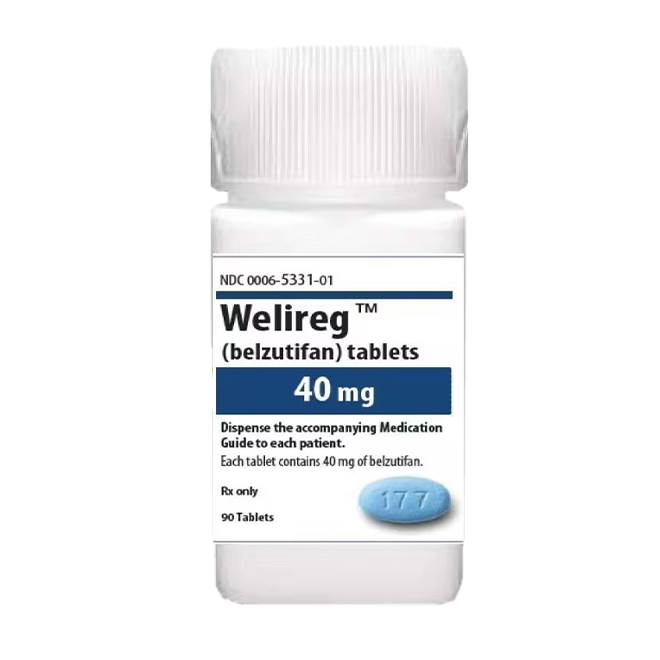
During treatment with belzutifan, a reasonable diet helps maintain physical strength, support medication monitoring, and reduce risks such as anemia and hypoxia; therefore, daily dietary management should be emphasized.
I. Basic Dietary Principles: Regularity and Balance
1. Fixed Medication Time, Independent of Food Intake
Belzutifan can be taken with or without food, but it should be taken at the same time each day. It is recommended to link medication with breakfast or dinner to form a habit and avoid missed doses.
2. Regular Meals, Small and Frequent Meals
During treatment, discomfort such as fatigue and nausea may easily occur. Three meals can be changed to small and frequent meals to reduce gastrointestinal burden and maintain stable energy supply.
3. Balanced Combination, Ensuring High-Quality Protein
The daily diet should include staple foods, high-quality protein (fish, eggs, lean meat, soy products), vegetables and fruits to ensure comprehensive nutrition and help maintain physical strength and immune function.
II. Dietary Adjustments Targeting Medication Risks
1. Preventing and Improving Anemia
Consume iron-rich foods in moderation, such as red meat, animal liver, and dark green vegetables.
Pair with vitamin C-rich fruits (such as oranges and kiwis) to promote iron absorption.
Avoid drinking large amounts of strong tea or coffee with iron-containing foods at the same meal, so as not to affect iron absorption.
When anemia is severe, diet cannot replace medical treatment, and the doctor should be informed promptly.
2. Paying Attention to Hypoxia and Avoiding Aggravating Burden
When shortness of breath or fatigue occurs, avoid overeating to prevent aggravating the respiratory burden.
Eat fewer gas-producing foods (such as beans and carbonated drinks) to reduce the effect of abdominal distension on breathing.
Keep indoor air circulating and chew food slowly when eating.
3. Protecting Renal Function and Electrolyte Balance
Drink water in moderation to avoid dehydration, but patients with abnormal renal function need to control water intake according to medical advice.
Reduce high-salt processed foods and control sodium intake to reduce the burden on the kidneys.
Pay attention to potassium intake; if blood potassium is abnormal, adjust the amount of high-potassium foods such as bananas, oranges, and potatoes according to the doctor's advice.
III. Daily Dietary Safety and Precautions
1. Avoiding Diets That Affect Drug Metabolism
Belzutifan is metabolized by UGT2B17 and CYP2C19. Avoid drinking large amounts of beverages that may interfere with drug metabolism, such as grapefruit juice.
Avoid taking herbal-containing health products on your own; consult a doctor or pharmacist before use.
2. Paying Attention to Food Safety and Preventing Infection
Immunity may decline during treatment. Food should be thoroughly cooked, and raw seafood, raw eggs, and unwashed vegetables and fruits should be avoided.
Refrigerate leftovers promptly and reheat them thoroughly to reduce the risk of intestinal infection.
3. Quitting Smoking, Limiting Alcohol, and Maintaining a Regular Schedule
Smoking and alcohol consumption may aggravate hypoxia and fatigue; quitting smoking and limiting alcohol intake are recommended.
Maintain a regular schedule and moderate activity, and cooperate with dietary management to improve overall condition.
4. Individualized Adjustment and Regular Follow-Up
The dietary plan should be individualized by a doctor or dietitian based on monitoring results such as anemia, hypoxia, and renal function.
If there is a significant decrease in appetite, rapid weight loss, or difficulty eating, seek medical attention promptly, and provide nutritional support when necessary.

Free Inquiry











