





During selumetinib treatment, a reasonable dietary plan helps reduce gastrointestinal discomfort, ensure drug absorption, and maintain nutritional status. Patients should combine the administration method with their own reactions and develop regular, light, and safe eating habits.
I. Dietary Arrangements for Drug Administration
1.Dietary Coordination for Capsules
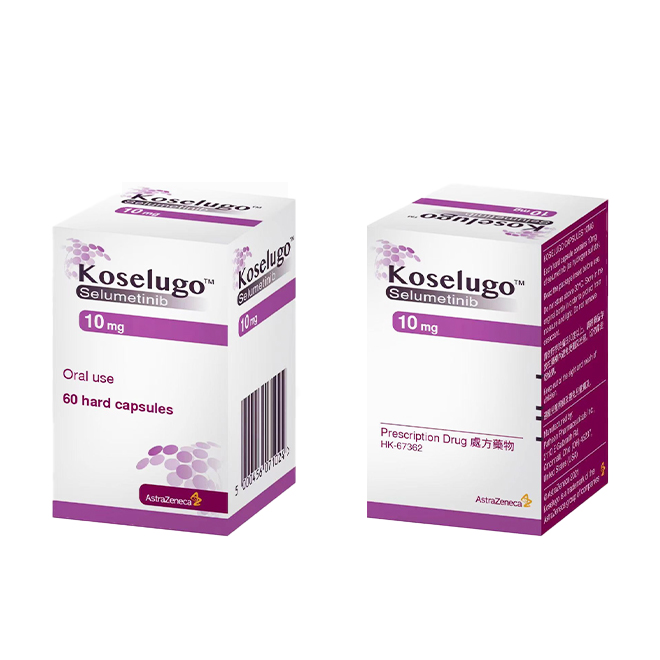
Capsules can be swallowed whole and may be taken with or without food; the dosing time should be relatively fixed.
Taking with or after meals can reduce stomach discomfort, but avoid taking with large amounts of high-fat food to prevent affecting tolerability.
Swallow with an adequate amount of warm water; do not open, chew, or crush the capsules.
2.Dietary Coordination for Oral Granules
Granules can be sprinkled onto or mixed with a small amount of soft food, such as yogurt, applesauce, banana puree, pear puree, or strawberry puree.
Consume within 30 minutes after preparation; discard any unused dose and do not save it for next time.
Do not add granules to liquids, and do not mix with grapefruit or juice, puree, or jam containing Seville oranges.
3.Dietary Management After Missed Dose and Vomiting
If a dose is missed, take it if more than 6 hours remain before the next dose; otherwise skip it; do not double the dose.
Do not take an additional dose after vomiting; resume the next dose as scheduled, and drink small amounts of water frequently during this period.
II. Dietary Adjustments for Gastrointestinal Reactions
1.Dietary Management During Diarrhea
Start an anti-diarrheal agent at the first episode of loose stool, and increase fluid intake to prevent dehydration.
Choose light and easily digestible foods, such as rice porridge, noodles, steamed eggs, and bananas.
Avoid spicy, greasy, raw, cold, and high-fiber foods to reduce intestinal irritation.
Eat small, frequent meals and avoid eating too much at once, which may worsen diarrhea.
2.Dietary Strategies for Nausea and Vomiting
Choose light, warm, or cool foods; avoid dishes with strong odors or that are too hot.
Rest appropriately before and after eating, chew slowly, and avoid taking the drug on an empty stomach to reduce discomfort.
Sucking on ginger slices or drinking mild ginger water may help relieve nausea; consult a doctor to adjust the antiemetic regimen if necessary.
3.Decreased Appetite and Nutritional Support
Prioritize high-quality protein intake, such as fish, lean meat, eggs, and soy products.
Use small, frequent meals, and use nutritional supplements under medical guidance if necessary.
Record weight changes, and seek medical evaluation promptly if weight continues to decline.
III. Daily Dietary Safety and Restrictions
1.Avoiding Foods That Affect Drug Metabolism
Avoid grapefruit and its products to prevent interference with CYP3A4-related metabolism.
Avoid juice, puree, and jam containing Seville oranges.
Do not take supplements containing St. John's wort on your own, as it may induce drug metabolism.
2.Dietary Precautions for Bleeding Risk (Capsule Patients)
Capsules contain vitamin E; avoid additional high-dose vitamin E supplementation.
Patients taking anticoagulants or antiplatelet drugs should avoid large intake of vitamin E-rich nuts and seed oils.
Inform the doctor promptly of abnormalities such as gum bleeding or subcutaneous bruising.
3.Food Hygiene and Drinking Water Safety
Immunity may decline during treatment; food should be thoroughly cooked, and avoid raw seafood and unwashed fruits and vegetables.
Drink boiled or qualified bottled water, and avoid unclean water sources.
Keep tableware clean, and thoroughly reheat leftovers before eating.
4.Establishing Regular Dietary Habits
Fix meal times, and avoid overeating or prolonged fasting.
Ensure adequate water intake, and supplement electrolytes additionally during diarrhea or vomiting.
Quit smoking and limit alcohol to reduce additional burden on the gastrointestinal tract and liver.

Free Inquiry











