





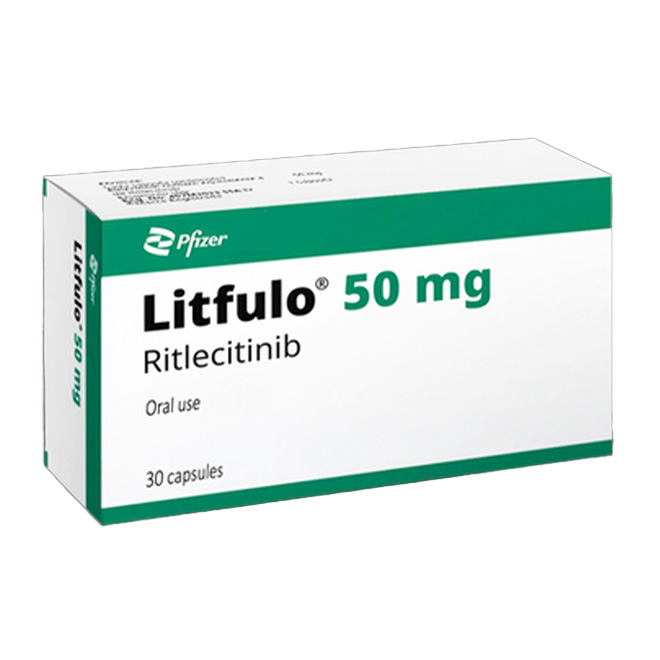
Ritlecitinib is used for the treatment of severe alopecia areata. Maintaining a healthy diet during treatment helps stabilize the body's condition and reduce medication-related risks. The following explains dietary principles, issues requiring attention, and lifestyle coordination.
I. General Dietary Principles
1. Balanced and Light Diet
Ensure balanced intake of protein, carbohydrates, fats, vitamins, and minerals.
Choose more fresh vegetables and fruits, whole grains, lean meat, fish, and soy products.
Eat less fried, high-salt, high-sugar, and processed foods.
2. Regular Meals
Eat three meals a day at regular times and in appropriate amounts, avoiding binge eating or prolonged fasting.
Ritlecitinib can be taken with or without food, and the dosing time should be relatively fixed.
Handle missed doses according to the instructions, and do not increase the dose or take double doses at will due to dietary arrangements.
3. Ensure Adequate Hydration
Drink an appropriate amount of water daily to maintain normal metabolism.
Avoid replacing plain water with sugary beverages.
II. Dietary Issues Requiring Special Attention
1. Blood Glucose Management in Diabetic Patients
Ritlecitinib may cause hypoglycemia, so diabetic patients should strengthen blood glucose monitoring.
In terms of diet, control intake of refined sugar and sweets, and eat staple foods in appropriate amounts with a mix of coarse and fine grains.
Avoid prolonged fasting after taking the medication on an empty stomach; if symptoms of hypoglycemia such as palpitations, sweating, or fatigue occur, manage them promptly and inform the doctor.
2. Liver Function Protection
The medication may cause elevated liver enzymes, so the diet should avoid increasing the burden on the liver.
Limit alcohol consumption, and preferably do not drink alcohol.
Eat less moldy, pickled, and high-fat foods, and use supplements and herbs of unknown origin with caution.
3. Infection Risk and Food Hygiene
The risk of infection increases during treatment, so food safety should be emphasized.
Cook food thoroughly, and avoid raw or undercooked meat, seafood, and unpasteurized dairy products.
Keep raw and cooked food separate, clean tableware, and refrigerate leftovers promptly and reheat them thoroughly.
4. Skin and Allergy-related Concerns
The medication may cause hypersensitivity reactions such as rash and urticaria.
If a certain food is found to be associated with the appearance of rash, a food diary can be kept and a doctor consulted.
Do not avoid foods blindly; ensure comprehensive nutrition.
III. Lifestyle Coordination
1. Avoid Effects Related to Live Attenuated Vaccines
Live attenuated vaccines should be avoided during treatment or shortly before initiation; diet itself does not replace vaccination assessment.
Update immunizations according to the doctor's recommendations; vaccination arrangements do not directly conflict with diet.
2. Quit Smoking and Limit Alcohol
Smoking is associated with cardiovascular and tumor risks, and smoking should be stopped during treatment.
Alcohol consumption may increase the burden on the liver and should be limited or avoided.
3. Moderate Exercise and Weight Management
Combine with regular exercise and control weight, which helps reduce cardiovascular risk.
Pay attention to hydration before and after exercise, and avoid excessive fatigue.
4. Record and Communicate
Record diet, blood glucose, and discomfort symptoms, and provide them to the doctor for reference during follow-up visits.
Seek medical attention promptly if persistent diarrhea, stomatitis, fever, or other conditions occur, and do not replace treatment with diet on your own.

Free Inquiry











