





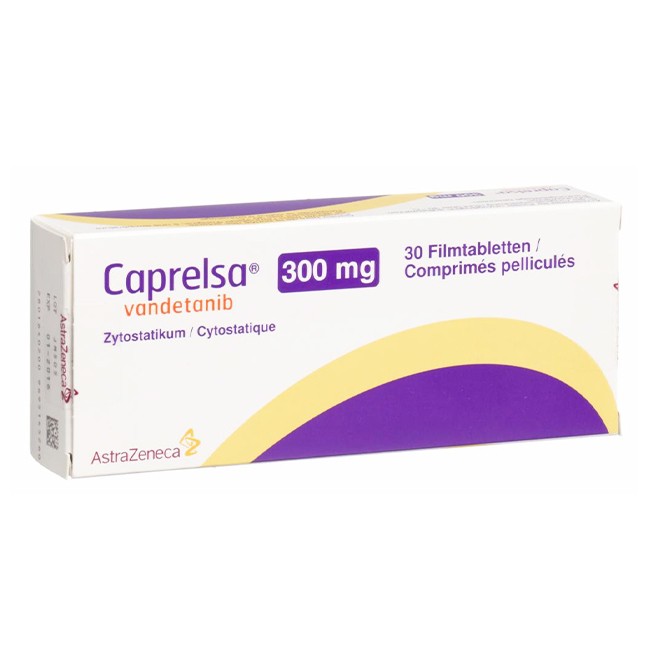
During vandetanib treatment, dietary management should focus on cardiac safety, gastrointestinal tolerance, and nutritional support to optimize drug efficacy and reduce risks.
I. Maintaining electrolyte balance to ensure cardiac safety
1. Prioritize potassium supplementation:
Vandetanib can prolong the QT interval, and hypokalemia is an important trigger. Choose potassium-rich foods such as bananas, oranges, potatoes, spinach, and beans in daily diet to maintain serum potassium within the normal range.
2. Also ensure calcium and magnesium:
Low calcium and low magnesium also increase the risk of arrhythmia. Moderately consume dairy products, soy products, and dark green vegetables for calcium; nuts, whole grains, and leafy greens for magnesium.
3. Limit high-sodium processed foods:
Pickled products and convenience foods are high in sodium, which may interfere with electrolyte balance and raise blood pressure, and should be reduced.
II. Reducing gastrointestinal burden and alleviating diarrhea and nausea
1. Eat small, frequent meals:
Split three meals into five to six small meals to avoid overeating at one time and reduce gastrointestinal pressure.
2. Choose easily digestible foods:
Focus on rice porridge, noodles, steamed eggs, and soft-cooked vegetables; reduce irritation from fried, spicy, raw and cold foods, and high-fiber coarse grains.
3. Pay attention to hydration during diarrhea:
Diarrhea causes loss of water and electrolytes. Drink light salt water or oral rehydration salts; avoid sugary drinks that may worsen diarrhea.
4. Avoid gas-producing foods:
Beans, onions, and carbonated drinks easily cause bloating and should be temporarily avoided when nausea is obvious.
III. Optimizing eating habits in line with drug characteristics
1. No need to deliberately separate medication and meals:
Vandetanib can be taken with or without food, but should be taken at a fixed time to avoid missed doses or too short an interval before the next dose.
2. Avoid grapefruit and strong CYP3A4 inhibitor/inducer foods:
Grapefruit juice may affect drug metabolism; also avoid heavy alcohol consumption to prevent increasing liver burden.
3. Maintain oral hygiene:
Dry mouth or mucosal discomfort may occur during treatment. Rinse mouth after meals, drink water appropriately, and choose soft and moist foods.
4. Monitor blood pressure and weight:
Hypertension is a common adverse reaction; diet should be light and low in salt. Monitor weight regularly; if appetite decreases significantly, consider high-protein, high-calorie nutritional supplements.

Free Inquiry











