





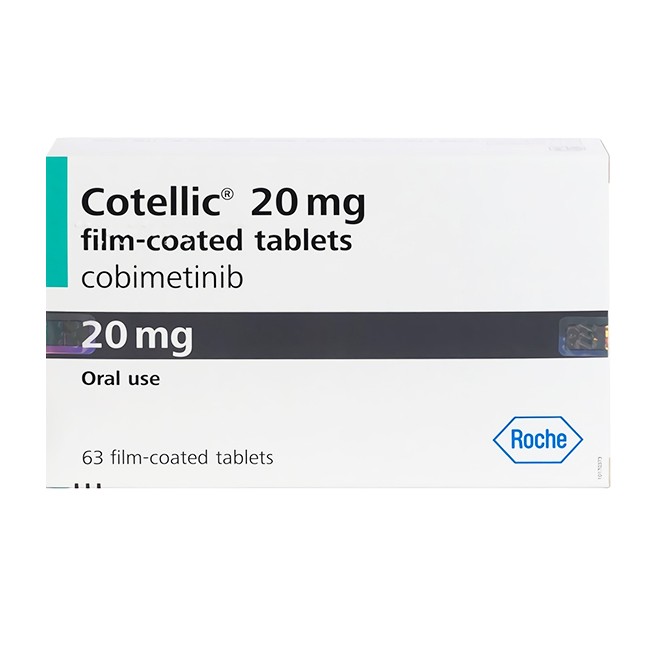
Cobimetinib is an oral MEK inhibitor commonly used for BRAF-mutant melanoma and histiocytic neoplasms. A reasonable diet during treatment helps reduce gastrointestinal discomfort, photosensitivity reactions, and drug interactions. The following explains this from three aspects.
I. Dosing Method and Meal Arrangements
1.Take With or Without Food
Cobimetinib is not affected by food and may be taken with meals or on an empty stomach. It is recommended to set a fixed daily dosing time, build a habit, and avoid missed doses.
2.Handling Missed Doses and Vomiting
If a dose is missed or vomiting occurs after taking the drug, do not take a double dose; simply take the next scheduled dose as normal.
3.Maintain Regular Meals
In each 28-day cycle, the drug is taken for the first 21 days and stopped for the last 7 days. During the off-treatment interval, regular three meals should also be maintained, avoiding binge eating, to help the body stably tolerate treatment.
II. Dietary Adjustments for Common Adverse Reactions
1.Stay Hydrated During Diarrhea
Diarrhea is a common reaction. Drink water in small amounts and frequently, and oral rehydration salts containing electrolytes may be supplemented; choose light, easy-to-digest foods such as plain congee, noodles, and bananas, and temporarily avoid spicy, greasy, and high-fiber foods.
2.Eat Small, Frequent Meals During Nausea and Vomiting
Avoid taking the drug on an empty stomach, which may worsen discomfort. Dry foods such as soda crackers and toast may be eaten; avoid hot foods with strong odors, and let food cool before eating.
3.Protect Liver Function
Liver function needs to be monitored during treatment. The diet should be light, alcohol intake limited, and high-fat fried foods avoided; choose more fresh fruits, vegetables, and high-quality protein.
4.Prevent Muscle and Electrolyte Problems
Elevated creatine kinase or low phosphorus and low sodium may occur. Ensure adequate water intake, consume appropriate amounts of dairy products, soy products, and lean meat, and supplement electrolytes as directed by a doctor if necessary.
III. Avoid Drug Interactions and Photosensitivity Risks
1.Stay Away From Foods That Are Strong CYP3A Inhibitors
Grapefruit, pomelo, and star fruit can inhibit CYP3A and significantly increase cobimetinib blood concentrations, raising the risk of toxicity; they should be completely avoided during treatment.
2.Use Strong Inducer Herbs With Caution
Herbal supplements such as St. John's wort (Hypericum perforatum) can induce CYP3A and reduce drug efficacy, and should not be taken on one's own. Consult a doctor before using any health supplement.
3.Dietary Cooperation to Reduce Photosensitivity Reactions
Photosensitivity reactions are common. When going outdoors, wear protective clothing, apply broad-spectrum sunscreen (SPF≥30), and use lip balm; consuming appropriate amounts of fresh fruits and vegetables rich in vitamins C and E is acceptable, but cannot replace sun protection measures.
4.No Breastfeeding During Lactation
The drug can enter breast milk; breastfeeding should not occur during treatment and for 2 weeks after the last dose.

Free Inquiry











