





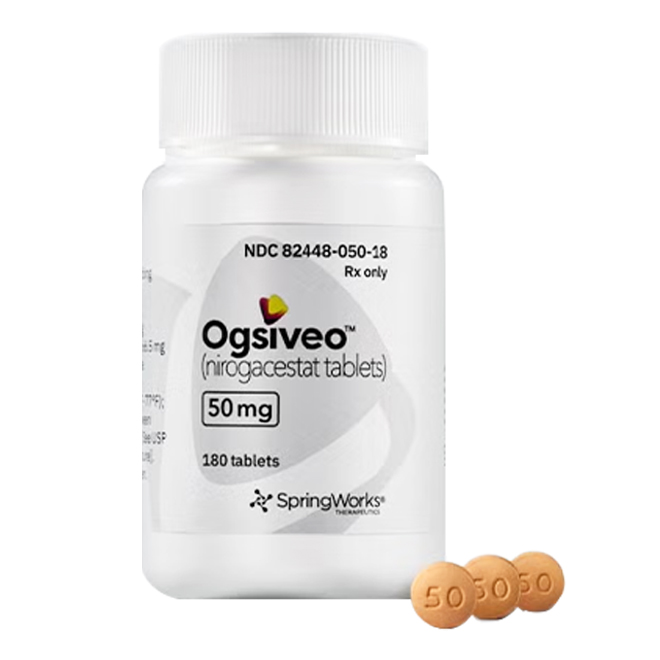
Ogsiveo is a targeted drug for the treatment of progressive desmoid tumors. Dietary arrangements during medication directly affect efficacy and safety, and the following aspects require special attention.
I. Foods to Strictly Avoid
1. Grapefruit and Its Products
Grapefruit, Seville oranges, starfruit, and juices from these fruits are strong or moderate CYP3A inhibitors that can significantly increase the blood concentration of Ogsiveo and raise the risk of adverse reactions. They should be completely avoided during medication.
2. Caffeinated Beverages
Caffeinated drinks such as coffee, strong tea, and cola may worsen diarrhea, insomnia, and other discomforts. They should be limited or avoided, especially when gastrointestinal reactions occur.
3. Alcohol
Alcohol can increase the burden on the liver. Ogsiveo itself can cause elevated transaminases, so alcohol should be avoided during medication to prevent additive liver injury risk.
4. Spicy, Stimulating, High-Fat, and Greasy Foods
Spicy, fried, and high-fat foods easily irritate the gastrointestinal tract and worsen diarrhea and nausea. A light, easily digestible diet is recommended.
II. Administration Methods and Dietary Coordination
1. Relationship Between Medication and Eating
Ogsiveo may be taken with or without food. The medication time should be relatively fixed, twice daily at intervals of about 12 hours, to maintain stable blood drug concentrations.
2. Swallow Whole
Tablets must be swallowed whole and must not be split, crushed, or chewed. They should be taken with warm water, avoiding juices, milk, or other beverages.
3. Interval with Antacids
Concomitant use with proton pump inhibitors and H2 receptor antagonists should be avoided. If antacids are truly necessary, they should be separated from Ogsiveo by at least 2 hours (2 hours before or 2 hours after dosing).
4. Management of Vomiting or Missed Doses
If vomiting occurs after dosing or a dose is missed, there is no need to make up the dose. Take the next dose at the originally scheduled time and never double the dose.
III. Dietary Adjustment for Adverse Reactions
1. Dietary Management of Diarrhea
Diarrhea is the most common adverse reaction. Small, frequent meals are recommended, choosing low-residue foods such as congee, noodles, and bananas, ensuring water and electrolyte intake, and using oral rehydration salts when necessary. Persistent diarrhea should be promptly reported to a doctor.
2. Electrolyte Supplementation
The drug can cause decreased blood phosphorus and potassium. Foods rich in potassium (such as potatoes, spinach, and oranges) and phosphorus (such as lean meat, dairy products, and nuts) may be appropriately increased in the diet, with regular monitoring and supplementation as necessary under medical guidance.
3. Management of Nausea and Oral Mucositis
When nausea occurs, choose light, cool foods and avoid dishes with strong odors. When oral mucositis occurs, avoid overly hot, sour, or hard foods, maintain oral hygiene, and choose soft, easy-to-swallow foods.
4. Skin and Overall Nutrition
Sun protection is needed during medication. Ensure adequate intake of high-quality protein and vitamins in the diet to maintain physical strength and immunity. New or changing skin lesions should be promptly reported to the doctor.

Free Inquiry











