





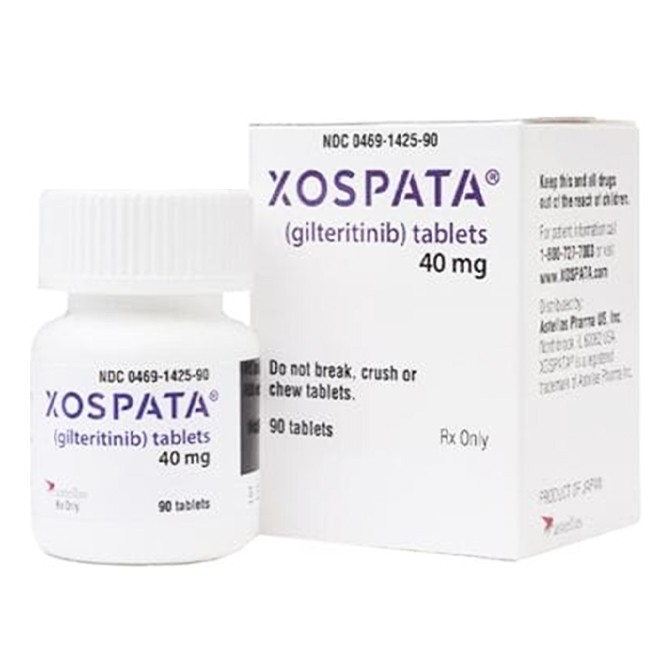
Gilteritinib is used in adult patients with FLT3 mutation-positive relapsed or refractory acute myeloid leukemia. Before treatment, the contraindicated population must be identified, and during treatment, adverse reactions should be recognized and managed promptly. The following explains it from three aspects.
I. Contraindications and Pre-Treatment Screening
1. Contraindicated in allergic patients
Gilteritinib is contraindicated in patients allergic to gilteritinib or any of its excipients. Hypersensitivity reactions have been observed in clinical trials, and a detailed history of allergy to drugs and excipients should be obtained before treatment.
2. Baseline conditions requiring assessment before treatment
Patients with long QT syndrome, a history of arrhythmia, or hypokalemia or hypomagnesemia have an increased risk of QT prolongation; electrolytes should be corrected first and cardiac risk assessed; women of reproductive potential should undergo pregnancy testing before treatment; patients taking strong CYP3A or P-gp modulating drugs should have their medication list reviewed in advance.
3. Contraindications and cautious use in special populations
Administration during pregnancy can cause embryo-fetal toxicity; breastfeeding should not occur during treatment and for 2 months after the last dose; safety and effectiveness in children have not been established, and use is not recommended; the effects of severe hepatic or renal impairment are unknown, and use should be cautious with close monitoring.
II. Serious Adverse Reactions Requiring Vigilance
1. Differentiation syndrome
It may present as fever, dyspnea, hypoxia, pulmonary infiltrates, pleural or pericardial effusion, rapid weight gain, peripheral edema, hypotension, or renal dysfunction, and may appear as early as the first day of treatment. When suspected, corticosteroid therapy should be started immediately and hemodynamics monitored; if severe symptoms persist, dosing should be interrupted.
2. Posterior reversible encephalopathy syndrome (PRES)
It may present as seizures and altered mental status. When PRES is suspected, brain imaging (preferably MRI) should be performed for confirmation, and gilteritinib should be discontinued after diagnosis.
3. QT interval prolongation
It can cause life-threatening arrhythmias. Electrocardiograms should be performed as scheduled before and during treatment, and hypokalemia and hypomagnesemia should be corrected; if QTcF >500 msec occurs, dosing should be interrupted, and after recovery the dose should be reduced to 80 mg as medically advised.
4. Pancreatitis
It presents as persistent severe abdominal pain, with or without nausea and vomiting. When pancreatitis is suspected, it should be evaluated and dosing interrupted; after resolution, treatment should be resumed at 80 mg as medically advised.
5. Other serious reactions requiring attention
These include hypersensitivity reactions (including anaphylaxis and angioedema), heart failure, pericardial effusion, pericarditis/myocarditis, acute febrile neutrophilic dermatosis, and large intestine perforation; medical attention should be sought promptly if related symptoms occur.
III. Recognition and Management of Common Adverse Reactions
1. Liver function abnormalities
Elevated transaminases are the most common non-hematologic adverse reaction and may present as fatigue, decreased appetite, or jaundice. Blood counts and blood chemistry should be checked regularly before and during treatment; if abnormalities occur, interrupt or reduce the dose as medically advised and avoid alcohol.
2. Gastrointestinal reactions
Nausea, vomiting, noninfectious diarrhea, constipation, and abdominal pain are common. Eat small, frequent meals and a light diet, and pay attention to fluid replacement during diarrhea; if symptoms persist or worsen, inform the doctor, and do not self-use antidiarrheal drugs to mask the condition.
3. Oral mucositis
It presents as oral pain, ulcers, or discomfort when swallowing. Maintain oral hygiene, avoid foods that are too hot, too hard, or irritating, and use oral care medications as medically advised when necessary.
4. Edema and rapid weight gain
Peripheral edema, facial edema, and even fluid overload may occur. Salt intake should be restricted and body weight measured daily; if weight increases significantly in a short period or is accompanied by shortness of breath, be alert for differentiation syndrome and seek medical attention promptly.
5. Musculoskeletal and systemic symptoms
Myalgia/arthralgia, fatigue/malaise, fever, headache, dizziness, and hypotension are common. Pay attention to rest and prevent falls; fever requires investigation for infection, and patients with hypotension and dizziness should avoid standing up suddenly.
6. Respiratory, ocular, and other reactions
Cough, dyspnea, eye disorders, rash, renal impairment, and dysgeusia may occur. Seek medical attention promptly if vision changes, rash worsening, or decreased urine output occurs.

Free Inquiry











