





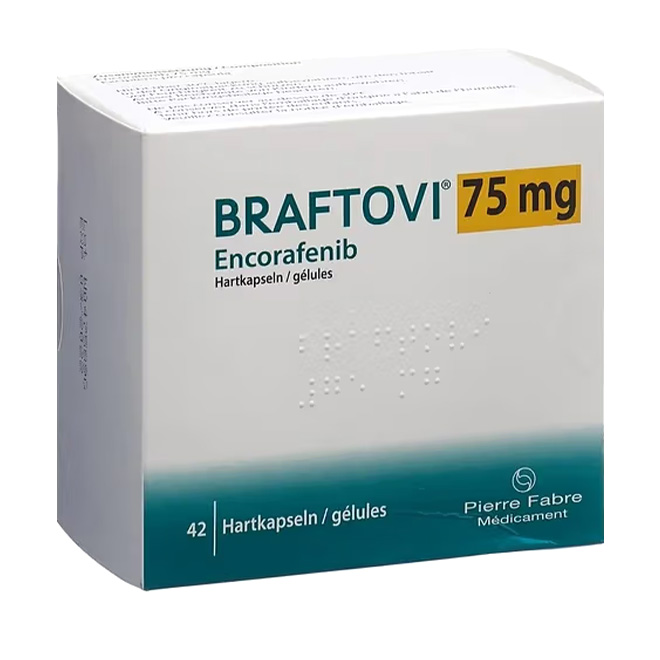
Encorafenib is an oral targeted drug. A reasonable diet during treatment helps ensure medication safety, alleviate adverse reactions, and maintain physical strength.
I. Basic Arrangements for Medication and Eating
1. No Food Restrictions for Medication
Encorafenib can be taken with or without food, allowing flexible timing.
It is recommended to take the medication at a fixed time each day to form a habit and avoid missed doses.
If less than 12 hours remain until the next dose, do not take a missed dose.
2. Management After Vomiting
No additional dose is needed after vomiting; take the next dose as originally scheduled.
With frequent vomiting, drink water in small amounts and multiple times to prevent dehydration.
Persistent vomiting should be reported to the doctor promptly to assess whether the regimen needs adjustment.
3. Water and Electrolytes
Ensure adequate daily water intake, preferably in small amounts and multiple times.
During diarrhea, vomiting, or excessive sweating, appropriately supplement electrolyte-containing fluids.
Avoid replacing daily water intake with sugary drinks or alcohol.
II. Dietary Adjustments for Common Adverse Reactions
1. Nausea and Decreased Appetite
Choose light, easily digestible foods such as porridge, noodles, and steamed eggs.
Eat small meals more frequently and avoid overeating at one time.
Avoid greasy, spicy, and strongly smelling foods.
Drinking a small amount of warm water before meals may reduce nausea on an empty stomach.
2. Diarrhea and Constipation
During diarrhea, focus on a low-fiber, low-fat diet, such as white rice, bananas, and applesauce.
Avoid raw and cold foods, excessive dairy products, and high-fiber coarse grains that may worsen diarrhea.
For constipation, increase water intake and soluble fiber, such as oats and cooked vegetables.
Maintain regular bowel habits and moderate activity to promote bowel movement.
3. Fatigue and Weight Maintenance
Ensure adequate energy intake; do not excessively reduce staple foods.
Consume appropriate high-quality protein, such as fish, eggs, lean meat, and soy products.
When appetite is poor, choose soft foods with high nutrient density or nutritional supplements.
Avoid prolonged fasting and maintain stable body weight.
III. Long-Term Nutrition and Food Safety
1. Balanced Dietary Structure
Base the diet on grains, paired with vegetables, fruits, and high-quality protein.
Limit intake of high-salt, high-sugar, and high-fat processed foods.
Diversify the diet and avoid long-term consumption of a single food.
2. Food Safety
Heat food thoroughly; avoid raw or undercooked food.
Pay attention to the cleanliness of tableware and ingredients to reduce the risk of infection.
Refrigerate leftovers promptly and consume only after thorough reheating.
3. Avoiding Unfavorable Dietary Factors
Avoid alcohol during treatment to reduce the burden on the liver.
Do not take herbal medicines, health supplements, or high-dose vitamins on your own, to avoid interfering with drug metabolism.
When dietary control is needed for other comorbidities, consult a doctor or dietitian.
4. Individualized Adjustment
Adjust the diet flexibly according to the severity of adverse reactions.
Regularly assess body weight and nutritional status, and seek nutritional support when necessary.
If dietary problems persist, communicate with the medical team promptly.

Free Inquiry











