





Gilteritinib is a targeted therapy for FLT3 mutation-positive relapsed or refractory acute myeloid leukemia. Although dietary management cannot replace drug therapy, reasonable adjustments can help reduce adverse reactions and maintain treatment continuity. The following provides dietary recommendations from three aspects.
I. Administration Method and Dietary Coordination
1. Fixed time, with or without food
Gilteritinib is taken once daily; it is recommended to take it at approximately the same time each day. It can be taken with food or on an empty stomach, but the daily pattern should remain relatively consistent, avoiding frequent major changes.
2. Swallow whole, do not split or chew
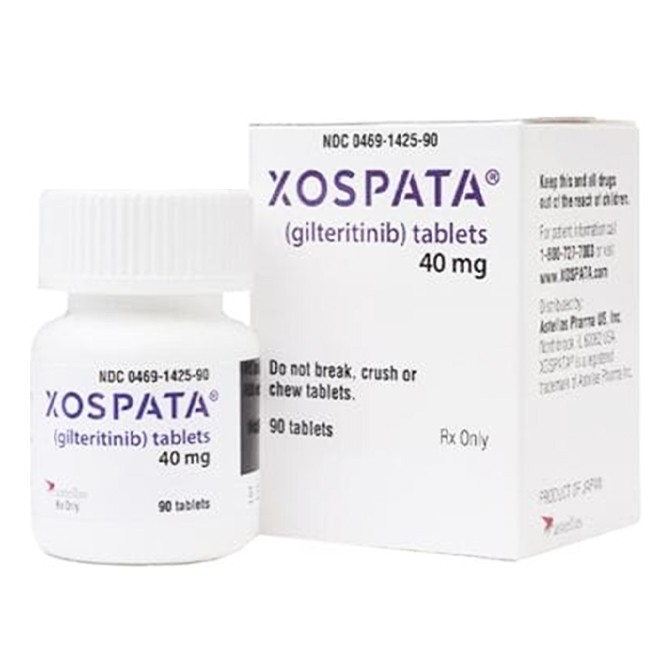
Take with a cup of water; do not split, crush, or chew the tablet, as this may affect drug release and exposure.
3. Special handling of missed doses
If a dose is missed, take it as soon as possible on the same day, at least 12 hours before the next dose; return to the normal schedule the following day, and never take two doses within 12 hours.
4. Avoid concentrated intake of high-fat large meals
A high-fat diet can reduce the peak drug concentration and delay the time to peak. There is no need to strictly avoid fat, but it is better not to regularly consume mainly fried and greasy foods; a light and balanced diet is more reliable.
II. Dietary Adjustments for Common Adverse Reactions
1. Nausea, vomiting, diarrhea
Eat small, frequent meals and choose light, easily digestible foods; during diarrhea, pay attention to replenishing water and electrolytes, and oral rehydration salts may be taken appropriately; avoid cold, raw, spicy, and greasy foods.
2. Oral mucositis
Avoid foods that are too hot, too hard, too sour, or irritating; choose soft, well-cooked foods at warm or cool temperatures, drink water in small amounts and frequently, and maintain oral hygiene.
3. Liver function abnormalities (elevated transaminases)
Avoid alcohol and reduce high-sugar, high-fat, and heavily processed foods; ensure adequate intake of high-quality protein, such as fish, eggs, lean meat, and soy products, and eat more fresh vegetables.
4. Edema, rapid weight gain
Control salt intake and reduce pickled foods, sauces, and processed meats; if shortness of breath or obvious lower limb swelling occurs, inform the doctor promptly rather than relying only on salt restriction.
5. Risk of pancreatitis
Avoid overeating and heavy alcohol consumption; if persistent severe abdominal pain occurs (with or without nausea and vomiting), seek medical attention immediately, and do not self-treat by eating greasy foods to "observe."
III. Drug Interactions and Food Safety
1. Stay away from strong CYP3A modulator "supplements"
Avoid strong CYP3A inducers such as St. John's wort (Hypericum perforatum); avoid drinking large amounts of grapefruit juice or taking supplements containing grapefruit extract, as these may be strong CYP3A inhibitors. Consult a doctor or pharmacist before using any herbal medicine or supplement.
2. Use caution with certain concomitant drugs
Gilteritinib may affect the effects of drugs related to 5-HT2B receptors or sigma receptors (such as escitalopram, fluoxetine, and sertraline); concomitant use requires medical evaluation. As an inhibitor of P-gp, BCRP, and OCT1, dose adjustment of the corresponding substrates may be needed when used together.
3. Pay attention to food safety and prevent infection
Immunity may decrease during treatment; avoid raw or undercooked foods (sashimi, runny eggs, undercooked meat), wash and peel fruit, do not drink untreated water; thoroughly reheat leftovers to reduce the risk of intestinal infection.
4. Pay attention to electrolytes
Low potassium and low magnesium can increase the risk of QT prolongation. In daily life, potassium- and magnesium-rich foods such as bananas, oranges, green leafy vegetables, and nuts may be consumed in moderation, but patients with renal impairment should follow medical advice and avoid blindly supplementing potassium.

Free Inquiry











