





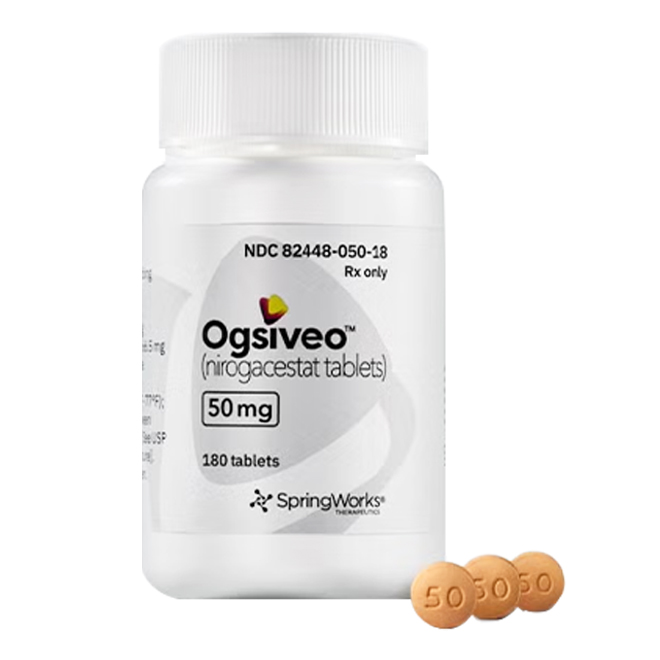
During treatment with Ogsiveo, dietary management should address drug absorption, prevention and control of adverse reactions, and nutritional support. The following recommendations cover administration methods, dietary restrictions, and symptom management.
I. Basic Arrangements for Dosing and Eating
1. Dosing Time
Ogsiveo may be taken with or without food; eating does not affect the overall dosing schedule.
It is recommended to fix morning and evening dosing times to maintain stable blood drug concentrations.
If a dose is missed or vomited, take the next dose as originally scheduled; do not double the dose.
2. Swallowing Method
Swallow the tablet whole; do not split, crush, or chew it.
Take with sufficient warm water to avoid dry swallowing and esophageal irritation.
3. Spacing from Fruits
Avoid taking with grapefruit, Seville oranges, starfruit, or their juices.
These fruits can inhibit CYP3A, increase drug exposure, and raise the risk of adverse reactions.
II. Dietary and Drug Combinations to Avoid
1. Avoid Foods That Are Strong or Moderate CYP3A Inhibitors
Grapefruit juice, Seville orange juice, and starfruit juice should be avoided throughout treatment.
Do not drink mixed juices or fruit teas made from these fruits.
2. Use Caution with Acid-Reducing Foods and Drugs
Ogsiveo has poor solubility at pH ≥ 6, and acid-reducing drugs can decrease its absorption.
Avoid long-term self-use of proton pump inhibitors or H2-receptor antagonists.
If antacids are necessary, stagger them from dosing: take them 2 hours before or 2 hours after Ogsiveo.
3. Avoid Supplements That Are Strong or Moderate CYP3A Inducers
Avoid herbal supplements such as St. John's wort, which can induce CYP3A and reduce drug efficacy.
Inform the doctor or pharmacist before using any vitamins or herbal medicines.
III. Dietary Adjustments for Common Adverse Reactions
1. Dietary Management of Diarrhea
Eat small, frequent meals and choose light, easily digestible foods.
Low-residue foods such as rice, noodles, bananas, and applesauce may be selected.
Avoid spicy, greasy, raw, cold, and high-fiber foods.
Pay attention to fluid and electrolyte replacement; oral rehydration salts may be used.
If diarrhea persists without relief, contact the doctor promptly for dose adjustment.
2. Nausea and Oral Mucositis
Avoid foods with strong odors, or that are too hot or too acidic.
Choose lukewarm, soft foods such as porridge, steamed eggs, and yogurt.
Maintain oral hygiene, rinse the mouth after eating, and avoid irritating mouthwashes.
3. Dietary Support for Electrolyte Abnormalities
The risk of hypophosphatemia is relatively high; moderate intake of phosphorus-containing foods such as dairy products, eggs, and lean meat is appropriate.
For hypokalemia, appropriately supplement potassium-rich foods such as bananas, potatoes, and spinach.
Whether supplements are needed should be based on blood test results and decided by the doctor; do not take large doses on your own.
4. Diet Related to Rash and Skin Care
Maintain a balanced diet with adequate high-quality protein and fresh fruits and vegetables.
Avoid excessive alcohol consumption to reduce skin irritation and liver burden.
5. Diet Under Liver Function Monitoring
Avoid high-fat and high-sugar diets and control body weight.
Do not drink alcohol or drink only minimally to reduce the liver's metabolic burden.
Have liver enzymes checked regularly and seek medical attention promptly if abnormalities occur.
IV. General Dietary Principles
1. Balance and Regularity
Base the diet on grains, high-quality protein, vegetables, and fruits, and eat three regular meals.
Do not blindly take supplements during treatment or trust unverified remedies.
2. Individualized Adjustment
Flexibly adjust food texture and meal frequency according to symptoms such as diarrhea, nausea, and fatigue.
When appetite declines, choose energy-dense foods and consult a dietitian if necessary.

Free Inquiry











