





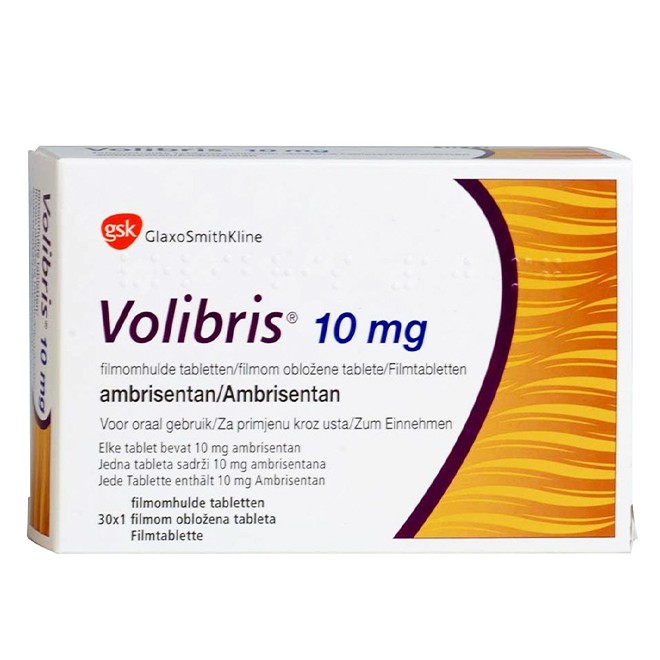
Anlishengtan is an endothelin receptor antagonist used to treat pulmonary arterial hypertension. Understanding its adverse reactions and medication principles for special populations is crucial for ensuring medication safety.
1、 Main side effects and management
1. Peripheral edema and fluid retention
Peripheral edema is a common reaction to such drugs and may also be related to pulmonary arterial hypertension itself. If there is abnormal weight gain, lower limb swelling, or worsening breathing difficulties during medication, it is necessary to seek medical evaluation in a timely manner, and if necessary, use diuretics or adjust the treatment plan. The incidence of edema is higher when combined with tadalafil, and monitoring needs to be strengthened.
2. Decreased hemoglobin
During the initial weeks of medication, there may be a decrease in hemoglobin levels, and a small number of patients may develop anemia that requires blood transfusion. It is recommended to regularly test hemoglobin before starting treatment, one month after medication, and thereafter. If clinically significant anemia occurs and other causes are ruled out, drug discontinuation should be considered.
3. Decreased sperm count
Endothelial receptor antagonists may affect sperm production, leading to a decrease in sperm count. For male patients with fertility needs, potential risks should be informed before medication and reproductive medicine experts should be consulted if necessary.
4. Elevated liver enzymes
Although the hepatotoxicity risk of Anlishengtan is relatively low, caution should still be exercised. If symptoms such as decreased appetite, nausea, abdominal pain, jaundice, or dark urine appear, liver function should be checked immediately. When the transaminase is significantly elevated (more than 5 times the normal upper limit) or accompanied by an increase in bilirubin, the medication should be stopped and the cause identified.
5. Other adverse reactions
Common symptoms include nasal congestion, sinusitis, facial flushing, etc., which are mostly mild to moderate, and nasal congestion is dose-dependent. In addition, there are post marketing reports that fluid retention induces heart failure and allergic reactions (such as vascular edema and rash).
2、 Medication for special populations
1. Pregnant and childbearing women
Anlishengtan has clear embryonic fetal toxicity, and animal experiments have shown that it can cause deformities in the jawbone, palate, cardiovascular system, thymus, and thyroid gland. Pregnant women are prohibited from using it. Women of childbearing age must rule out pregnancy before treatment, undergo monthly pregnancy testing during treatment and within one month after discontinuing medication, and take acceptable contraceptive measures. This drug can only be obtained through the Risk Assessment and Mitigation Strategy (REMS) program, and all female patients must register.
2. Breastfeeding women
It is not yet clear whether anlishentan is secreted into breast milk. Given the potential serious adverse reactions, the importance of the medication to the mother should be weighed before deciding to stop breastfeeding or medication.
3. Liver dysfunction
Not recommended for patients with moderate to severe liver function impairment. Mild liver injury patients may have increased exposure and should be cautious. During medication, if liver damage occurs, the cause should be thoroughly investigated and medication should be stopped if necessary.
4. Renal insufficiency
Mild to moderate renal dysfunction does not require dose adjustment. The impact of severe renal dysfunction and hemodialysis on pharmacokinetics has not been studied and lacks data support.
5. Elderly patients
The incidence of peripheral edema is higher in patients over 65 years old, and the improvement in walking distance may be smaller. When using, edema monitoring should be strengthened, and the benefits and risks should be comprehensively evaluated.
6. Child patients
The safety and effectiveness have not been established yet, and it is not recommended for use in children.
3、 Drug Interactions and Monitoring Points
1. Cyclosporine
Cyclosporine can increase the exposure of anlisentan by about 2 times, and the dose of anlisentan should be limited to 5mg once daily when used in combination.
2. Other drugs
When used in combination with tadalafil, sildenafil, ritonavir, ketoconazole, etc., there is no need to adjust the dosage, but edema is more common when used in combination with tadalafil and should be observed carefully.
3. Monitoring recommendations
Hemoglobin, liver function, and pregnancy status should be monitored before and during treatment; Pay attention to signs of fluid retention; Strictly implement REMS requirements for women of childbearing age; Male patients are informed about the potential impact on fertility. Patients are not allowed to break, crush, or chew the pills on their own, and should swallow them whole.

Free Inquiry











