





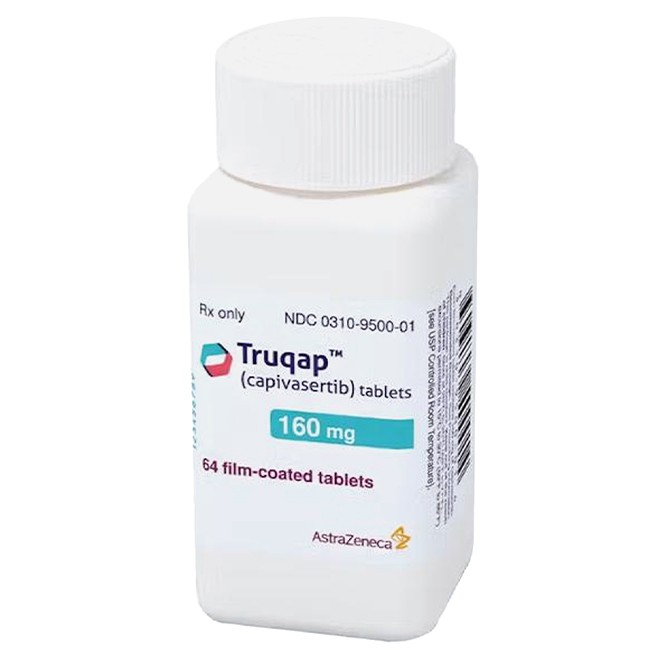
Capivasertib is used for HR-positive, HER2-negative advanced breast cancer and PTEN-deficient metastatic prostate cancer, often in combination with fulvestrant or abiraterone. During treatment, dietary management directly affects blood glucose stability, gastrointestinal tolerance, and medication safety, with three key areas to focus on.
I. Blood Glucose Management: Diet as the First Line of Defense
1. Eat Regular Meals to Avoid Major Blood Glucose Fluctuations
Capivasertib can cause severe hyperglycemia and even ketoacidosis. Eat three meals at regular times and in fixed amounts each day; do not skip meals or overeat. Reduce intake of refined sugars and sugary drinks, and replace part of staple foods with low-glycemic-index foods such as whole grains and mixed beans.
2. Control Total Calorie Intake and Choose Low-Glycemic Foods
Choose more leafy green vegetables, high-quality protein (fish, poultry, soy products), and healthy fats; limit desserts, fruit juice, white rice, and white flour. Patients with diabetes should intensify glucose-lowering treatment under medical guidance and closely monitor fasting blood glucose.
3. Seek Medical Attention Promptly for Symptoms of Hyperglycemia
If symptoms such as unusual thirst, frequent urination, blurred vision, or fatigue occur, contact a doctor immediately; do not rely on dietary adjustment alone.
II. Gastrointestinal Protection: Preventing Diarrhea and Oral Discomfort
1. Drink Enough Fluids to Prevent Dehydration
Diarrhea is a common adverse reaction. Proactively increase oral fluid intake daily; at the first sign of diarrhea, start drinking warm water, light salt water, or oral rehydration salts. Avoid coffee, strong tea, and alcohol, which can worsen dehydration.
2. Eat Small, Frequent Meals and Choose Easily Digestible Foods
During diarrhea, focus on mild foods such as congee, noodles, bananas, and applesauce; temporarily avoid greasy, spicy, high-fiber foods, and dairy products. Use antidiarrheal medication as prescribed as early as possible; do not endure diarrhea.
3. Oral Care and Dietary Adjustments
The medication can cause stomatitis. Maintain oral hygiene and eat warm, cool, soft foods; avoid overheated, overly acidic, or rough foods that irritate the mucosa; use a mouth rinse recommended by a doctor when necessary.
III. Drug Interactions and Daily Precautions
1. Strictly Avoid Grapefruit and Its Products
Grapefruit inhibits the CYP3A enzyme, increases capivasertib blood concentrations, and raises the risk of adverse reactions. During treatment, do not drink grapefruit juice or eat grapefruit; check ingredient labels when purchasing juice.
2. Use Supplements and Herbal Medicines with Caution
Herbs such as St. John's wort can induce the CYP3A enzyme and reduce drug efficacy, and should be avoided. Inform doctors and pharmacists before using any vitamins, Chinese herbal medicines, or over-the-counter drugs.
3. Consider Other Drug Requirements When Using Combination Therapy
When used with fulvestrant or abiraterone, follow their dietary restrictions as well; abiraterone must be taken on an empty stomach. Consult a doctor about specific timing to avoid conflicts with capivasertib dosing.
4. Abstain from Alcohol and Maintain a Regular Lifestyle
Alcohol increases liver burden and interferes with blood glucose control; abstaining from alcohol is recommended during treatment. A regular schedule and moderate activity help improve overall tolerance.

Free Inquiry











