





Alpelisib should be taken with food and may cause reactions such as hyperglycemia and diarrhea. A reasonable diet is an important part of supporting treatment and reducing discomfort. The following practical suggestions are provided from three aspects.
I. Dietary Strategies for Stabilizing Blood Sugar
1. Eat regularly and have small, frequent meals
Eat three meals at regular times each day, and add 1–2 small snacks if necessary. Avoid prolonged fasting or overeating, which helps keep blood sugar stable.
2. Limit refined sugars and high-glycemic foods
Reduce sugary drinks, pastries, white rice, white flour, and other refined carbohydrates. Partially replace staple foods with low-glycemic choices such as whole grains, beans, and oats.
3. Increase dietary fiber
Eat more non-starchy vegetables, beans, and a moderate amount of low-sugar fruit to slow sugar absorption and help control post-meal blood sugar.
4. Balance protein and fat appropriately
Include high-quality protein such as lean meat, fish, eggs, and soy products at each meal, and choose healthy oils. Avoid fried foods to reduce blood sugar fluctuations.
5. Monitor and keep records
Monitor fasting blood sugar as advised by your doctor, record diet and blood sugar changes, and communicate with your doctor or dietitian for timely adjustments.
II. Dietary Adjustments to Reduce Gastrointestinal Discomfort
1. Take the medication with food and avoid an empty stomach
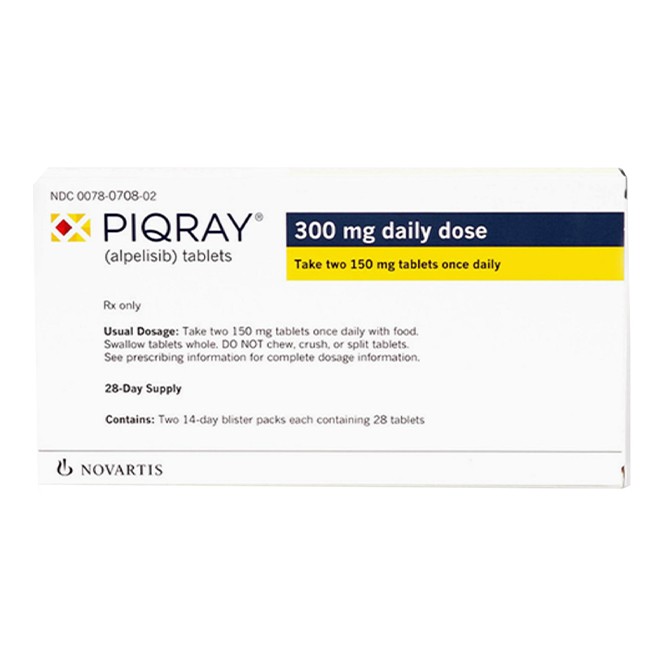
Alpelisib should be taken with food. Food can reduce gastrointestinal irritation from the drug and also aid absorption.
2. Replenish water and electrolytes during diarrhea
If diarrhea occurs, increase oral fluid intake, such as light salt water or clear soup. Use oral rehydration salts as advised by your doctor if necessary to prevent dehydration.
3. Choose easily digestible foods
During diarrhea or nausea, focus on mild foods such as congee, noodles, steamed eggs, and bananas. Eat less greasy, spicy, raw, cold food, and high-fiber coarse grains.
4. Eat small, frequent meals and chew slowly
Reduce the burden on the gastrointestinal tract and relieve discomfort such as nausea and bloating.
5. Avoid alcohol and irritating drinks
Alcohol, strong coffee, and strong tea may worsen gastrointestinal discomfort. Minimize their use during treatment.
III. Daily Food Safety and Nutritional Support
1. Ensure adequate energy and protein
The body consumes more energy during treatment, so adequate calories and high-quality protein should be consumed to prevent weight loss and malnutrition.
2. Pay attention to food safety
Use fresh ingredients, cook food thoroughly, keep raw and cooked foods separate, and avoid raw seafood and unpasteurized dairy products to reduce the risk of infection.
3. Drink water appropriately
In addition to fluid replacement during diarrhea, drink water in small amounts multiple times a day to maintain metabolism and kidney health.
4. Use supplements and herbal medicines with caution
Some supplements may affect drug metabolism. Consult your doctor or pharmacist before taking them.
5. Individualized adjustment
Adjust the dietary plan under the guidance of a doctor and dietitian according to blood sugar, weight, gastrointestinal reactions, and liver and kidney function.

Free Inquiry











