





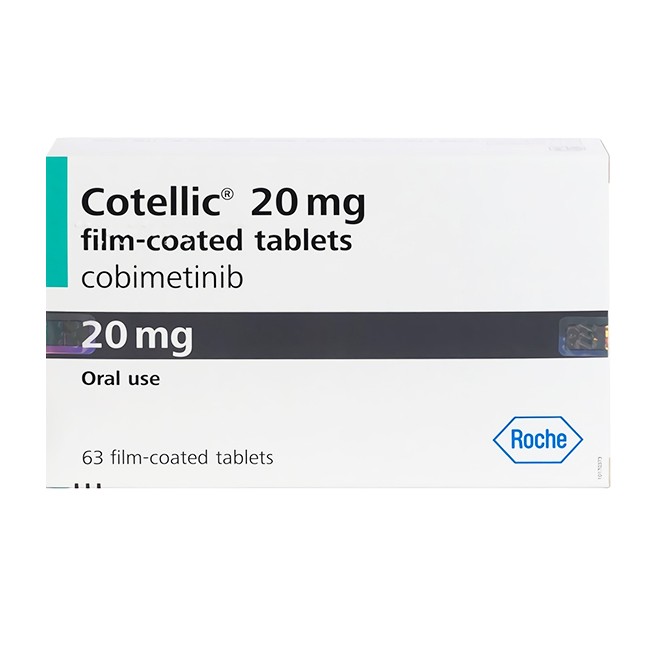
Cobimetinib is an oral MEK inhibitor used for BRAF-mutant melanoma and histiocytic neoplasms. It has no absolute contraindications, but attention should be paid to drug interactions and multisystem adverse reactions, which should be identified and managed promptly.
I. Contraindications and Medication Restrictions
1.No Clear Absolute Contraindications
The prescribing information states that cobimetinib has no contraindications, but it is not suitable for everyone. Underlying diseases, concomitant medications, and reproductive status should be assessed before treatment.
2.Contraindicated With Strong or Moderate CYP3A Inhibitors
Do not take with strong or moderate CYP3A inhibitors, as this significantly increases cobimetinib exposure and toxicity. If short-term (within 14 days) use of a moderate inhibitor is unavoidable, the dose should be reduced to 20 mg, and the original dose resumed after discontinuation.
3.Contraindicated With Strong or Moderate CYP3A Inducers
Inducers such as carbamazepine, phenytoin, rifampin, and St. John's wort can significantly reduce drug efficacy and should be avoided.
4.Contraindicated During Pregnancy and Lactation
The drug has embryo-fetal toxicity and can cause fetal harm during pregnancy. Breastfeeding must not occur during lactation and for 2 weeks after the last dose.
II. Common Adverse Reactions
1.Gastrointestinal Reactions
Diarrhea, nausea, and vomiting are the most common. Hydrate with small, frequent amounts of water, use antidiarrheal drugs if necessary, and seek medical attention if symptoms persist.
2.Skin Reactions
Photosensitivity is prominent, presenting as sunburn-like rash. Avoid sun exposure, wear protective clothing, and use broad-spectrum sunscreen with SPF≥30 and lip balm. Acneiform dermatitis, rash, dry skin, and pruritus may also occur.
3.Systemic Symptoms
Fever, fatigue, chills, and edema are common, and some patients experience decreased appetite.
III. Serious Adverse Reactions and Monitoring
1.New Primary Malignancies
Cutaneous squamous cell carcinoma, basal cell carcinoma, and second primary melanoma may occur. Skin examinations should be performed before treatment, every 2 months during treatment, and for 6 months after discontinuation.
2.Hemorrhage
Major hemorrhage may occur, including intracranial, gastrointestinal, and reproductive system bleeding. Report any abnormal bleeding immediately.
3.Cardiomyopathy
May cause decreased left ventricular ejection fraction. Assess cardiac function before treatment, 1 month after starting, and every 3 months thereafter; manage symptomatic patients promptly.
4.Severe Skin Reactions
Severe rash may occur and requires interruption, dose reduction, or discontinuation.
5.Serous Retinopathy and Retinal Vein Occlusion
Presents as blurred vision or visual field abnormalities. Regular ophthalmologic examinations should be performed, and any visual changes require immediate medical attention; retinal vein occlusion requires permanent discontinuation.
6.Hepatotoxicity
May cause elevated transaminases and bilirubin. Monitor liver function before treatment and monthly during treatment.
7.Rhabdomyolysis
May cause elevated creatine kinase, myalgia, and muscle weakness. Monitor creatine kinase regularly and seek medical attention promptly if muscle symptoms occur.
8.Embryo-Fetal Toxicity
Women of reproductive potential must use effective contraception during treatment and for 2 weeks after the last dose.
Summary:
Cobimetinib has no absolute contraindications, but strong CYP3A inhibitors and inducers must be avoided, and it is contraindicated during pregnancy and lactation. During treatment, focus on monitoring the skin, heart, eyes, liver, and muscles, and promptly reduce, interrupt, or discontinue the drug if serious reactions occur.

Free Inquiry











