





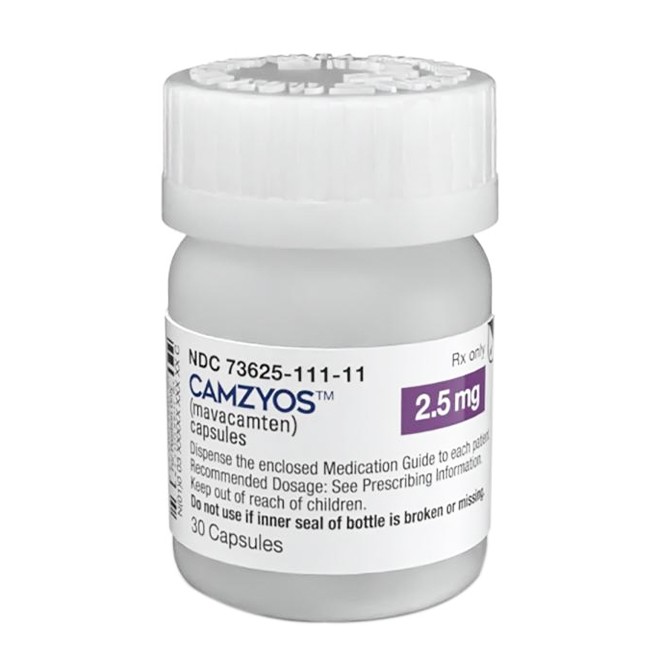
Mavacamten improves symptoms of obstructive hypertrophic cardiomyopathy by inhibiting excessive myocardial contraction, but the risk of heart failure requires vigilance during treatment. A reasonable diet can reduce cardiac workload and stabilize drug efficacy, making it an important part of daily patient management.
I. Dietary Principles for Controlling Cardiac Workload
1. Control Sodium Intake
Excessive sodium intake aggravates water and sodium retention and increases cardiac volume load. It is recommended to keep daily salt intake at a low level and avoid pickled foods, processed meats, and high-salt condiments to reduce the burden on the heart.
2. Limit Fluid Intake
Some patients need to moderately limit total fluid intake according to their cardiac function status and avoid drinking large amounts of water in a short period to prevent a sudden increase in volume load and triggering heart failure symptoms.
3. Eat Small, Frequent Meals
Avoid overeating at a single meal, as blood concentrating in the digestive system after eating can increase cardiac burden. Small, frequent meals are recommended, and dinner should not be too late or too heavy.
4. Control Body Weight
Being overweight increases cardiac work. Maintain a reasonable weight through a balanced diet and moderate activity, but exercise intensity must follow medical advice and vigorous exercise should be avoided.
II. Dietary Factors to Avoid Drug Interactions
1. Use Caution with Grapefruit and Related Fruits
Grapefruit and its juice can inhibit CYP3A4 enzyme, possibly increasing mavacamten plasma concentrations and the risk of heart failure. Grapefruit and related products should be avoided during treatment.
2. Be Aware of Herbal Medicines and Supplements
Some herbs and supplements can affect CYP450 enzyme activity or contain negative inotropic components and may interfere with drug efficacy. A doctor should be consulted before taking any supplement; they should not be added on one's own.
3. Moderate Caffeine
Caffeine-containing drinks such as strong tea and coffee may cause palpitations and increased heart rate, which is unfavorable for those at risk of arrhythmia; moderate intake or avoidance is recommended.
4. Limit Alcohol
Alcohol can affect cardiac function and may have additive negative inotropic effects with the drug. Limiting or abstaining from alcohol is recommended, especially when heart failure symptoms are present.
III. Nutritional Combinations Supporting Cardiac Function
1. Adequate High-Quality Protein
Moderate intake of high-quality protein such as fish, lean meat, eggs, and soy products helps maintain myocardial nutrition, but patients with renal dysfunction need adjustment according to medical advice.
2. Increase Vegetables, Fruits, and Dietary Fiber
Fresh vegetables and fruits are rich in potassium, magnesium, and dietary fiber, helping maintain electrolyte balance and intestinal health. However, patients taking drugs that affect serum potassium should choose high-potassium foods under medical guidance.
3. Control Saturated Fat and Sugar
Reducing intake of fried foods, fatty meat, and sugary drinks helps control blood lipids and weight and lowers overall cardiovascular risk.
4. Regular Meals and Symptom Recording
Keep regular meals and avoid binge eating. If shortness of breath, palpitations, worsened lower limb edema, or other manifestations occur after eating, record them promptly and inform the doctor so that cardiac function and medication adjustment can be evaluated.

Free Inquiry











