





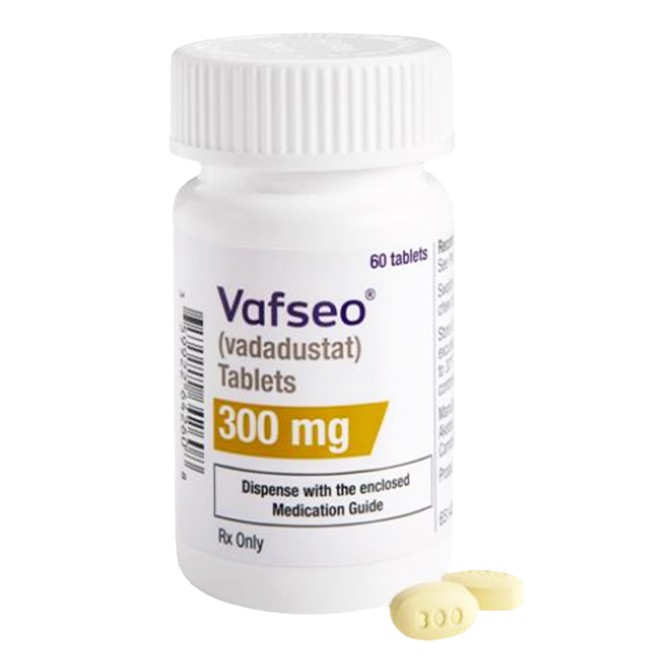
Vadadustat is an oral treatment for anemia of chronic kidney disease, and diet and medication timing directly affect efficacy and safety, requiring special attention.
1. Basic Relationship Between Medication and Food
1. May Be Taken With or Without Food
Vadadustat may be taken with or without food, and a high-fat meal has no clinically significant effect on drug absorption.
Patients do not need to adjust medication timing based on food intake and may take it at a fixed time according to daily habits.
It is recommended to take the medication at approximately the same time each day to maintain stable blood drug concentrations.
2. Tablets Must Be Swallowed Whole
Tablets should be swallowed whole and must not be cut, crushed, or chewed.
They may be taken with warm water, avoiding changes in absorption caused by breaking the tablet.
2. Dosing Interval With Iron Supplements and Iron-Containing Products
1. Iron Supplements and Iron-Containing Products Must Be Staggered
Oral iron supplements, iron-containing products, and iron-containing phosphate binders reduce vadadustat exposure and may weaken efficacy.
Vadadustat should be taken at least 1 hour before the above products.
Common iron-containing products include iron supplements and iron-containing phosphate binders, and patients should proactively inform their doctor of the types they are using.
2. Interval Requirements for Non-Iron-Containing Phosphate Binders
Non-iron-containing phosphate binders also affect vadadustat absorption.
Vadadustat should be taken at least 1 hour before or at least 2 hours after non-iron-containing phosphate binders.
Common non-iron-containing phosphate binders include calcium acetate, sevelamer carbonate, and others.
3. Overall Management of Phosphate Binders
Dialysis patients often need phosphate binders to control serum phosphorus, and these must be taken separately from vadadustat.
Patients are advised to establish a fixed daily medication order to avoid missed doses or taking medications at the same time.
If unsure whether a product contains iron, consult a doctor or pharmacist.
3. Other Dietary and Medication-Related Precautions
1. Alcohol and Smoking
Patients with a history of gastrointestinal erosion, peptic ulcer, smoking, or alcohol use have a higher risk of gastrointestinal erosion.
Smoking cessation and alcohol restriction are recommended to reduce the risk of gastric and esophageal mucosal injury.
If abdominal pain, black stools, or vomiting blood occurs, seek medical attention immediately.
2. Dietary Reminders for Concomitant Medications
Vadadustat may increase exposure to some statins, and adverse reactions should be monitored during concomitant use.
When used with simvastatin, the daily dose should not exceed 20 mg; when used with rosuvastatin, the daily dose should not exceed 5 mg.
During statin use, avoid drinking large amounts of grapefruit juice to prevent further increases in drug concentrations.
3. Blood Pressure and Fluid Management
Vadadustat may worsen hypertension and may even cause hypertensive crisis.
Patients should monitor blood pressure regularly and take antihypertensive medications as prescribed.
Dialysis patients need to control fluid and sodium intake to avoid blood pressure fluctuations.
4. Nutrition and Anemia Management
Other causes of anemia, such as vitamin deficiency and bleeding, should be corrected before treatment.
Iron status should be assessed during treatment, and iron supplements should be given when necessary.
Ensure adequate intake of high-quality protein and vitamins, but individualized adjustment is needed in accordance with renal diet requirements.

Free Inquiry











