





Vadadustat is used for anemia in adults with chronic kidney disease who have been on dialysis for at least three months, and its use requires vigilance for risks such as thrombosis, liver injury, and increased blood pressure. The following is explained from three aspects: warnings, monitoring, and contraindications.
I. Core Safety Warnings
1.Thrombosis and Cardiovascular Risk
It may increase the risk of death, myocardial infarction, stroke, venous thrombosis, and vascular access thrombosis.
If hemoglobin rises too quickly (such as an increase of more than 1 g/dL within 2 weeks) or the target exceeds 11 g/dL, the risk is further amplified.
The lowest dose that reduces the need for red blood cell transfusion should be used, without pursuing a higher hemoglobin level.
2.Hepatotoxicity
It may cause hepatocellular injury, mostly occurring within the first 3 months of medication.
If ALT or AST persistently exceeds 3 times the upper limit of normal, or is accompanied by bilirubin exceeding 2 times the upper limit of normal, the drug should be discontinued.
It is not recommended for patients with cirrhosis or active acute liver disease.
3.Worsening Blood Pressure
It may lead to worsening hypertension, and even hypertensive crisis.
It is contraindicated in patients with uncontrolled hypertension.
Blood pressure should be monitored regularly during medication, and antihypertensive treatment should be adjusted when necessary.
4.Seizures and Gastrointestinal Erosion
Seizures may occur, and attention should be paid to new-onset seizures or aura symptoms.
It may cause gastric or esophageal erosion and gastrointestinal bleeding, with higher risk in those with a related history or who smoke or drink alcohol.
II. Medication Monitoring and Dose Adjustment
1.Pre-Treatment Assessment
Correct and rule out other causes of anemia, and assess iron stores.
When ferritin is below 100 mg/L or transferrin saturation is below 20%, iron supplementation should be given.
Test ALT, AST, and bilirubin as baseline values.
2.Monitoring During Treatment
Hemoglobin: monitor every 2 weeks after initiation or dose adjustment, and at least once monthly after stabilization.
Liver function: test monthly for the first 6 months after initiation, then recheck as clinically needed.
Blood pressure and seizure symptoms: assess regularly and manage abnormalities promptly.
3.Principles of Dose Adjustment
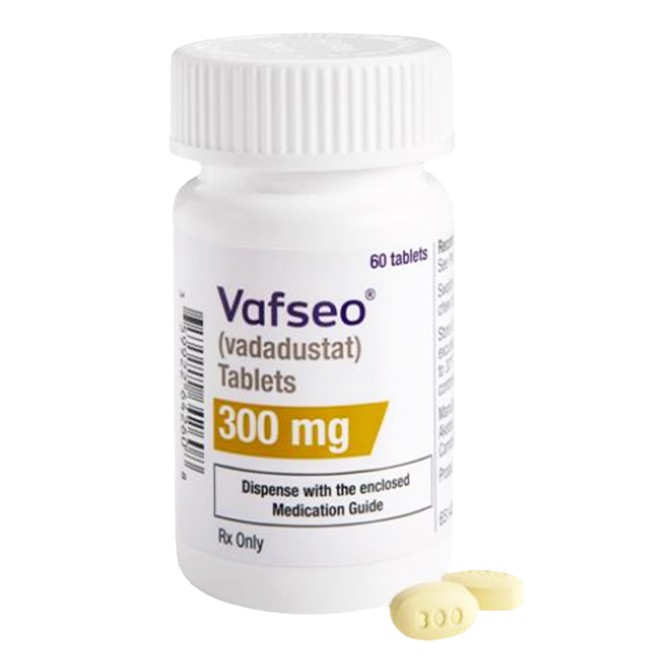
The starting dose is 300 mg once daily, which may be taken with food or on an empty stomach.
The dose may be increased only after at least 4 weeks, while dose reduction may be more frequent.
The increment or decrement unit is 150 mg, the target hemoglobin is 10–11 g/dL, and the dose range is 150–600 mg.
If hemoglobin exceeds 11 g/dL, the drug should be paused, and after it falls to ≤ 11 g/dL, resume at a dose reduced by 150 mg.
If there is still no clinically meaningful increase in hemoglobin after 24 weeks of treatment, the drug should be discontinued and the cause investigated.
4.Drug Interactions
Oral iron supplements, iron-containing products, and iron-containing phosphate binders: vadadustat should be taken at least 1 hour earlier.
Non-iron-containing phosphate binders: take at least 1 hour before or 2 hours after.
When used concomitantly with BCRP substrates, statins, or OAT3 substrates, related adverse reactions should be monitored and the dose adjusted as appropriate.
III. Contraindications and Special Populations
1.Contraindicated Populations
Patients allergic to vadadustat or its components.
Patients with uncontrolled hypertension.
2.Populations Not Recommended or Requiring Caution
Not applicable to patients with anemia of chronic kidney disease who are not on dialysis.
Not recommended for patients with active malignancy.
Not recommended for patients with cirrhosis or active acute liver disease.
Avoid use in patients with recent myocardial infarction, cerebrovascular events, or acute coronary syndrome.
3.Pregnancy and Lactation
It may harm the fetus during pregnancy, and should be used only when the benefits outweigh the risks.
It is not recommended during lactation, and breastfeeding should not occur within 2 days after discontinuation.
4.Pediatric and Elderly
Safety and effectiveness in pediatric patients have not been established.
Elderly patients do not need dose adjustment based on age alone, but overall condition should be monitored.
5.Overdose Management
Overdose can cause excessive elevation of hemoglobin, and the dose should be reduced or the drug discontinued, with management based on clinical needs.
Dialysis can remove about 16% of the drug, and there is no specific antidote.

Free Inquiry











