





The use of eltrombopag in special populations requires individualized adjustment. This article reviews key medication points around factors such as hepatic and renal function, age, and ethnicity.
I. Dose Adjustment for Hepatic Function and Ethnic Populations
1. Patients with Hepatic Impairment
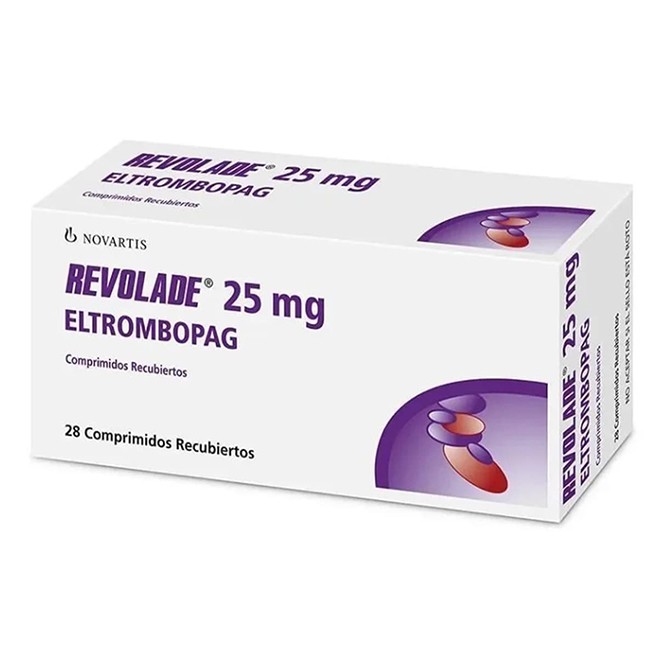
Eltrombopag is mainly metabolized in the liver. For patients with immune thrombocytopenia (ITP) who have mild, moderate, or severe hepatic impairment (Child-Pugh class A, B, or C), the initial dose should be reduced to 25 mg once daily. If the patient is also of East-/Southeast-Asian ancestry, the initial dose may be considered for further reduction to 12.5 mg once daily. Liver function should be closely monitored during treatment.
2. East-/Southeast-Asian Populations
This population has higher drug exposure. For patients with ITP or severe aplastic anemia (SAA), the initial dose should be halved. For example, the starting dose for adult ITP patients is 25 mg once daily; in first-line treatment of SAA, the starting dose for patients aged 12 years and older is 75 mg once daily. Patients with chronic hepatitis C do not require dose adjustment based on ethnicity.
3. Liver Function Monitoring Requirements
All patients should have serum ALT, AST, and bilirubin tested regularly before and during treatment. If abnormalities occur, monitoring frequency should be increased, and treatment should be interrupted or discontinued when necessary.
II. Key Medication Points for Pediatric and Elderly Patients
1. Pediatric Patients
Eltrombopag has been approved for pediatric patients with ITP aged 1 year and older, and for pediatric patients with treatment-naive SAA aged 2 years and older (in combination with immunosuppressive therapy). The starting dose for pediatric ITP patients varies by age: 25 mg once daily for ages 1 to 5 years; 50 mg once daily for ages 6 years and older. Pediatric SAA patients are dosed by weight or age. For East-/Southeast-Asian pediatric patients, the starting dose should also be halved. Platelet counts and liver function should be monitored during treatment.
2. Elderly Patients
Existing studies have not shown overall differences in safety or efficacy between elderly and younger patients. However, elderly patients often have reduced hepatic and renal function or concomitant medications. Medication should be comprehensively evaluated, with dose adjustment and enhanced monitoring when necessary.
3. Common Monitoring Requirements
Whether pediatric or elderly patients, regular monitoring of complete blood counts (including platelets), liver function, and ocular conditions is required during treatment to promptly adjust the dose or manage adverse reactions.
III. Pregnancy, Lactation, and Patients with Renal Impairment
1. Use During Pregnancy
Data on the use of eltrombopag during pregnancy are limited and insufficient to assess the risk of major birth defects or miscarriage associated with the drug. Animal studies show that maternal toxic doses can cause embryolethality and reduced fetal weight. Women of reproductive potential should use effective contraception during treatment and for at least 7 days after stopping treatment.
2. Use During Lactation
Whether eltrombopag is secreted into human milk is unclear, but animal studies suggest possible transfer through breast milk. Due to the potential for serious adverse reactions in breastfed infants, breastfeeding is not recommended during treatment.
3. Patients with Renal Impairment
No initial dose adjustment is needed for patients with mild to moderate renal impairment. Drug exposure is reduced in patients with severe renal impairment, but routine dose adjustment is not required. Because the effect of dialysis on eltrombopag clearance is unclear, dialysis patients should be treated with caution, and platelet counts should be closely monitored.
4. Comprehensive Management Principles
Medication for special populations should follow the principles of "start with a low dose, adjust slowly, and monitor closely." Before treatment, hepatic and renal function, pregnancy status, and concomitant medications should be comprehensively evaluated. During treatment, relevant indicators should be regularly rechecked to ensure safe and effective medication use.

Free Inquiry











