





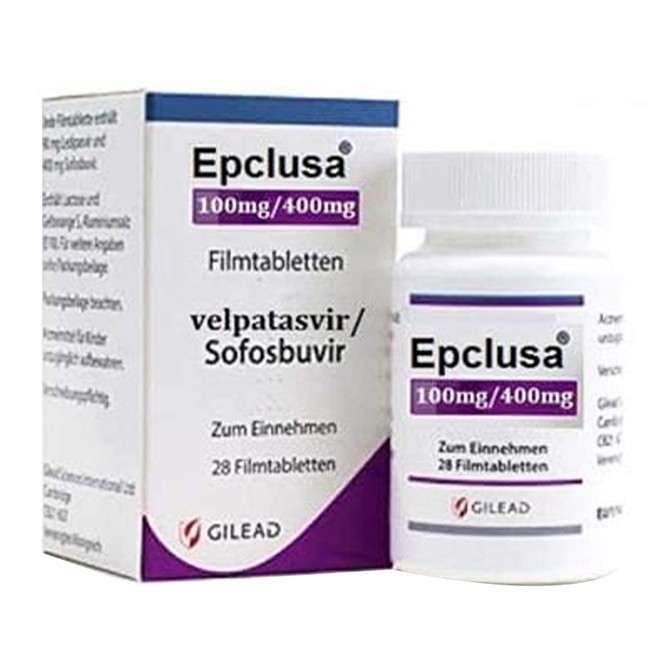
During treatment with Epclusa, there are no special dietary restrictions, but a reasonable diet can help reduce discomfort and ensure efficacy. The following explains from three aspects.
I. Administration and Dietary Coordination
1. Can be taken with or without food
Epclusa is not affected by food and can be taken with or without food. If stomach discomfort occurs after taking it on an empty stomach, it can be changed to be taken with food.
2. Take at a fixed time
Taking the medication at the same time every day helps maintain stable blood drug concentrations. It is recommended to set an alarm or link it to daily activities such as breakfast.
3. Avoid missing doses
Missing a dose may reduce efficacy. If you forget to take it, take it as soon as possible; if it is almost time for the next dose, skip this dose and do not take two tablets at once.
II. Foods and Drinks to Note
1. Avoid grapefruit and grapefruit juice
Grapefruit may interfere with liver metabolic enzymes and affect drug concentrations. It should be avoided during treatment.
2. Use St. John's wort with caution
St. John's wort (Hypericum perforatum) can reduce the blood concentration of Epclusa and lead to decreased efficacy. Herbal medicines or health products containing this ingredient should be avoided.
3. Control alcohol intake
Alcohol increases the burden on the liver. It is best to stop drinking during treatment; if complete abstinence is not possible, strictly limit intake and consult a doctor.
4. Drink less strong coffee and strong tea
Some patients may experience insomnia or palpitations after taking the medication, and excessive caffeine can worsen these discomforts. It is recommended to drink in moderation and reduce intake after the afternoon.
5. Avoid high-fat overeating
Although a high-fat diet does not directly affect drug efficacy, it may worsen gastrointestinal reactions such as nausea and bloating. It is recommended to eat a light diet and eat small meals more frequently.
III. Dietary Recommendations to Support Liver Repair
1. Ensure high-quality protein
Appropriate intake of fish, chicken breast, eggs, soy products, etc., helps repair liver cells. Avoid excessive red meat and processed meat products.
2. Eat more fresh vegetables and fruits
Dark vegetables and low-sugar fruits are rich in vitamins and antioxidants, which can reduce oxidative stress in the liver. Eat no less than 300 grams of vegetables daily.
3. Choose whole grains
Oats, brown rice, whole wheat bread, etc. provide dietary fiber, help maintain stable blood sugar, and reduce the risk of fatty liver.
4. Drink enough water
Drink 1500 to 2000 milliliters of water daily to promote the excretion of metabolic products. If you have ascites or kidney problems, adjust according to medical advice.
5. Eat small meals more frequently
If you have poor appetite or nausea, you can change three meals to five to six small meals to avoid prolonged fasting.
6. Supplement vitamins when necessary
Patients with long-term liver disease may lack fat-soluble vitamins and should supplement under the guidance of a doctor, and should not take large doses on their own.

Free Inquiry











