





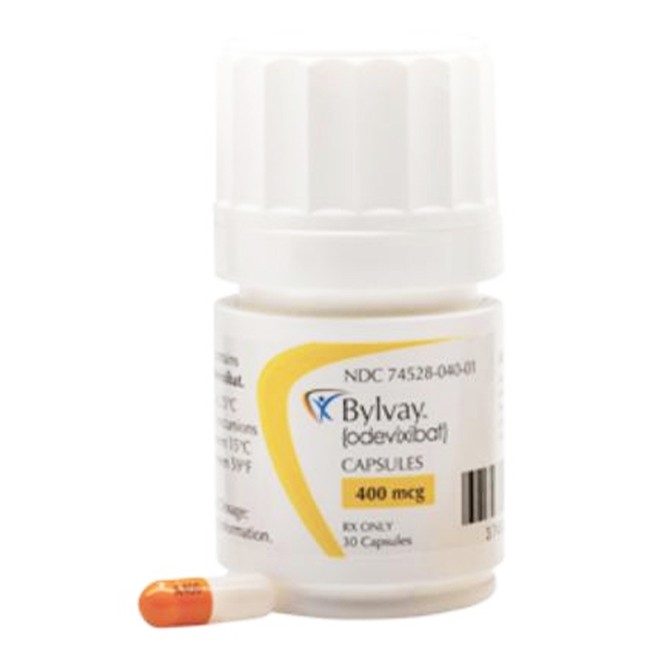
Odevixibat is used to treat pruritus associated with PFIC and ALGS. Its side effects mainly involve the liver, gastrointestinal tract, and fat-soluble vitamin absorption, requiring focused monitoring and timely management.
I. Liver-Related Side Effects
1. Hepatotoxicity
Odevixibat treatment is associated with a potential risk of drug-induced liver injury.
During treatment, liver enzyme elevations or worsening of liver tests may occur.
Some patients with severe liver injury require liver transplantation.
Baseline liver tests should be obtained before treatment, and frequent monitoring is required during the first 6 to 8 months after starting therapy.
Thereafter, liver function should continue to be monitored according to clinical indications.
2. Monitoring and Management
If liver test abnormalities or signs of clinical hepatitis occur, dose reduction or treatment interruption should be considered.
In patients with persistent or recurrent liver test abnormalities, odevixibat should be permanently discontinued.
In patients who develop symptoms and signs of clinical hepatitis upon rechallenge, the drug should be permanently discontinued.
In patients who experience a hepatic decompensation event, odevixibat should be permanently discontinued.
Patients with compensated cirrhosis or portal hypertension should be monitored more frequently.
II. Gastrointestinal-Related Side Effects
1. Diarrhea
Diarrhea is a common gastrointestinal side effect during odevixibat treatment.
Some patients require treatment interruption due to persistent diarrhea.
When diarrhea occurs, dehydration should be monitored and promptly managed.
Odevixibat dosing should be interrupted in patients with persistent diarrhea.
After diarrhea resolves, it may be restarted at a lower dose and adjusted according to tolerability.
2. Other Gastrointestinal Reactions
Common adverse reactions include abdominal pain, vomiting, and nausea.
Some patients may experience constipation or gastroesophageal reflux disease.
Postmarketing reports include gastrointestinal hemorrhage and gingival hemorrhage.
If diarrhea persists and no other etiology is identified, odevixibat should be discontinued.
III. Fat-Soluble Vitamin Deficiency and Related Side Effects
1. Fat-Soluble Vitamin Deficiency
Odevixibat may affect the absorption of fat-soluble vitamins A, D, E, and K.
Patients with PFIC and ALGS may already have fat-soluble vitamin deficiency at baseline.
Baseline serum levels should be obtained and monitored regularly during treatment.
Fat-soluble vitamins should be supplemented when deficiency occurs.
If deficiency persists or worsens despite supplementation, permanent discontinuation should be considered.
2. Fracture and Bleeding
Fracture events have been observed in patients treated with odevixibat.
If fracture occurs, treatment interruption should be considered, and fat-soluble vitamins should be supplemented if necessary.
Odevixibat treatment should be interrupted if bleeding occurs.
Treatment of fat-soluble vitamin deficiency should be optimized, and restarting may be considered after the patient is clinically stable.
Patients may bleed more easily, bleed longer, or experience fractures, and should seek medical attention promptly if related symptoms occur.

Free Inquiry











