





During oral treatment with pacritinib, diet is closely related to the method of administration, gastrointestinal reactions, and concomitant medications. Patients should pay attention to the following points.
I. Method of Administration and Dietary Combinations
1. May Be Taken With or Without Food
Pacritinib may be taken with or without food.
A high-fat meal has no significant effect on drug absorption, and patients do not need to intentionally change their dietary structure.
It is recommended to take the drug twice daily at approximately fixed times to maintain stable blood drug concentrations.
2. Method of Taking the Capsule
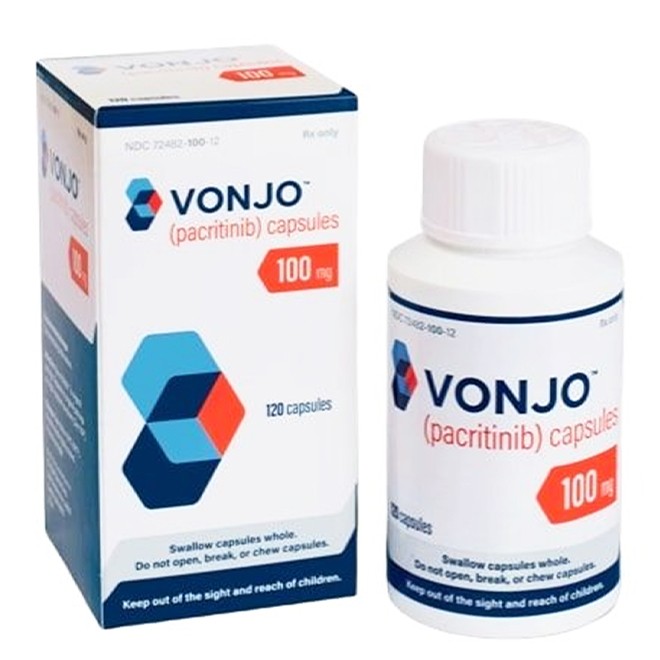
Capsules should be swallowed whole and must not be opened, broken, or chewed.
They may be taken with water; avoid dry swallowing to prevent esophageal irritation.
If swallowing is difficult, consult a physician; do not change the method of administration on your own.
II. Dietary Management During Diarrhea
1. Prompt Initiation of Antidiarrheal Treatment
When starting pacritinib treatment, physicians usually prescribe an antidiarrheal medication in advance.
Once there is an increase in bowel movement frequency or loosening of stools, the antidiarrheal medication should be taken immediately as prescribed.
Do not wait until diarrhea becomes severe before starting management.
2. Replenishment of Fluids and Electrolytes
Diarrhea causes loss of body fluids and electrolytes; drink more water or oral rehydration salts.
Light fluids may be taken in small amounts multiple times; avoid drinking a large amount at one time.
If signs of dehydration such as dry mouth, reduced urine output, or dizziness occur, seek medical attention promptly.
3. Adjustment of Dietary Content
During diarrhea, choose light and easily digestible foods, such as rice porridge, noodles, and bananas.
Avoid greasy, spicy, raw, cold, and high-fiber foods to prevent further intestinal irritation.
Avoid beverages containing caffeine or alcohol.
4. Beware of Severe Diarrhea
If diarrhea is severe or does not resolve, it may cause acute kidney injury.
Seek medical attention immediately if severe diarrhea occurs; temporary suspension or dosage adjustment may be needed.
III. Concomitant Medications and Special Dietary Reminders
1. Avoid Use With Strong CYP3A4 Inhibitors or Inducers
Pacritinib is mainly metabolized by CYP3A4, and concomitant use with strong inhibitors or inducers is prohibited.
Some foods and herbal products may affect this enzyme, such as grapefruit and certain St. John's wort products.
Avoid eating grapefruit or drinking grapefruit juice during treatment.
2. Note the Interaction With Hormonal Contraceptives
Pacritinib may reduce the effectiveness of hormonal contraceptives.
Except for intrauterine systems containing levonorgestrel, other hormonal contraceptive methods may be unreliable.
During treatment and for 30 days after the last dose, additional non-hormonal contraceptive measures should be used.
3. Dietary Precautions When Combining With Other Drugs
Pacritinib can affect the concentrations of substrate drugs of P-gp, BCRP, CYP1A2, and others.
If drugs such as digoxin or rosuvastatin are taken concomitantly, monitoring and dosage adjustment are needed as prescribed.
At medical visits, proactively inform the physician of all prescription drugs, over-the-counter drugs, vitamins, and herbal supplements.
4. Other General Recommendations
Maintain a balanced diet during treatment to help preserve physical strength and immune function.
If nausea or vomiting occurs, eat small meals more frequently and avoid taking the drug on an empty stomach to reduce discomfort.
Before any dietary adjustment or addition of supplements, it is best to consult a physician or pharmacist first.

Free Inquiry











