





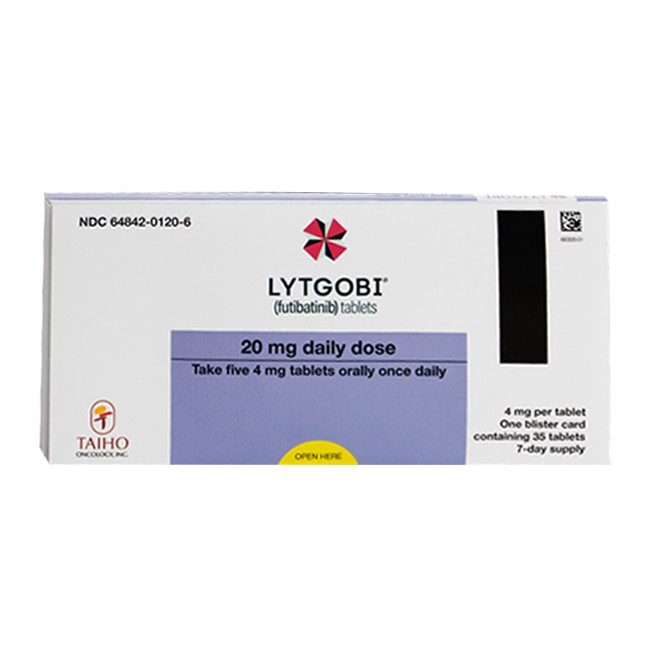
Futibatinib exerts its antitumor effect by inhibiting FGFR, while also causing elevated serum phosphate and gastrointestinal reactions. A reasonable diet helps support treatment and reduce discomfort.
I. Basic Dietary Principles for Drug Safety
1. Adhere to a Low-Phosphate Diet
Hyperphosphatemia is a common pharmacodynamic effect of futibatinib, so dietary phosphate intake should be actively controlled. Reduce the proportion of high-phosphate foods such as animal organs, processed meat products, whole-grain bran, nuts, and cheese; prioritize fresh ingredients; and use phosphate binders as needed under medical guidance.
2. Avoid Grapefruit and Its Products
Grapefruit affects CYP3A enzyme activity and may alter the exposure of futibatinib in the body. During treatment, avoid eating grapefruit, drinking grapefruit juice and related beverages; pomelo-type fruits should also be avoided.
3. Maintain Regularity in Dosing and Eating
Futibatinib can be taken with or without food; it is recommended to take it at a relatively fixed time each day. Regular meals at set times help reduce gastrointestinal discomfort and make it easier to coordinate dosing with daily eating rhythms.
II. Dietary Adjustments for Common Discomforts
1. Relieve Nausea and Vomiting
When nausea occurs, eat small, frequent meals and avoid greasy, spicy, and strongly scented foods. Choose light, easily digestible foods such as plain congee, noodles, and steamed eggs. If vomiting occurs after dosing, do not take an extra dose, and do not "make up" with extra meals; simply continue with the next scheduled dose.
2. Manage Dry Mouth and Oral Mucosal Reactions
Dry mouth, stomatitis, and taste changes are relatively common. Drink water in small amounts and frequently; sugar-free lozenges or sugar-free chewing gum can be used to stimulate saliva secretion. Avoid excessively hot, sour, or rough foods; choose lukewarm, soft foods to reduce irritation of the oral mucosa.
3. Manage Diarrhea and Constipation
During diarrhea, pay attention to replenishing water and electrolytes; mild salt water or oral rehydration salts may be taken appropriately, and raw, cold, high-fiber irritating foods should be avoided. For constipation, increase water intake, appropriately consume soluble dietary fiber, and maintain moderate activity as physically tolerated.
4. Protect Skin and Nails
Dry skin, hand-foot syndrome, and nail changes are relatively common. Ensure adequate water intake and appropriate high-quality protein in the diet to help maintain the basic nutritional status of skin and nails, along with topical moisturizing and local care.
III. Long-Term Nutritional Support and Safety Tips
1. Ensure Adequate High-Quality Protein Intake
Cancer patients often experience nutritional depletion; appropriate intake of high-quality protein such as fish, poultry, eggs, lean meat, and soy products helps maintain physical strength and immune function. Cooking should mainly use steaming, boiling, and stewing, with less frying and grilling.
2. Use Supplements and Herbs with Caution
Some supplements, herbs, and "anti-cancer folk remedies" may interfere with drug metabolism or increase liver and kidney burden. During treatment, any use of supplements, vitamins, or Chinese herbal medicines should be reported to the doctor in advance and must not be added on one's own.
3. Regular Monitoring and Dynamic Adjustment
Serum phosphate, liver and kidney function, and nutritional status should be reviewed regularly. The dietary plan should be dynamically adjusted according to test results and adverse reactions; if marked loss of appetite, weight loss, or difficulty eating occurs, seek professional guidance from a doctor or dietitian promptly.

Free Inquiry











