





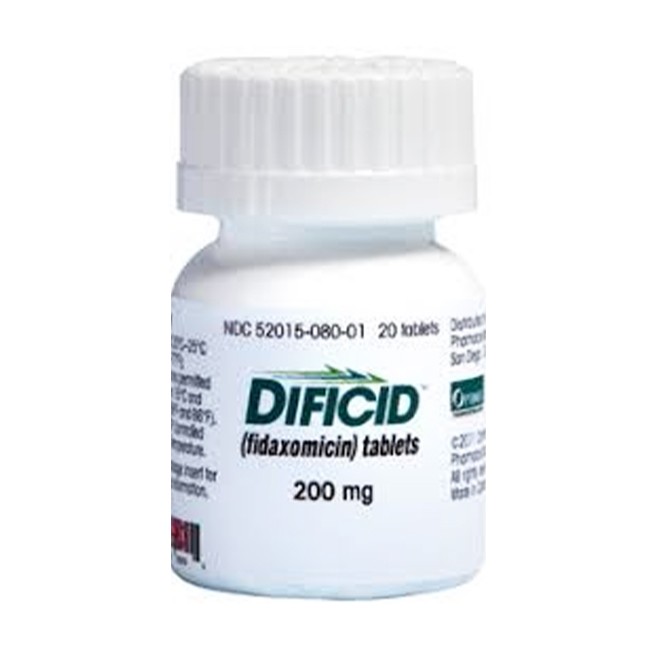
Fidaxomicin is an antibacterial drug for the treatment of Clostridioides difficile-associated diarrhea, and standardized medication is essential for efficacy and safety. The following precautions are explained from three aspects: medication methods, safety monitoring, and special situations.
I. Standardized Medication Methods
1. Use Strictly According to Indications
Fidaxomicin is only used for diarrhea proven or strongly suspected to be caused by Clostridioides difficile. Because systemic absorption is minimal, it is not expected to be effective against other types of infections and must not be used to treat viral infections such as the common cold or other bacterial infections.
2. Master the Correct Dosage and Course of Treatment
The usual adult dosage is 200 mg per dose, twice daily, orally for 10 days. For children, dosing is by body weight: those who can swallow tablets and weigh ≥12.5 kg should use 200 mg tablets; those weighing ≥4 kg may use the oral suspension, with the corresponding volume based on body weight, twice daily, for a course of 10 days. The safety and effectiveness in infants under 6 months of age have not been established.
3. Take Medication on Time, Can Be Taken with Food
Take twice daily, about every 12 hours, for example at 8 a.m. and 8 p.m. It can be taken with food or on an empty stomach; a high-fat diet has no clinically significant effect on efficacy.
4. Complete the Full Course of Treatment
Even if you feel better early, complete the entire course. Missed doses or premature discontinuation will reduce the efficacy of this treatment and increase the risk of bacterial resistance, making future infections difficult to treat.
5. Special Instructions for the Suspension
The suspension is prepared by healthcare professionals, stored refrigerated after preparation for up to 12 days, and discarded upon expiration. Before each dose, remove from the refrigerator 15 minutes in advance, shake well until the color is uniform (white to yellowish white), measure the accurate dose with an oral dosing device, and tightly recap and return to the refrigerator after use.
II. Safety Monitoring and Allergy Prevention
1. Be Alert to Allergic Reactions
Acute allergic reactions such as dyspnea, rash, pruritus, and angioedema of the mouth, throat, and face may occur during medication. Once severe allergic manifestations appear, stop the drug immediately and seek medical attention. Those allergic to other macrolide antibiotics (such as azithromycin and clarithromycin) should inform their doctor before use.
2. Pay Attention to Common Adverse Reactions
In adults, nausea, vomiting, abdominal pain, gastrointestinal hemorrhage, anemia, and neutropenia are relatively common; in children, pyrexia, abdominal pain, vomiting, diarrhea, constipation, increased aminotransferases, and rash are relatively common. If adverse reactions persist or worsen, inform the doctor promptly.
3. Do Not Add Other Drugs Without Authorization
Those using other prescription drugs, over-the-counter drugs, vitamins, or herbal medicines should inform their doctor. No dose adjustment is required when fidaxomicin is co-administered with P-glycoprotein inhibitors such as cyclosporine, but combination therapy should still be under the guidance of a doctor.
III. Management of Special Situations
1. Pregnancy and Lactation
Data on use during pregnancy are limited, and the risk to the fetus cannot be excluded; medication should be weighed together with the doctor. It is not clear whether fidaxomicin enters breast milk, and use during lactation also requires a comprehensive assessment of the benefits of breastfeeding and the mother's clinical needs.
2. Pediatric and Geriatric Patients
Use in children aged 6 months and older has been established; it is not recommended for those under 6 months. No dose adjustment is required for geriatric patients, but attention should be paid to their underlying diseases and concomitant medications.
3. Patients with Hepatic or Renal Impairment
No dose adjustment is required for patients with renal impairment. The impact of hepatic impairment has not been evaluated, but because the drug does not undergo significant hepatic metabolism, the impact is expected to be minimal; observation is still needed during use.
4. Overdose and Missed Doses
There are currently no reports of acute overdose in humans. If a dose is missed, take it as soon as possible; if the next dose is approaching, skip the missed dose and take the next dose as originally scheduled. Do not take a double dose at one time.

Free Inquiry











