
info@seagull-health.com
SeagullHealth
语言:
search
new
Healthy eating habits of Dificid patients
506
Article source: Seagull Pharmacy
Nov 10, 2026

During fidaxomicin treatment, a reasonable diet helps relieve gastrointestinal discomfort and promote recovery. The following recommendations are provided from three aspects: dietary principles, food choices, and precautions.

I. Basic Dietary Principles

1. Focus on Light, Easily Digestible Foods

Intestinal function is weakened during Clostridioides difficile-associated diarrhea, so the diet should be light and easy to digest. Choose soft, low-residue foods to reduce mechanical irritation to the intestines and help the intestines rest and repair.

2. Eat Small, Frequent Meals

Avoid eating too much at one time, which can increase the burden on the gastrointestinal tract. The three daily meals can be adjusted to five or six meals, with an appropriate amount at each meal, which can ensure nutritional intake while reducing discomfort such as abdominal bloating and abdominal pain.

3. Eat Regularly and Coordinate with Medication

Fidaxomicin can be taken with food or on an empty stomach, and patients can arrange it according to their own habits. It is recommended to fix the times of medication and meals, with an interval of about 12 hours between two doses, to avoid missed doses.

4. Ensure Adequate Water Intake

Diarrhea can easily lead to the loss of water and electrolytes. Drink water in small amounts and multiple times, and appropriately supplement with light salt water or oral rehydration salts to prevent dehydration.

II. Food Choice Recommendations

1. Suitable Foods

Staples: low-fiber staples such as plain congee, soft noodles, steamed buns, and plain white rice.

Protein: easily digestible high-quality protein such as steamed eggs, minced lean meat, fish, and tofu.

Vegetables and Fruits: low-residue fruits and vegetables such as peeled applesauce, bananas, and carrot puree.

Beverages: warm boiled water, light salt water, and diluted fruit juice.

2. Foods to Avoid

High-fat and greasy foods: fried foods, fatty meat, cream, etc., which can worsen diarrhea.

Spicy and irritating foods: chili peppers, pepper, raw garlic, etc., which irritate the intestines.

High-fiber and coarse foods: whole wheat, beans, Chinese chives, celery, etc., which increase the burden on the intestines.

Raw and cold foods: iced drinks, raw fish, unwashed raw vegetables.

Dairy products: lactose tolerance may decrease during diarrhea in some patients, and milk etc. may worsen symptoms, so they can be temporarily avoided.

Alcohol and caffeine: irritate the gastrointestinal tract and affect recovery.

3. Pay Attention to Food Safety

Immunity is weaker during diarrhea, so ensure that food is fresh and thoroughly cooked, avoid leftovers and raw food, and prevent secondary intestinal infection.

III. Dietary Precautions During Medication

1. Do Not Use Antidiarrheal Drugs or Probiotics Without Authorization

Dietary adjustment cannot replace drug treatment. Consult a doctor when severe diarrhea occurs, and do not take antidiarrheal drugs on your own, so as not to affect the excretion of toxins.

2. Observe the Relationship Between Food and Symptoms

Record the relationship between eating and diarrhea or abdominal bloating. If a certain type of food significantly worsens discomfort, it can be temporarily avoided and gradually tried again after symptoms improve.

3. Gradually Return to a Normal Diet

After symptoms improve, do not immediately return to a high-fat, high-fiber diet. Transition gradually from light, soft foods to give the intestines time to adapt.

4. Complete the Full Course of Treatment

Even if appetite returns and symptoms improve, complete the 10-day course as prescribed. Do not stop the medication early just because you feel better, in order to prevent recurrence and resistance.

5. Individualized Adjustment for Special Populations

Children, the elderly, and patients with hepatic or renal impairment should adjust their dietary structure according to the advice of a doctor or dietitian to ensure balanced nutrition.

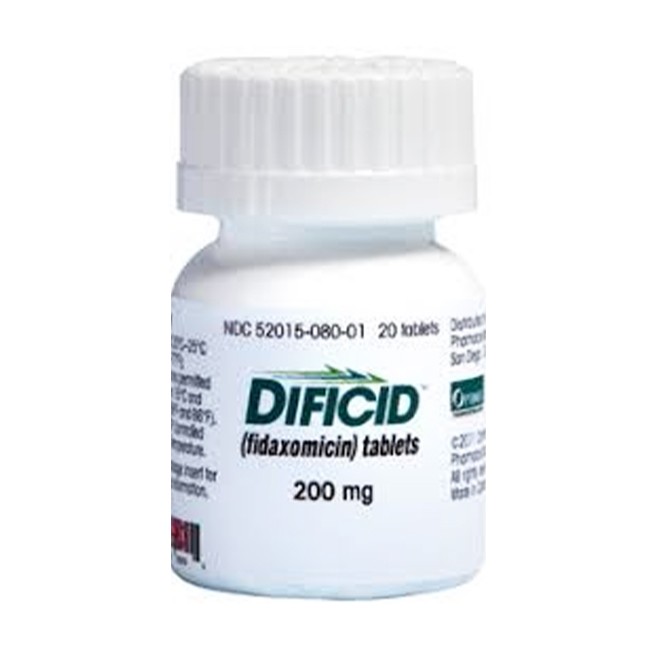
Note: For internal discussion among medical personnel only. For specific medication, please consult the attending physician. Drug information may change over time. For the latest information, we recommend adding a medical consultant or consulting for free online.
Fidaxomicin(DIFICID)
Indicated for the treatment of Clostridium difficile-associated diarrhea (CDAD)...
WeChat Scan
Free Inquiry
Recommended Articles
The side effects of Dificid and its use in special populations
Fidaxomicin is a macrolide antibacterial drug for the treatment of Clostridioides difficile-associated diarrhea, and attention should be paid to its safety profile and use in special populations. The ...
Side effects and special population use of quizartinib
While exerting its anti-leukemic effects, quizartinib can cause adverse reactions involving the cardiac, hematologic, and digestive systems, among others, and its use in special populations also requi...
Healthy lifestyle of patients with quizartinib
During quizartinib treatment, patients need to establish a healthy lifestyle focused on cardiac safety, proper medication practices, and daily precautions to reduce treatment risks and ensure efficacy...
The mechanism of action of quizartinib
Quizartinib is an oral small-molecule FLT3 receptor tyrosine kinase inhibitor that inhibits the kinase activity of FLT3 and its mutants, blocks downstream signal transduction, and thereby suppresses l...
Medication precautions for Dificid patients
Fidaxomicin is an antibacterial drug for the treatment of Clostridioides difficile-associated diarrhea, and standardized medication is essential for efficacy and safety. The following precautions are ...
Precautions for the use of futibatinib
Futibatinib is a kinase inhibitor targeting FGFR, indicated for adult patients with previously treated intrahepatic cholangiocarcinoma harboring FGFR2 fusions or rearrangements. The following precauti...
Healthy eating habits for patients with futibatinib
Futibatinib exerts its antitumor effect by inhibiting FGFR, while also causing elevated serum phosphate and gastrointestinal reactions. A reasonable diet helps support treatment and reduce discomfort....
The mechanism of action of futibatinib
Futibatinib is an oral small-molecule kinase inhibitor that irreversibly targets fibroblast growth factor receptors (FGFR), blocking aberrant signaling and inhibiting tumor growth.I. Target Characteri...
Related Articles
Medication precautions for Dificid patients
Fidaxomicin is an antibacterial drug for the treatment of Clostridioides difficile-associated diarrhea, and standardized medication is essential for efficacy and safety. The following precautions are ...
Healthy eating habits of Dificid patients
During fidaxomicin treatment, a reasonable diet helps relieve gastrointestinal discomfort and promote recovery. The following recommendations are provided from three aspects: dietary principles, food ...
The side effects of Dificid and its use in special populations
Fidaxomicin is a macrolide antibacterial drug for the treatment of Clostridioides difficile-associated diarrhea, and attention should be paid to its safety profile and use in special populations. The ...
Indications: Only for Clostridioides difficile-associated diarrhea
Fidaxomicin (Dificid) is a macrolide antibiotic specifically indicated for Clostridioides difficile-associated diarrhea, acting locally in the intestine with minimal systemic absorption.Indications: O...
Common side effects of fidaxomicin (Dificid)
Fidaxomicin (Dificid) is a specialized antibiotic for the treatment of Clostridioides difficile-associated diarrhea, with a good safety profile.Common side effects of fidaxomicin (Dificid)1. Common si...
How to Use Dificid (Fidaxomicin)
Dificid (fidaxomicin) is a macrolide antibacterial agent, primarily used to treat Clostridioides difficile - associated diarrhea (CDAD) in adult patients and pediatric patients aged 6 months and older...
What Kind of Drug Is Dificid (Fidaxomicin)?
Dificid (fidaxomicin) is a new-generation macrolide antibacterial agent. It plays an important role in the treatment of Clostridioides difficile infections through a unique targeted mechanism of actio...
How to Purchase Dificid (Fidaxomicin)
Dificid (fidaxomicin) is a macrolide antibacterial agent used for the treatment of Clostridioides difficile - associated diarrhea (CDAD). It is indicated for adult patients and pediatric patients aged...
New Drugs
Cenobamate(Xcopri)
Cenobamate(Xcopri)
It is used for the treatment of partial-onset seizures in adults (with or...
Infigratinib(Truseltiq)
Treatment of previously treated, unresectable locally advanced or metastatic...
Opicapone(Ongentys)
Opicapone(Ongentys)
Adjunctive treatment to levodopa/carbidopa for reducing "off" episodes in...
Deflazacort(Emflaza)
Treatment of Duchenne muscular dystrophy (DMD) in patients aged 2 years and...
Counselling Service
Global Drug Search
Clinical Research Recruitment
Overseas Medical Treatment
Remote Consultations
Note: Our medical consultant will contact you as soon as possible. We promise to strictly protect your privacy.
Submit
Business
  • Core products
  • Antitumor drugs
  • General drug
  • Antiviral drugs
  • Biological agents
Contact Us 
  • haiousales@gmail.com
Welcome to consult
Seagull Pharmacy.,Ltd All rights reserved






