





Stiripentol must be taken with meals and can easily cause decreased appetite and weight loss; therefore, dietary management directly affects medication safety and nutritional status.
I. Administration Method and Meal Coordination
1. Must Be Taken with Meals
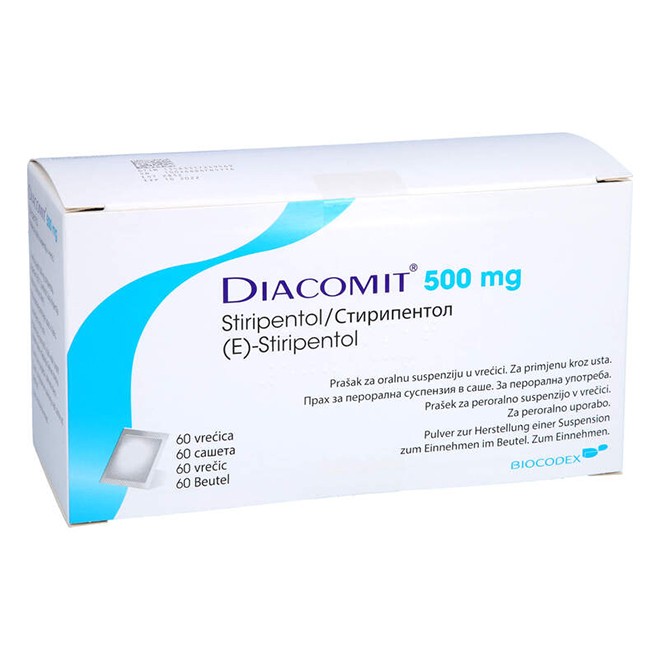
Capsules must be swallowed whole with a glass of water during a meal and must not be broken or opened. The oral suspension should be mixed with 100 mL of water and taken immediately, and must be taken during or immediately after a meal.
2. Rinse the Suspension Thoroughly
After mixing, have the child drink it all, then add about 25 mL of water to the cup, stir, and drink it all to ensure no medicine remains. The mixture must not be stored after mixing and must be taken immediately.
3. Fix the Meal and Dosing Rhythm
Administer equal doses 2 or 3 times daily, tied to breakfast and dinner or the three daily meals, which both reduces missed doses and helps establish regular eating habits. If a dose is missed, take it as soon as possible; if it is almost time for the next dose, skip it and do not double the dose.
II. Managing Decreased Appetite and Weight Loss
1. Eat Small, Frequent Meals
Decreased appetite is common; arrange 2 to 3 snacks in addition to regular meals, using small amounts of high-energy, easy-to-eat foods to supplement total intake.
2. Prefer High-Energy, High-Protein Foods
Choose eggs, fish, dairy products, soy products, and staple foods; appropriately increase vegetable oil in cooking to raise the energy density of each bite, and avoid filling the stomach with low-energy foods such as clear soup and thin congee.
3. Monitor Weight and Growth
Weigh and record regularly; for children, also pay attention to height and growth curves. If weight continues to decline or growth is delayed, inform the doctor promptly rather than increasing feeding amounts on your own.
4. Discuss Adjustment of Concomitant Medications with the Doctor
In some patients, reducing the valproate dose can help improve appetite and weight; such adjustments must be decided by the doctor, and patients and families must not change medications on their own.
III. Avoiding Dietary Factors That Aggravate Adverse Reactions
1. Strictly Avoid Alcohol
Alcohol and other central nervous system depressants can worsen somnolence and dizziness; alcohol should be avoided during treatment, and alcoholic beverages or foods should not be used.
2. Be Alert to the Impact of Somnolence on Eating
When marked drowsiness occurs, avoid eating while drowsy to prevent choking; schedule regular meals during awake periods and separate them from dosing times.
3. Control Phenylalanine in Patients with Phenylketonuria
The suspension contains aspartame: each 250 mg packet contains 1.40 mg of phenylalanine, and each 500 mg packet contains 2.80 mg. Patients with PKU must include the drug source in their total daily phenylalanine intake; capsules do not contain phenylalanine, so dosage form selection can be discussed with the doctor.
4. Avoid Taking Supplements That Affect Drug-Metabolizing Enzymes on Your Own
Herbs such as St. John's wort may induce hepatic drug-metabolizing enzymes and reduce stiripentol concentrations; consult a doctor or pharmacist before taking any vitamins, herbal medicines, or over-the-counter drugs.
5. Ensure Water Intake and Be Aware of Food-Drug Interactions
Take the drug with water as directed and avoid substituting fruit juice or milk. When other drugs metabolized by CYP are used concomitantly, the doctor should evaluate the dosage; keep the diet stable and do not make major dietary changes arbitrarily.

Free Inquiry











