info@seagull-health.com
SeagullHealth
语言:
search
new
Dosage and Administration, Precautions, and Healthy Lifestyle for Acofide (Acotiamide)
507
Article source: Seagull Pharmacy
May 12, 2026

Correct use of acotiamide is key to ensuring efficacy and safety.

I. Dosage and Administration

1. Standard Dosage

(1) The standard adult dosage is 100 mg once, three times a day, taken orally before meals.

(2) Each tablet contains acotiamide hydrochloride hydrate 100 mg, i.e., one tablet per dose.

2. Timing of Administration

(1) Acotiamide should be taken before meals.

(2) Strictly taking it before meals provides the best efficacy.

3. Treatment Duration

(1) Continuous medication for 4 weeks is recommended for efficacy evaluation.

(2) If symptoms do not improve significantly after one month of treatment, discontinuation should be considered.

(3) After symptom improvement, discontinuation should also be considered to avoid long-term unnecessary use.

II. Precautions for Use

1. Necessary Examinations Before Use

(1) Before using this drug, it is necessary to confirm the exclusion of organic diseases such as gastric cancer through examinations like upper gastrointestinal endoscopy.

(2) If symptoms persist and do not improve after medication, the possibility of organic diseases should still be considered, and further examination should be performed promptly.

2. Indications for Discontinuation

(1) Discontinuation due to inefficacy: If symptoms do not improve after one month of medication, discontinuation should be considered.

(2) Discontinuation due to efficacy: After sustained symptom improvement, active consideration should be given to discontinuation, and long-term maintenance is not recommended. In clinical trials, 75% of patients discontinued due to symptom improvement, and the improvement effect persisted for 12 weeks in half of those patients.

3. Special Population Precautions

(1) Pregnant women: Use only if the therapeutic benefit outweighs the risk.

(2) Lactating women: Animal studies (rats) show that the drug can be excreted into milk; the benefits and risks should be weighed before deciding on breastfeeding.

(3) Children: No clinical trials have been conducted; use is not recommended.

(4) Elderly: Physiological functions are generally declining; if any abnormalities occur, discontinue the drug promptly.

4. Special Note: Safe Use of PTP Packaging

(1) Be sure to remove the tablet from the PTP sheet before taking it; do not swallow the sheet whole.

(2) Accidental swallowing of the PTP sheet may cause sharp edges to pierce the esophageal mucosa, possibly leading to serious complications such as perforation and mediastinitis.

5. Drug Interaction Reminder

(1) Concomitant use with anticholinergic drugs (e.g., atropine) may reduce the efficacy of this drug.

(2) Concomitant use with cholinergic drugs (e.g., acetylcholine, neostigmine) may enhance the effects of both drugs and should be done with caution.

III. Healthy Lifestyle for Patients

In addition to drug therapy, lifestyle modifications are also important for relieving symptoms of functional dyspepsia. The following suggestions are for reference.

1. Reasonable Eating Habits

(1) Eat small, frequent meals: Avoid overeating at each meal to reduce postprandial fullness and early satiety.

(2) Chew thoroughly: Adequate chewing aids digestion and reduces gastric burden.

(3) Avoid irritating foods: Such as overly greasy, spicy, excessively hot or cold foods, which may induce or worsen symptoms.

(4) Keep a food diary: Identify and avoid personally intolerant foods.

2. Regular Daily Routine

(1) Set fixed meal times: Establish regular eating habits, avoiding irregular meal patterns.

(2) Ensure adequate sleep: Lack of sleep may worsen dyspepsia symptoms.

(3) Moderate activity after meals: Taking a walk after meals can promote gastric emptying, but avoid vigorous exercise.

Note: For internal discussion among medical personnel only. For specific medication, please consult the attending physician. Drug information may change over time. For the latest information, we recommend adding a medical consultant or consulting for free online.
Recommended Articles
Imiquimod Cream: Indications, Contraindications, and Use in Special Populations
Imiquimod cream is a topical immune response modifier primarily used for the treatment of external genital/perianal warts and actinic keratosis.I. Indications1. Condylomata Acuminata (External Genital...
Common Side Effects of Imiquimod
Imiquimod cream works by activating local immune responses, but it often causes skin and systemic reactions.I. Common Side Effects1. Local Skin Reactions(1) Almost every user experiences local reactio...
Temsirolimus: Side Effect Management and Storage Guidelines
While treating advanced renal cell carcinoma, Temsirolimus may cause various side effects. Understanding these adverse reactions and their management, as well as mastering correct storage conditions, ...
Temsirolimus: Indications, Contraindications, and Medication Guidelines for Special Populations
Temsirolimus is an mTOR inhibitor used for the treatment of certain types of advanced renal cell carcinoma.I. Indications1. Temsirolimus is indicated for the treatment of advanced renal cell carcinoma...
Side effects, relief methods and storage requirements of Acotiamide (Acofide)
Acofide has shown good safety in clinical trials, but some users may still experience adverse reactions.I. What are the side effects of Acofide?1. Common side effects (incidence ≥1%)According to Japan...
Usage, Precautions and Healthy Living Guidelines for Japanese Tinnitus Relief Agent (Stomin)
This is a commonly prescribed therapeutic drug for tinnitus in Japan. Mastering the correct usage and dosage, understanding precautions, and adopting a healthy lifestyle can help improve efficacy and ...
A Complete Analysis of Side Effects and Storage of Stomin, a Japanese Tinnitus Relief Medication
As a commonly used clinical tinnitus treatment in Japan, Stomin has a good overall safety profile, but adverse reactions may still occur.I. What are the side effects of Stomin?1. Digestive system side...
Accommodation Function Improvement Eye Drops (Sancoba Eye Drops): Usage, Precautions and Healthy Lifestyle
This article systematically introduces the usage, dosage, precautions, and supportive healthy lifestyle measures for the ophthalmic solution for improving accommodative function (Sancoba eye drops), h...
Related Articles
Side Effects, Management and Storage Guidelines for Sacubitril/Valsartan Sodium Tablets (Entresto)
Sacubitril/valsartan sodium tablets are highly effective in treating heart failure and hypertension, but like all medications, they may also cause some side effects.I. What are the common side effects...
Sacubitril Valsartan Sodium Tablets (Entresto): Indications, Contraindications, and Use in Special Populations
Sacubitril/Valsartan sodium tablets are indicated for chronic heart failure in adults and children, as well as for hypertension in adults. However, a thorough evaluation of contraindications and speci...
Tenapanor (Xphozah) Medication Guide: Dosage, Precautions, and Healthy Living
Tenapanor (Xphozah) is used to lower serum phosphorus in adult dialysis patients and must be strictly used according to the dosage and administration instructions.I. Dosage and Administration1. Recomm...
Xphozah (Tinapano) Side Effect Management and Storage Guidelines
Tenapanor (Xphozah) is used to lower serum phosphorus in dialysis patients, with the most common side effect being diarrhea. Correctly identifying side effects, mastering mitigation methods, and stori...
Side Effects, Mitigation Methods and Storage Guidelines for Lecanemab (Leqembi)
Lecanemab (Leqembi) can cause various side effects while treating early Alzheimer's disease.I. What are the common side effects?1. Infusion-related reactions(1) Occur in approximately 26% of patie...
Dosage and Administration, Precautions, and Healthy Lifestyle for Lecanemab (Leqembi)
Lecanemab (Leqembi) must be used under professional medical guidance. Adherence to prescribed medication and a healthy lifestyle can better ensure treatment efficacy and safety.I. Dosage and Administr...
What are the side effects of Urocalun?
Urocalun, a commonly used drug to promote the expulsion of kidney and ureteral stones, has a good overall safety profile but may still cause some side effects.I. What are the side effects of Urocalun?...
Urocalun: Indications, Contraindications, and Medication Precautions for Special Populations
Urocalun is a urinary calculus therapeutic agent extracted from the leaves and branches of Quercus stenophylla. Clarifying its indications, contraindications, and special population precautions is ess...
New Drugs
Infigratinib(Truseltiq)
Treatment of previously treated, unresectable locally advanced or metastatic...
Opicapone(Ongentys)
Opicapone(Ongentys)
Adjunctive treatment to levodopa/carbidopa for reducing "off" episodes in...
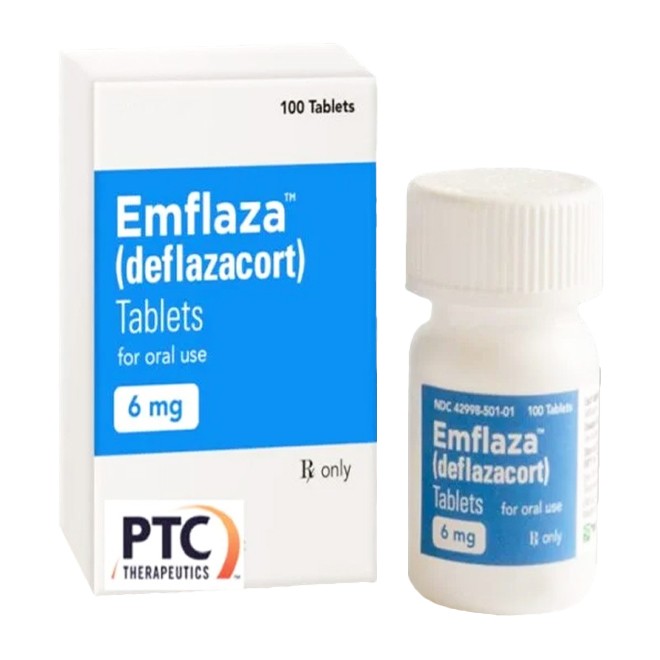
Deflazacort(Emflaza)
Treatment of Duchenne muscular dystrophy (DMD) in patients aged 2 years and...
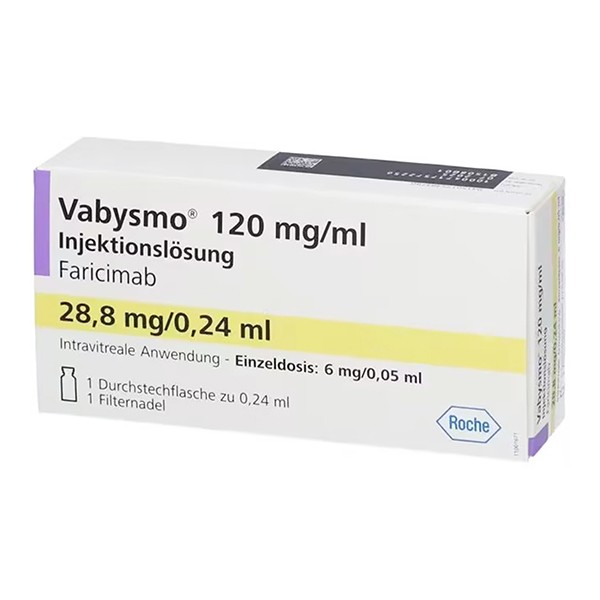
Faricimab-svoa(Vabysmo)
Treatment of neovascular age-related macular degeneration, diabetic macular...
Counselling Service
Global Drug Search
Clinical Research Recruitment
Overseas Medical Treatment
Remote Consultations
Note: Our medical consultant will contact you as soon as possible. We promise to strictly protect your privacy.
Submit
Business
  • Core products
  • Antitumor drugs
  • General drug
  • Antiviral drugs
  • Biological agents
Contact Us 
  • haiousales@gmail.com
Welcome to consult
Seagull Pharmacy.,Ltd All rights reserved