info@seagull-health.com
SeagullHealth
语言:
search
new
Temsirolimus: Indications, Contraindications, and Medication Guidelines for Special Populations
506
Article source: Seagull Pharmacy
May 09, 2026

Temsirolimus is an mTOR inhibitor used for the treatment of certain types of advanced renal cell carcinoma.

I. Indications

1. Temsirolimus is indicated for the treatment of advanced renal cell carcinoma.

2. Temsirolimus is not recommended for use in combination with sunitinib, as dose-limiting toxicity was observed in clinical trials with this combination regimen.

II. Contraindications

1. Hepatic function contraindications:

(1) Patients with bilirubin >1.5 times the upper limit of normal are contraindicated for temsirolimus.

(2) Such patients have a significantly increased risk of toxicity and death.

2. Allergy contraindications:

Patients with known hypersensitivity to temsirolimus or its metabolites (including sirolimus), polysorbate 80, or any other component of the formulation should use with caution or avoid use.

3. Drug interaction contraindications:

(1) Concomitant use with strong CYP3A4 inhibitors (e.g., ketoconazole, itraconazole, clarithromycin, ritonavir, etc.) is contraindicated; if unavoidable, the dose should be reduced to 12.5 mg per week.

(2) Grapefruit juice should also be avoided.

III. Prohibited foods

1. Grapefruit and grapefruit juice:

Grapefruit inhibits the CYP3A4 metabolic enzyme, leading to increased blood concentrations of the active metabolite sirolimus and an increased risk of toxicity.

2. St. John's wort:

This herbal product induces CYP3A4 metabolism, unpredictably reducing temsirolimus blood concentrations; it is prohibited during treatment.

3. High-fat, high-sugar foods:

Because the drug itself tends to cause hyperglycemia and hyperlipidemia, limiting refined sugars and saturated fats is recommended to reduce the need for insulin or lipid-lowering agents.

4. Alcohol:

The temsirolimus injection and diluent both contain dehydrated alcohol; the alcohol content in the prepared solution is up to 35.2%, thus additional alcohol consumption should be avoided.

IV. Special populations

1. Hepatic impairment:

(1) For patients with mild hepatic impairment (bilirubin >1 to 1.5 times the upper limit of normal, or AST > upper limit of normal with normal bilirubin), the dose should be reduced to 15 mg per week.

(2) Patients with moderate or severe hepatic impairment are contraindicated.

2. Renal impairment:

(1) Less than 5% of temsirolimus is excreted in urine; renal impairment is not expected to significantly affect drug exposure, and no dose adjustment is required.

(2) However, no data are available for patients on hemodialysis.

3. Elderly patients:

Patients aged 65 years and older may be more susceptible to adverse reactions such as diarrhea, edema, and pneumonia; close monitoring is recommended during treatment.

4. Pediatric patients:

(1) The efficacy of temsirolimus in pediatric patients with relapsed/refractory solid tumors has not been established.

(2) Pharmacokinetic data show that when dosed based on body surface area, exposure to temsirolimus and sirolimus in children is approximately 6-fold and 2-fold higher, respectively, than in adults; the adverse reactions are similar to those in adults.

5. Pregnant and lactating women:

(1) Animal studies have shown that temsirolimus causes embryo-fetal toxicity and can cause fetal harm.

(2) Women of childbearing potential and men should use effective contraception during treatment and for 3 months after the last dose.

(3) Lactating women should not breastfeed during treatment and for 3 weeks after the last dose.

6. Patients with fertility requirements:

Animal studies have shown that temsirolimus may impair male and female fertility, causing reduced sperm concentration and motility, and increased pre- and post-implantation loss of embryos.

Note: For internal discussion among medical personnel only. For specific medication, please consult the attending physician. Drug information may change over time. For the latest information, we recommend adding a medical consultant or consulting for free online.
Recommended Articles
Common Side Effects of Cinacalcet
While effectively reducing parathyroid hormone and blood calcium, cinacalcet may also cause a range of adverse reactions.Common Side Effects of Cinacalcet1. Gastrointestinal Reactions (most common)(1)...
Dosage and Administration of Cinacalcet
The efficacy and safety of cinacalcet are highly dependent on correct usage and dosage.Dosage and Administration of Cinacalcet1. Basic Dosing Principles(1) Take with or immediately after a meal, swall...
Overview of Common Side Effects of Alectinib
Alectinib is highly effective in treating ALK-positive lung cancer, but various side effects may occur during treatment.Overview of Common Side Effects of Alectinib 1. Hepatotoxicity:Manifes...
Indications of Alectinib
Alectinib is an anaplastic lymphoma kinase (ALK) inhibitor indicated for the treatment of ALK-positive non-small cell lung cancer (NSCLC).Indications of Alectinib 1.1 Adjuvant treatment:(1) ...
Temsirolimus: Side Effect Management and Storage Guidelines
While treating advanced renal cell carcinoma, Temsirolimus may cause various side effects. Understanding these adverse reactions and their management, as well as mastering correct storage conditions, ...
Common Side Effects of Imiquimod
Imiquimod cream works by activating local immune responses, but it often causes skin and systemic reactions.I. Common Side Effects1. Local Skin Reactions(1) Almost every user experiences local reactio...
Imiquimod Cream: Indications, Contraindications, and Use in Special Populations
Imiquimod cream is a topical immune response modifier primarily used for the treatment of external genital/perianal warts and actinic keratosis.I. Indications1. Condylomata Acuminata (External Genital...
Dosage and Administration, Precautions, and Healthy Lifestyle for Acofide (Acotiamide)
Correct use of acotiamide is key to ensuring efficacy and safety.I. Dosage and Administration1. Standard Dosage(1) The standard adult dosage is 100 mg once, three times a day, taken orally before meal...
Related Articles
Side Effects, Management and Storage Guidelines for Sacubitril/Valsartan Sodium Tablets (Entresto)
Sacubitril/valsartan sodium tablets are highly effective in treating heart failure and hypertension, but like all medications, they may also cause some side effects.I. What are the common side effects...
Sacubitril Valsartan Sodium Tablets (Entresto): Indications, Contraindications, and Use in Special Populations
Sacubitril/Valsartan sodium tablets are indicated for chronic heart failure in adults and children, as well as for hypertension in adults. However, a thorough evaluation of contraindications and speci...
Tenapanor (Xphozah) Medication Guide: Dosage, Precautions, and Healthy Living
Tenapanor (Xphozah) is used to lower serum phosphorus in adult dialysis patients and must be strictly used according to the dosage and administration instructions.I. Dosage and Administration1. Recomm...
Xphozah (Tinapano) Side Effect Management and Storage Guidelines
Tenapanor (Xphozah) is used to lower serum phosphorus in dialysis patients, with the most common side effect being diarrhea. Correctly identifying side effects, mastering mitigation methods, and stori...
Side Effects, Mitigation Methods and Storage Guidelines for Lecanemab (Leqembi)
Lecanemab (Leqembi) can cause various side effects while treating early Alzheimer's disease.I. What are the common side effects?1. Infusion-related reactions(1) Occur in approximately 26% of patie...
Dosage and Administration, Precautions, and Healthy Lifestyle for Lecanemab (Leqembi)
Lecanemab (Leqembi) must be used under professional medical guidance. Adherence to prescribed medication and a healthy lifestyle can better ensure treatment efficacy and safety.I. Dosage and Administr...
What are the side effects of Urocalun?
Urocalun, a commonly used drug to promote the expulsion of kidney and ureteral stones, has a good overall safety profile but may still cause some side effects.I. What are the side effects of Urocalun?...
Urocalun: Indications, Contraindications, and Medication Precautions for Special Populations
Urocalun is a urinary calculus therapeutic agent extracted from the leaves and branches of Quercus stenophylla. Clarifying its indications, contraindications, and special population precautions is ess...
New Drugs
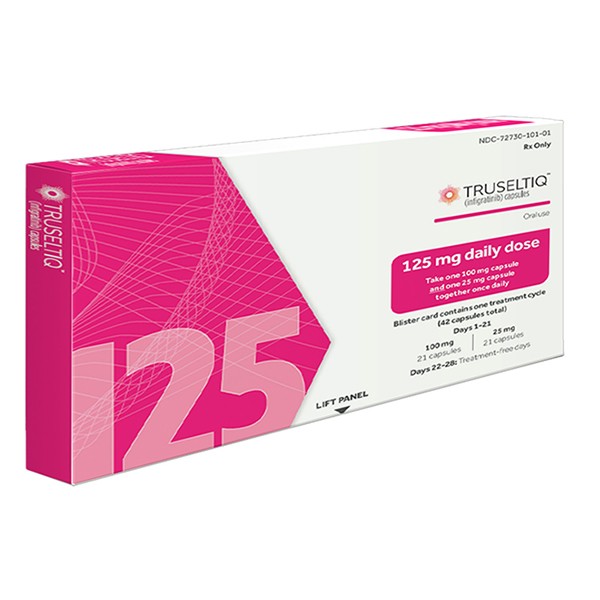
Infigratinib(Truseltiq)
Treatment of previously treated, unresectable locally advanced or metastatic...
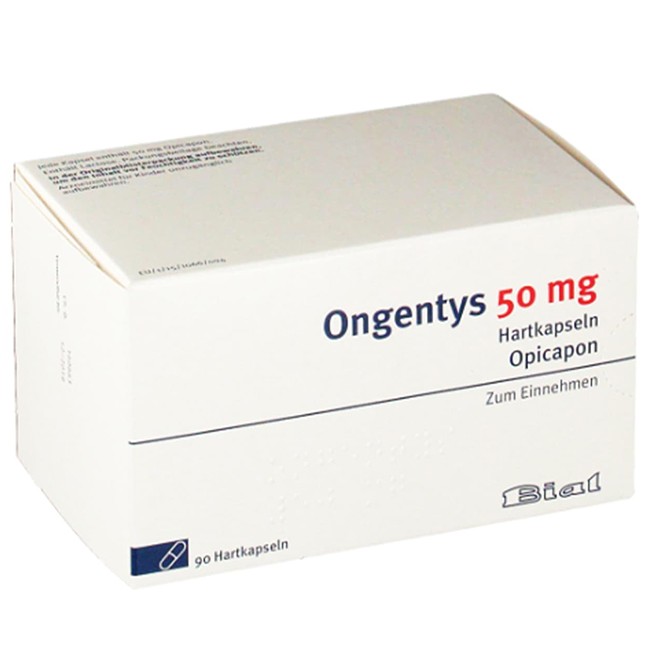
Opicapone(Ongentys)
Opicapone(Ongentys)
Adjunctive treatment to levodopa/carbidopa for reducing "off" episodes in...
Deflazacort(Emflaza)
Treatment of Duchenne muscular dystrophy (DMD) in patients aged 2 years and...
Faricimab-svoa(Vabysmo)
Treatment of neovascular age-related macular degeneration, diabetic macular...
Counselling Service
Global Drug Search
Clinical Research Recruitment
Overseas Medical Treatment
Remote Consultations
Note: Our medical consultant will contact you as soon as possible. We promise to strictly protect your privacy.
Submit
Business
  • Core products
  • Antitumor drugs
  • General drug
  • Antiviral drugs
  • Biological agents
Contact Us 
  • haiousales@gmail.com
Welcome to consult
Seagull Pharmacy.,Ltd All rights reserved