info@seagull-health.com
SeagullHealth
语言:
search
new
Common Side Effects of Cinacalcet
506
Article source: Seagull Pharmacy
May 08, 2026

While effectively reducing parathyroid hormone and blood calcium, cinacalcet may also cause a range of adverse reactions.

Common Side Effects of Cinacalcet

1. Gastrointestinal Reactions (most common)

(1) Clinical data show an incidence of nausea of approximately 29%-31%, and vomiting of approximately 25%-27%.

(2) In patients with parathyroid carcinoma or severe primary hyperparathyroidism, nausea can reach 63% and vomiting 46%.

(3) These reactions often occur early in treatment, and some patients may develop tolerance over time.

2. Hypocalcemia (most concerning)

(1) Cinacalcet lowers blood calcium to exert its effect, but excessive reduction can be dangerous.

(2) Among dialysis patients, 66% develop blood calcium below 8.4 mg/dL, and 11%-33% develop severe hypocalcemia below 7.5 mg/dL.

(3) Symptoms include: perioral and extremity numbness, muscle cramps, tetany (muscle spasms), seizures, palpitations (prolonged QT interval can lead to arrhythmias). Severe cases can be fatal.

3. Other Common Reactions

Diarrhea, myalgia, dizziness, headache, loss of appetite, fatigue, upper gastrointestinal bleeding: although rare (incidence<1%), risk is higher in patients with a history of gastritis or ulcers.

4. Rare but Serious Side Effects

(1) Seizures: incidence 1.4% in treatment group vs. 0.7% in placebo group.

(2) Hypotension, worsening heart failure, arrhythmias: more common in patients with pre-existing cardiac dysfunction.

(3) Adynamic bone disease: may occur when iPTH is oversuppressed to below 100 pg/mL.

Ways to Alleviate Side Effects

1. For Nausea and Vomiting

(1) Take with or immediately after a meal: Taking on an empty stomach worsens gastric irritation and reduces efficacy (plasma concentration decreases by 50%-68%).

(2) Swallow whole, do not chew or crush: Breaking or crushing the tablet destroys the coating and increases gastrointestinal irritation.

(3) Dose adjustment: If reactions are severe, consult your doctor about dose adjustment or starting from a lower initial dose.

(4) Short-term use of antiemetics: such as metoclopramide, only under medical guidance.

2. For Hypocalcemia

(1) Monitor first: Measure blood calcium before treatment and within one week after each dose adjustment. During maintenance, measure monthly.

(2) Supplement calcium and vitamin D: When blood calcium decreases but is not yet severe, increase oral calcium tablets, calcium-based phosphate binders, or vitamin D preparations.

(3) Adjust dialysate calcium concentration: Dialysis patients may discuss with their doctor to increase dialysate calcium concentration appropriately.

(4) Pause or reduce dose: When blood calcium falls below 7.5 mg/dL or hypocalcemia symptoms persist, cinacalcet should be paused. Restart at a lower dose after blood calcium returns above 8.0 mg/dL.

(5) Emergency treatment: Seek immediate medical attention if tetany or severe arrhythmias occur; intravenous calcium may be needed.

3. For Risk of Gastrointestinal Bleeding

(1) Inform your doctor if you have a history of gastric disease: The doctor may prescribe prophylactic gastric mucosal protectants (e.g., proton pump inhibitors).

(2) Watch for black stools, hematemesis, abdominal pain: Seek immediate medical attention if any signs of gastrointestinal bleeding appear.

4. For Seizures and Arrhythmias

(1) Measure blood calcium and ECG: The most fundamental prevention of hypocalcemia-induced arrhythmias and seizures is to maintain blood calcium within the normal range.

(2) Close monitoring for patients with a history of seizures or prolonged QT interval.

Storage Requirements

1. Temperature Requirements

Store at 25°C (77°F); excursions permitted between 15°C and 30°C (59°F to 86°F). Avoid high temperatures. Do not store in the bathroom, near a kitchen stove, or in a car exposed to summer sun.

2. Other Precautions

(1) Keep in the original container with the lid tightly closed to protect from moisture.

(2) Protect from light: The original opaque bottle provides adequate light protection.

(3) Keep out of reach of children.

(4) Do not refrigerate; low temperatures may cause moisture absorption or coating cracks.

(5) Expired or unused medication: Consult a pharmacist for proper disposal. Do not discard arbitrarily or flush down the drain.

Note: For internal discussion among medical personnel only. For specific medication, please consult the attending physician. Drug information may change over time. For the latest information, we recommend adding a medical consultant or consulting for free online.
Recommended Articles
Dosage and Administration of Cinacalcet
The efficacy and safety of cinacalcet are highly dependent on correct usage and dosage.Dosage and Administration of Cinacalcet1. Basic Dosing Principles(1) Take with or immediately after a meal, swall...
Overview of Common Side Effects of Alectinib
Alectinib is highly effective in treating ALK-positive lung cancer, but various side effects may occur during treatment.Overview of Common Side Effects of Alectinib 1. Hepatotoxicity:Manifes...
Indications of Alectinib
Alectinib is an anaplastic lymphoma kinase (ALK) inhibitor indicated for the treatment of ALK-positive non-small cell lung cancer (NSCLC).Indications of Alectinib 1.1 Adjuvant treatment:(1) ...
Indications: Only for Clostridioides difficile-associated diarrhea
Fidaxomicin (Dificid) is a macrolide antibiotic specifically indicated for Clostridioides difficile-associated diarrhea, acting locally in the intestine with minimal systemic absorption.Indications: O...
Temsirolimus: Indications, Contraindications, and Medication Guidelines for Special Populations
Temsirolimus is an mTOR inhibitor used for the treatment of certain types of advanced renal cell carcinoma.I. Indications1. Temsirolimus is indicated for the treatment of advanced renal cell carcinoma...
Temsirolimus: Side Effect Management and Storage Guidelines
While treating advanced renal cell carcinoma, Temsirolimus may cause various side effects. Understanding these adverse reactions and their management, as well as mastering correct storage conditions, ...
Common Side Effects of Imiquimod
Imiquimod cream works by activating local immune responses, but it often causes skin and systemic reactions.I. Common Side Effects1. Local Skin Reactions(1) Almost every user experiences local reactio...
Imiquimod Cream: Indications, Contraindications, and Use in Special Populations
Imiquimod cream is a topical immune response modifier primarily used for the treatment of external genital/perianal warts and actinic keratosis.I. Indications1. Condylomata Acuminata (External Genital...
Related Articles
Side Effects, Management and Storage Guidelines for Sacubitril/Valsartan Sodium Tablets (Entresto)
Sacubitril/valsartan sodium tablets are highly effective in treating heart failure and hypertension, but like all medications, they may also cause some side effects.I. What are the common side effects...
Sacubitril Valsartan Sodium Tablets (Entresto): Indications, Contraindications, and Use in Special Populations
Sacubitril/Valsartan sodium tablets are indicated for chronic heart failure in adults and children, as well as for hypertension in adults. However, a thorough evaluation of contraindications and speci...
Tenapanor (Xphozah) Medication Guide: Dosage, Precautions, and Healthy Living
Tenapanor (Xphozah) is used to lower serum phosphorus in adult dialysis patients and must be strictly used according to the dosage and administration instructions.I. Dosage and Administration1. Recomm...
Xphozah (Tinapano) Side Effect Management and Storage Guidelines
Tenapanor (Xphozah) is used to lower serum phosphorus in dialysis patients, with the most common side effect being diarrhea. Correctly identifying side effects, mastering mitigation methods, and stori...
Side Effects, Mitigation Methods and Storage Guidelines for Lecanemab (Leqembi)
Lecanemab (Leqembi) can cause various side effects while treating early Alzheimer's disease.I. What are the common side effects?1. Infusion-related reactions(1) Occur in approximately 26% of patie...
Dosage and Administration, Precautions, and Healthy Lifestyle for Lecanemab (Leqembi)
Lecanemab (Leqembi) must be used under professional medical guidance. Adherence to prescribed medication and a healthy lifestyle can better ensure treatment efficacy and safety.I. Dosage and Administr...
What are the side effects of Urocalun?
Urocalun, a commonly used drug to promote the expulsion of kidney and ureteral stones, has a good overall safety profile but may still cause some side effects.I. What are the side effects of Urocalun?...
Urocalun: Indications, Contraindications, and Medication Precautions for Special Populations
Urocalun is a urinary calculus therapeutic agent extracted from the leaves and branches of Quercus stenophylla. Clarifying its indications, contraindications, and special population precautions is ess...
New Drugs
Infigratinib(Truseltiq)
Treatment of previously treated, unresectable locally advanced or metastatic...
Opicapone(Ongentys)
Opicapone(Ongentys)
Adjunctive treatment to levodopa/carbidopa for reducing "off" episodes in...
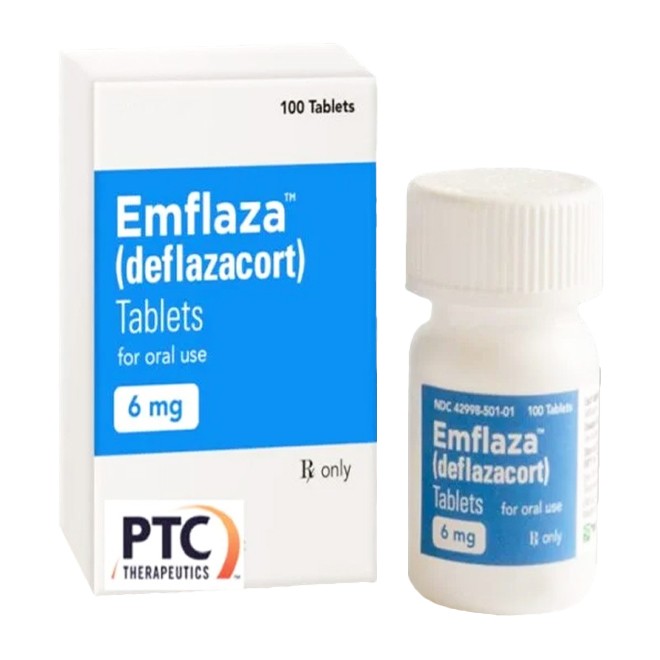
Deflazacort(Emflaza)
Treatment of Duchenne muscular dystrophy (DMD) in patients aged 2 years and...
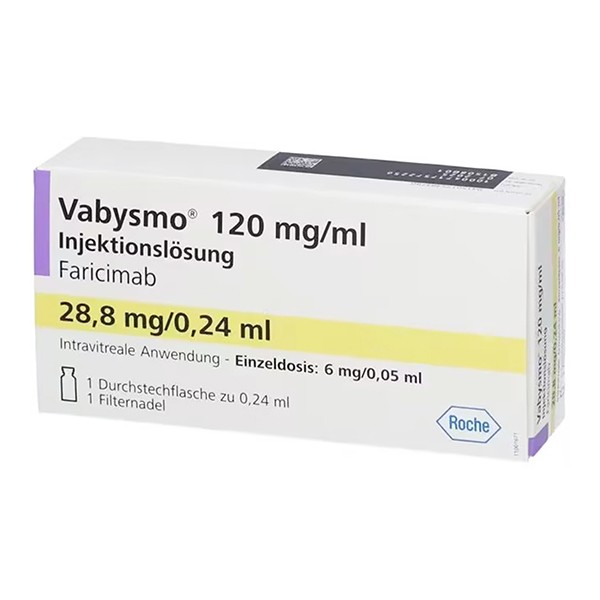
Faricimab-svoa(Vabysmo)
Treatment of neovascular age-related macular degeneration, diabetic macular...
Counselling Service
Global Drug Search
Clinical Research Recruitment
Overseas Medical Treatment
Remote Consultations
Note: Our medical consultant will contact you as soon as possible. We promise to strictly protect your privacy.
Submit
Business
  • Core products
  • Antitumor drugs
  • General drug
  • Antiviral drugs
  • Biological agents
Contact Us 
  • haiousales@gmail.com
Welcome to consult
Seagull Pharmacy.,Ltd All rights reserved