info@seagull-health.com
SeagullHealth
语言:
search
new
A Complete Analysis of Side Effects and Storage of Stomin, a Japanese Tinnitus Relief Medication
507
Article source: Seagull Pharmacy
May 13, 2026

As a commonly used clinical tinnitus treatment in Japan, Stomin has a good overall safety profile, but adverse reactions may still occur.

I. What are the side effects of Stomin?

1. Digestive system side effects

(1) The most common are gastrointestinal reactions.

(2) Reported in clinical trials: loss of appetite (2 cases), heartburn (2 cases).

2. Nervous system side effects

Possible: dizziness (1 case), drowsiness, headache.

3. Circulatory system side effects

(1) Include: palpitations, increased blood pressure.

(2) Clinical trial reported palpitations (1 case).

4. Allergic and skin reactions

(1) Rash.

(2) Facial flushing.

(3) Sweating.

5. Liver-related side effects

(1) Allergic liver injury may occur, frequency unknown.

(2) Although rare, caution is required.

(3) If fatigue, extreme loss of appetite, dark urine, or yellowing of the skin or eyes occur during treatment, seek immediate medical examination of liver function.

II. How to alleviate side effects

1. Alleviating gastrointestinal reactions

(1) Loss of appetite, heartburn: Take the medication immediately after meals. Avoid taking on an empty stomach. Choose light, easily digestible foods and avoid greasy, spicy foods.

(2) Constipation, dry mouth: Increase water intake (1.5-2 L per day); consume foods rich in dietary fiber (vegetables, fruits, whole grains); gentle abdominal massage.

(3) Epigastric pain: If it persists, consult a doctor; dose reduction or discontinuation may be necessary.

2. Managing dizziness and drowsiness

(1) Avoid driving, operating precision machinery, or working at heights during treatment.

(2) If dizziness occurs, sit or lie down immediately to prevent falls.

(3) If symptoms are significant, the bedtime dose may be adjusted (under medical guidance).

3. Managing palpitations and increased blood pressure

If significant palpitations, rapid heartbeat, or dizziness occur, immediately:

(1) Stop activity and rest quietly for 15-30 minutes.

(2) Measure blood pressure and pulse.

(3) If symptoms persist or worsen, discontinue the drug and seek medical attention.

4. Managing allergic reactions

When rash or facial flushing appears:

(1) Mild reaction: Usually resolves after stopping the drug.

(2) Severe reaction (widespread rash, severe itching, difficulty breathing): Stop the drug immediately and seek emergency care.

5. Monitoring and managing liver injury

Because the frequency of liver injury is unknown and may be serious, it is recommended to:

(1) Check liver function (ALT/AST) before starting treatment.

(2) For long-term users, repeat every 1-3 months.

(3) If symptoms suggestive of liver injury appear, discontinue the drug immediately and seek medical attention.

III. Storage requirements for Stomin

1. Basic storage conditions

(1) After removing from the PTP sheet: Protect from light and moisture. Light can cause the drug to discolor over time.

(2) When unopened: The original packaging (PTP sheet) provides some protection, but still store in a dry, cool place.

2. Temperature and humidity requirements

(1) Store at room temperature, avoid high temperatures.

(2) Relative humidity preferably below 60-65%.

(3) Do not store in humid environments such as bathrooms or kitchens.

3. Light protection requirements

Light can discolor the drug and potentially reduce efficacy. It is recommended to:

(1) Store in the original carton or an opaque bottle.

(2) Avoid direct sunlight, keep away from windowsills and strong light sources.

Note: For internal discussion among medical personnel only. For specific medication, please consult the attending physician. Drug information may change over time. For the latest information, we recommend adding a medical consultant or consulting for free online.
Recommended Articles
Usage, Precautions and Healthy Living Guidelines for Japanese Tinnitus Relief Agent (Stomin)
This is a commonly prescribed therapeutic drug for tinnitus in Japan. Mastering the correct usage and dosage, understanding precautions, and adopting a healthy lifestyle can help improve efficacy and ...
Side effects, relief methods and storage requirements of Acotiamide (Acofide)
Acofide has shown good safety in clinical trials, but some users may still experience adverse reactions.I. What are the side effects of Acofide?1. Common side effects (incidence ≥1%)According to Japan...
Dosage and Administration, Precautions, and Healthy Lifestyle for Acofide (Acotiamide)
Correct use of acotiamide is key to ensuring efficacy and safety.I. Dosage and Administration1. Standard Dosage(1) The standard adult dosage is 100 mg once, three times a day, taken orally before meal...
Imiquimod Cream: Indications, Contraindications, and Use in Special Populations
Imiquimod cream is a topical immune response modifier primarily used for the treatment of external genital/perianal warts and actinic keratosis.I. Indications1. Condylomata Acuminata (External Genital...
Accommodation Function Improvement Eye Drops (Sancoba Eye Drops): Usage, Precautions and Healthy Lifestyle
This article systematically introduces the usage, dosage, precautions, and supportive healthy lifestyle measures for the ophthalmic solution for improving accommodative function (Sancoba eye drops), h...
Ophthalmic Solution for Improving Regulatory Function (Sancoba Ophthalmic Solution) Side Effects, Countermeasures and Storage Guidelines
This article details the known side effects, relief measures, and storage requirements of Sancoba ophthalmic solution (a ciliary function-improving eye drop) to help users use this product safely and ...
Pomalidomide: Side Effects, Mitigation Methods and Storage Guidelines
Pomalidomide has clear efficacy in the treatment of multiple myeloma and Kaposi sarcoma, but is also associated with various adverse reactions.I. Common side effects of pomalidomide1. Hematologic toxi...
Indications, Contraindications and Medication Guidelines for Special Populations of Pomalidomide
Pomalidomide is a potent immunomodulatory agent used for the treatment of specific hematologic malignancies and sarcomas.I. Indications for Pomalidomide1. Multiple MyelomaPomalidomide in combination w...
Related Articles
Side Effects, Management and Storage Guidelines for Sacubitril/Valsartan Sodium Tablets (Entresto)
Sacubitril/valsartan sodium tablets are highly effective in treating heart failure and hypertension, but like all medications, they may also cause some side effects.I. What are the common side effects...
Sacubitril Valsartan Sodium Tablets (Entresto): Indications, Contraindications, and Use in Special Populations
Sacubitril/Valsartan sodium tablets are indicated for chronic heart failure in adults and children, as well as for hypertension in adults. However, a thorough evaluation of contraindications and speci...
Tenapanor (Xphozah) Medication Guide: Dosage, Precautions, and Healthy Living
Tenapanor (Xphozah) is used to lower serum phosphorus in adult dialysis patients and must be strictly used according to the dosage and administration instructions.I. Dosage and Administration1. Recomm...
Xphozah (Tinapano) Side Effect Management and Storage Guidelines
Tenapanor (Xphozah) is used to lower serum phosphorus in dialysis patients, with the most common side effect being diarrhea. Correctly identifying side effects, mastering mitigation methods, and stori...
Side Effects, Mitigation Methods and Storage Guidelines for Lecanemab (Leqembi)
Lecanemab (Leqembi) can cause various side effects while treating early Alzheimer's disease.I. What are the common side effects?1. Infusion-related reactions(1) Occur in approximately 26% of patie...
Dosage and Administration, Precautions, and Healthy Lifestyle for Lecanemab (Leqembi)
Lecanemab (Leqembi) must be used under professional medical guidance. Adherence to prescribed medication and a healthy lifestyle can better ensure treatment efficacy and safety.I. Dosage and Administr...
What are the side effects of Urocalun?
Urocalun, a commonly used drug to promote the expulsion of kidney and ureteral stones, has a good overall safety profile but may still cause some side effects.I. What are the side effects of Urocalun?...
Urocalun: Indications, Contraindications, and Medication Precautions for Special Populations
Urocalun is a urinary calculus therapeutic agent extracted from the leaves and branches of Quercus stenophylla. Clarifying its indications, contraindications, and special population precautions is ess...
New Drugs
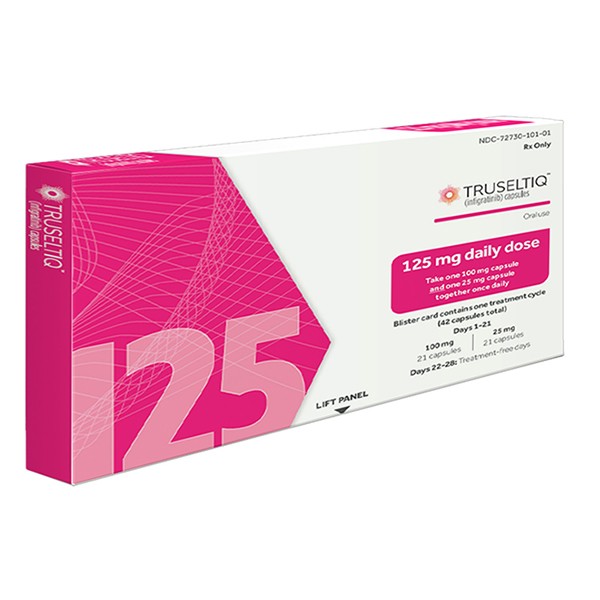
Infigratinib(Truseltiq)
Treatment of previously treated, unresectable locally advanced or metastatic...
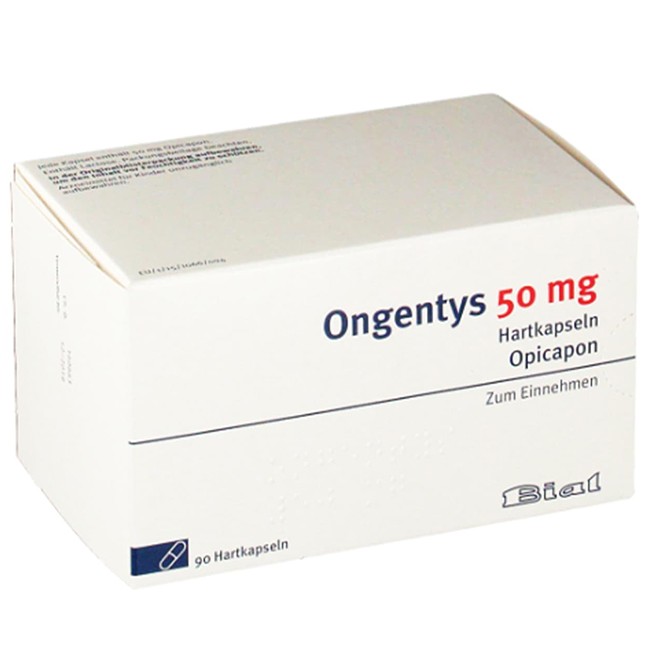
Opicapone(Ongentys)
Opicapone(Ongentys)
Adjunctive treatment to levodopa/carbidopa for reducing "off" episodes in...
Deflazacort(Emflaza)
Treatment of Duchenne muscular dystrophy (DMD) in patients aged 2 years and...
Faricimab-svoa(Vabysmo)
Treatment of neovascular age-related macular degeneration, diabetic macular...
Counselling Service
Global Drug Search
Clinical Research Recruitment
Overseas Medical Treatment
Remote Consultations
Note: Our medical consultant will contact you as soon as possible. We promise to strictly protect your privacy.
Submit
Business
  • Core products
  • Antitumor drugs
  • General drug
  • Antiviral drugs
  • Biological agents
Contact Us 
  • haiousales@gmail.com
Welcome to consult
Seagull Pharmacy.,Ltd All rights reserved