

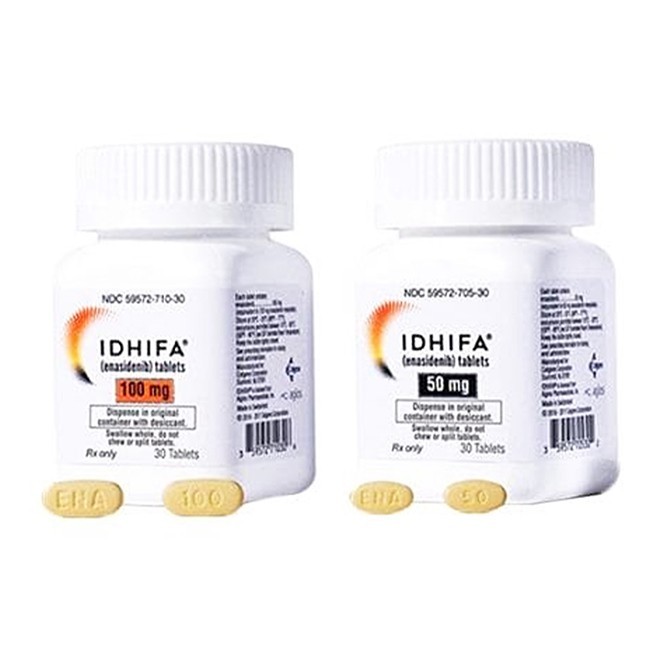
While treating IDH2-mutant acute myeloid leukemia (AML), enasidenib may cause various adverse reactions.
I. Common Side Effects of Enasidenib
1. Adverse Reactions with an Incidence Rate ≥ 20%
Based on clinical trial data in patients with relapsed/refractory AML, the most common side effects of enasidenib include nausea, diarrhea, vomiting, decreased appetite, and elevated bilirubin.
2. Severe and High-Alert Side Effects
(1) Differentiation Syndrome: May be fatal. Symptoms include dyspnea/hypoxia, pulmonary infiltrates, pleural effusion, renal impairment, fever, bone pain, and rapid weight gain with peripheral edema. Onset may occur as early as 1 day or as late as 5 months after treatment initiation.
(2) Non-infectious leukocytosis: High incidence, with white blood cell count potentially exceeding 30×10⁹/L.
(3) Tumor lysis syndrome: High incidence, characterized by elevated uric acid and electrolyte disturbances.
3. Other Clinically Significant Side Effects
(1) Laboratory abnormalities: Decreased serum calcium, decreased serum potassium, decreased serum phosphorus.
(2) Others: Dysgeusia, pulmonary edema, acute respiratory distress syndrome, and prolonged QT interval.
II. Methods for Alleviating Side Effects
1. Management of Differentiation Syndrome
(1) If suspected, immediately initiate dexamethasone 10 mg every 12 hours (orally or intravenously), with concurrent hemodynamic monitoring.
(2) Taper the dose gradually after symptom improvement; premature discontinuation may lead to recurrence.
(3) If severe pulmonary symptoms requiring intubation or ventilatory support and/or renal dysfunction persist 48 hours after corticosteroid administration, interrupt enasidenib. Treatment may be resumed once symptoms improve to Grade ≤ 2.
(4) Close inpatient monitoring is recommended.
2. Management of Non-infectious Leukocytosis
(1) Administer hydroxyurea per standard protocol when white blood cell count > 30×10⁹/L.
(2) If hydroxyurea is ineffective, interrupt enasidenib. Resume treatment at 100 mg once daily once the white blood cell count falls below 30×10⁹/L.
3. Management of Elevated Bilirubin
(1) If bilirubin > 3× upper limit of normal (ULN) for ≥ 2 weeks without elevated transaminases or other evidence of liver disease, reduce the dose to 50 mg once daily.
(2) Once bilirubin decreases to < 2× ULN, the dose may be resumed to 100 mg once daily.
Note: Elevated bilirubin is mostly caused by UGT1A1 inhibition rather than liver injury, but monitoring is still required.
4. Alleviation of Nausea, Vomiting, Diarrhea, and Decreased Appetite
(1) Nausea/vomiting: Take with food to reduce gastrointestinal discomfort; use antiemetics (e.g., ondansetron) if necessary.
(2) Diarrhea: Supplement fluids and electrolytes; avoid high-fiber or greasy foods; use loperamide as prescribed for severe cases.
(3) Decreased appetite: Eat small, frequent meals and choose nutrient-dense foods.
(4) Dysgeusia: Try different seasonings and rinse the mouth before eating.
5. Prevention of Tumor Lysis Syndrome
(1) Monitor blood biochemistry before treatment and every 2 weeks for at least the first 3 months. Encourage adequate fluid intake to maintain high urine output.
(2) Administer allopurinol or rasburicase per standard protocol if hyperuricemia occurs.
III. Storage Conditions for Enasidenib
1. Temperature Requirement
Store at room temperature between 20°C and 25°C (68°F and 77°F).
2. Moisture Protection Measures
(1) Must be kept in the original bottle containing a desiccant canister.
(2) Tightly close the bottle cap immediately after each use to prevent moisture ingress.
(3) Do not transfer tablets to other containers (e.g., pill boxes) for long-term storage.

Free Inquiry