info@seagull-health.com
SeagullHealth
语言:
search
new
Dosage and Administration of Epalrestat: Recommended Dosage
513
Article source: Seagull Pharmacy
Nov 14, 2025

Epalrestat is a selective aldose reductase inhibitor. Since its approval in Japan in 1992, it has become an important therapeutic agent for diabetic peripheral neuropathy.

Dosage and Administration of Epalrestat: Recommended Dosage

Routine Dosing Regimen

The recommended dosage for adults is usually 50 mg (1 tablet) per dose, three times a day, to be taken orally before each meal.

The drug is in the form of white film-coated tablets, with a diameter of 6.7 mm, a thickness of 3.9 mm, and a weight of approximately 120 mg. The surface of each tablet is engraved with the identification code "NF611".

Administration Precautions

It is particularly emphasized that the drug is packaged in PTP (Press-Through Package) aluminum foil, and the tablets must be removed from the packaging before administration.

If the aluminum foil blister is accidentally swallowed, its rigid sharp edges may damage the esophageal mucosa; in severe cases, this can lead to esophageal perforation and concurrent mediastinitis.

During the medication period, urine may appear yellowish-brown or red. This phenomenon may interfere with the accuracy of qualitative test results for urinary bilirubin and ketone bodies.

Dosage Adjustment of Epalrestat

Principles of Individualized Adjustment

In clinical practice, the dosage should be appropriately adjusted based on the patient’s age and the severity of symptoms.

For elderly patients or those with mild symptoms, it is advisable to start with a lower dose and gradually adjust to the optimal therapeutic dose.

Efficacy Evaluation and Regimen Optimization

Changes in the patient’s condition should be closely monitored during treatment.

If no significant therapeutic effect is observed after 12 consecutive weeks of medication, it is recommended to re-evaluate the diagnosis and consider switching to another treatment regimen.

The efficacy of Epalrestat has not been established in diabetic patients with irreversible organic lesions, and the drug should be used with caution in such cases.

Use of Epalrestat in Special Populations

Pregnant and Lactating Women

Pregnant women or women who may become pregnant should use this drug only when the clear therapeutic benefits outweigh the potential risks.

Lactating women should comprehensively assess the necessity of treatment and decide whether to continue breastfeeding or discontinue the drug.

Animal studies have shown that the drug can be excreted in breast milk, so the benefits and risks must be carefully weighed.

Children and Patients with Hepatic or Renal Impairment

No clinical trials in children have been conducted so far; the efficacy of the drug in children has not been established, and its use in this population is not recommended.

The package insert does not provide clear guidance for patients with renal impairment.

Special attention should be paid to patients with hepatic impairment: since liver dysfunction is a known side effect of this drug, liver function indicators should be closely monitored during the medication period.

Populations in Special Physiological States

For men and women of reproductive potential, the package insert does not specify precautions for medication use. Clinical use should be based on individual conditions and decided with caution.


Note: For internal discussion among medical personnel only. For specific medication, please consult the attending physician. Drug information may change over time. For the latest information, we recommend adding a medical consultant or consulting for free online.
Recommended Articles
What Are the Indications of Epalrestat?
Epalrestat is an aldose reductase inhibitor that holds an important position in the treatment of diabetic complications. Since its first approval in Japan in 1992, it has become one of the key medicat...
Procurement Channels for Epalrestat
Epalrestat is an aldose reductase inhibitor that was first approved in Japan in 1992. It is mainly used for the treatment of diabetic peripheral neuropathy. Its mechanism of action involves inhibiting...
What Are the Precautions for Taking Dimemorfan Phosphate Tablets (Astomin)?
Dimemorfan Phosphate Tablets (Astomin) are a type of non-narcotic central antitussive. Since its first approval in Japan in 1975, it has been widely used to relieve cough symptoms in adults due to its...
What Are the Indications of Dimemorfan Phosphate Tablets (Astomin)?
Dimemorfan Phosphate Tablets (Astomin) are non-narcotic central antitussives. Owing to their low side effects and low addictiveness, they exhibit unique value in clinical practice.What Are the Indicat...
What are the Precautions for Taking Epalrestat?
Epalrestat is an aldose reductase inhibitor. Since its approval in Japan in 1992, it has been widely used as an adjuvant treatment for diabetic peripheral neuropathy.What are the Precautions for Takin...
What Are the Side Effects of Epalrestat?
Epalrestat is a selective aldose reductase inhibitor. Since its approval in Japan in 1992, it has been mainly used for the treatment of diabetic peripheral neuropathy. Similar to other medications, Ep...
Purchase Channels for Qutenza (Capsaicin Patch)
Qutenza (Capsaicin Patch) is a topical patch containing 8% capsaicin, classified as a TRPV1 channel agonist. In July 2020, this medication was approved by the U.S. FDA for the treatment of foot neural...
What Are the Indications for Qutenza (Capsaicin Patch)?
Qutenza (Capsaicin Patch) is a therapeutic medication approved by the U.S. Food and Drug Administration (FDA), providing an innovative treatment option for patients with specific types of neuropathic ...
Related Articles
Side Effects, Management and Storage Guidelines for Sacubitril/Valsartan Sodium Tablets (Entresto)
Sacubitril/valsartan sodium tablets are highly effective in treating heart failure and hypertension, but like all medications, they may also cause some side effects.I. What are the common side effects...
Sacubitril Valsartan Sodium Tablets (Entresto): Indications, Contraindications, and Use in Special Populations
Sacubitril/Valsartan sodium tablets are indicated for chronic heart failure in adults and children, as well as for hypertension in adults. However, a thorough evaluation of contraindications and speci...
Tenapanor (Xphozah) Medication Guide: Dosage, Precautions, and Healthy Living
Tenapanor (Xphozah) is used to lower serum phosphorus in adult dialysis patients and must be strictly used according to the dosage and administration instructions.I. Dosage and Administration1. Recomm...
Xphozah (Tinapano) Side Effect Management and Storage Guidelines
Tenapanor (Xphozah) is used to lower serum phosphorus in dialysis patients, with the most common side effect being diarrhea. Correctly identifying side effects, mastering mitigation methods, and stori...
Side Effects, Mitigation Methods and Storage Guidelines for Lecanemab (Leqembi)
Lecanemab (Leqembi) can cause various side effects while treating early Alzheimer's disease.I. What are the common side effects?1. Infusion-related reactions(1) Occur in approximately 26% of patie...
Dosage and Administration, Precautions, and Healthy Lifestyle for Lecanemab (Leqembi)
Lecanemab (Leqembi) must be used under professional medical guidance. Adherence to prescribed medication and a healthy lifestyle can better ensure treatment efficacy and safety.I. Dosage and Administr...
What are the side effects of Urocalun?
Urocalun, a commonly used drug to promote the expulsion of kidney and ureteral stones, has a good overall safety profile but may still cause some side effects.I. What are the side effects of Urocalun?...
Urocalun: Indications, Contraindications, and Medication Precautions for Special Populations
Urocalun is a urinary calculus therapeutic agent extracted from the leaves and branches of Quercus stenophylla. Clarifying its indications, contraindications, and special population precautions is ess...
New Drugs
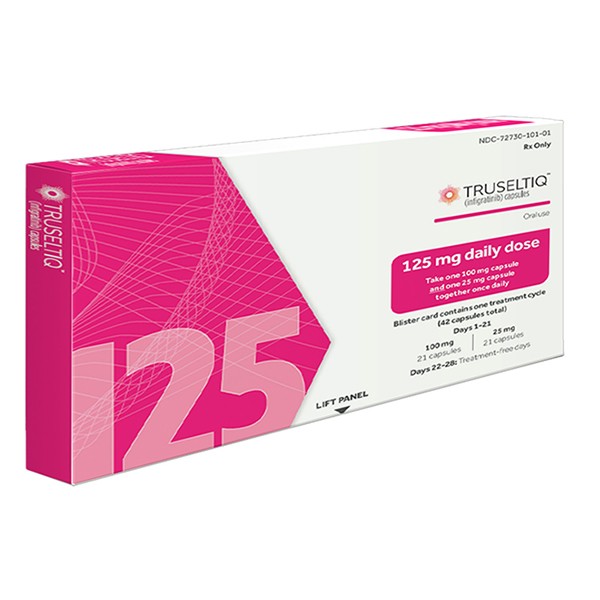
Infigratinib(Truseltiq)
Treatment of previously treated, unresectable locally advanced or metastatic...
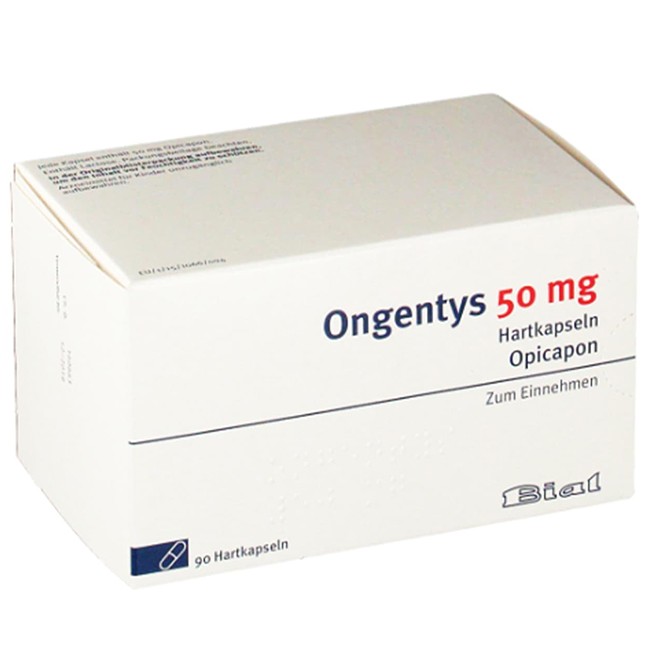
Opicapone(Ongentys)
Opicapone(Ongentys)
Adjunctive treatment to levodopa/carbidopa for reducing "off" episodes in...
Deflazacort(Emflaza)
Treatment of Duchenne muscular dystrophy (DMD) in patients aged 2 years and...
Faricimab-svoa(Vabysmo)
Treatment of neovascular age-related macular degeneration, diabetic macular...
Counselling Service
Global Drug Search
Clinical Research Recruitment
Overseas Medical Treatment
Remote Consultations
Note: Our medical consultant will contact you as soon as possible. We promise to strictly protect your privacy.
Submit
Business
  • Core products
  • Antitumor drugs
  • General drug
  • Antiviral drugs
  • Biological agents
Contact Us 
  • haiousales@gmail.com
Welcome to consult
Seagull Pharmacy.,Ltd All rights reserved