info@seagull-health.com
SeagullHealth
语言:
search
new
What Are the Precautions for Taking Dimemorfan Phosphate Tablets (Astomin)?
511
Article source: Seagull Pharmacy
Nov 14, 2025

Dimemorfan Phosphate Tablets (Astomin) are a type of non-narcotic central antitussive. Since its first approval in Japan in 1975, it has been widely used to relieve cough symptoms in adults due to its low side effects and low risk of abuse.

What Are the Precautions for Taking Dimemorfan Phosphate Tablets (Astomin)?

Dosage Form and Administration Specifications

Dimemorfan Phosphate Tablets are white sugar-coated tablets and must be swallowed whole.

It is particularly important to note that if the medication is packaged in PTP (Press-Through Package) aluminum foil, patients must be instructed to remove the tablets from the aluminum foil before taking them.

Accidental ingestion of aluminum foil may lead to severe complications such as esophageal mucosal perforation or mediastinitis, so clear warnings must be given when dispensing the medication.

Dosage and Target Population

Dosage for adults: For patients aged 15 years and above, take 1–2 tablets (equivalent to 10–20 mg of dimemorfan phosphate) orally each time, three times a day. The dosage should be adjusted according to the patient’s age and symptoms.

Special populations: Pregnant and lactating women need to weigh the therapeutic benefits against risks and use the medication only when the benefits are clear. Data on the use of this medication in patients with renal or hepatic impairment is not yet clear, so careful evaluation is required.

Prevention of Adverse Reactions

Common adverse reactions include skin rashes, dizziness, drowsiness, dry mouth, and nausea.

Before administering the medication, it is necessary to inquire about the patient’s allergy history. If a skin rash occurs, the medication must be discontinued immediately.

If fatigue or dizziness occurs after taking the medication, the patient should avoid driving or operating machinery.

A very small number of patients may experience palpitations or facial flushing, so cardiovascular reactions need to be monitored.

Medication Monitoring for Dimemorfan Phosphate Tablets (Astomin)

Efficacy and Tolerability Assessment

Cough symptom monitoring: Record changes in the frequency and severity of cough after medication administration to evaluate the antitussive effect. If symptoms do not improve within 3 days, re-diagnosis or treatment plan adjustment is required.

Observation of central nervous system reactions: Pay attention to whether the patient experiences drowsiness or weakness, especially in elderly patients, for whom regular cognitive function checks are necessary.

Safety Indicator Tracking

Allergic and skin reactions: Closely observe for signs such as skin rashes after the first dose. Although the incidence rate is not clear, this item must be a key monitoring focus.

Digestive system and metabolism: Patients taking the medication for a long time need regular liver and kidney function tests. Although the package insert does not specify related impairments, based on its metabolic characteristics (approximately 60% excretion rate in urine), potential cumulative risks must be guarded against.

Dynamic Management of Special Populations

Elderly patients: Evaluate physiological functions in each treatment course and prioritize the use of the minimum effective dose.

Pregnant and lactating women: Document the basis for medication decisions and monitor fetal development or infant feeding status.

Note: For internal discussion among medical personnel only. For specific medication, please consult the attending physician. Drug information may change over time. For the latest information, we recommend adding a medical consultant or consulting for free online.
Recommended Articles
What Are the Indications of Dimemorfan Phosphate Tablets (Astomin)?
Dimemorfan Phosphate Tablets (Astomin) are non-narcotic central antitussives. Owing to their low side effects and low addictiveness, they exhibit unique value in clinical practice.What Are the Indicat...
What Are the Side Effects of Enasidenib?
Enasidenib is a targeted medication for isocitrate dehydrogenase-2 (IDH2) mutations, indicated for adult patients with relapsed or refractory acute myeloid leukemia (AML). As a prescription-only drug,...
What are the Precautions for Taking Enasidenib?
Enasidenib is an isocitrate dehydrogenase-2 (IDH2) inhibitor that provides a targeted treatment option for patients with relapsed or refractory acute myeloid leukemia (AML).What are the Precautions fo...
Dosage and Administration of Enasidenib
Enasidenib is an isocitrate dehydrogenase-2 (IDH2) inhibitor approved by the U.S. Food and Drug Administration (FDA) for the treatment of adult patients with relapsed or refractory acute myeloid leuke...
Procurement Channels for Epalrestat
Epalrestat is an aldose reductase inhibitor that was first approved in Japan in 1992. It is mainly used for the treatment of diabetic peripheral neuropathy. Its mechanism of action involves inhibiting...
What Are the Indications of Epalrestat?
Epalrestat is an aldose reductase inhibitor that holds an important position in the treatment of diabetic complications. Since its first approval in Japan in 1992, it has become one of the key medicat...
Dosage and Administration of Epalrestat: Recommended Dosage
Epalrestat is a selective aldose reductase inhibitor. Since its approval in Japan in 1992, it has become an important therapeutic agent for diabetic peripheral neuropathy.Dosage and Administration of ...
What are the Precautions for Taking Epalrestat?
Epalrestat is an aldose reductase inhibitor. Since its approval in Japan in 1992, it has been widely used as an adjuvant treatment for diabetic peripheral neuropathy.What are the Precautions for Takin...
Related Articles
Contraindications and Special Populations of Brensocatib Tablets
The prescribing information for Brixocatib tablets indicates that there are no absolute contraindications, but careful assessment of risks and benefits is still required in patients with special physi...
Dosage and Administration of Isatuximab Injection (Sarclisa)
Sarclisa must be administered under the supervision of a healthcare professional, and the administration site must be equipped with immediately available emergency equipment and medical support to man...
Indications and Dosage of Tepotinib
Tepotinib is an oral MET tyrosine kinase inhibitor indicated for the treatment of non-small cell lung cancer harboring MET exon 14 skipping mutations.I. Indications and Patient Selection1. Applicable ...
Dosage and Administration of Zidesamtinib
Before the first administration of Ziditnib, the following baseline assessments must be completed: serum creatine phosphokinase level, electrocardiogram, blood electrolytes (potassium, magnesium, calc...
Indications and Dosage and Administration of Ripretinib
Ripretinib is a kinase inhibitor specifically indicated for adult patients with advanced gastrointestinal stromal tumors who have previously received three or more kinase inhibitors.I. Indications and...
Contraindications and Medication in Special Populations of Ripretinib
Ripretinib does not list any absolute contraindications in its prescribing information, but there are clear usage restrictions or risks for specific physiological states and populations.I. Clear Contr...
Adverse Reactions of Ripretinib
Unlike traditional inhibition that targets the active site of a single kinase, ripretinib modulates the kinase "switch" conformation to suppress aberrant kinase signaling of KIT and PDGFRA, ...
Contraindications and Medication in Special Populations of Etoricoxib
Etoricoxib is effective for pain relief, but due to its cardiovascular and gastrointestinal risks, there are clear contraindications for its use.I. Absolute contraindications: who must not use it1. Al...
New Drugs
Infigratinib(Truseltiq)
Treatment of previously treated, unresectable locally advanced or metastatic...
Opicapone(Ongentys)
Opicapone(Ongentys)
Adjunctive treatment to levodopa/carbidopa for reducing "off" episodes in...
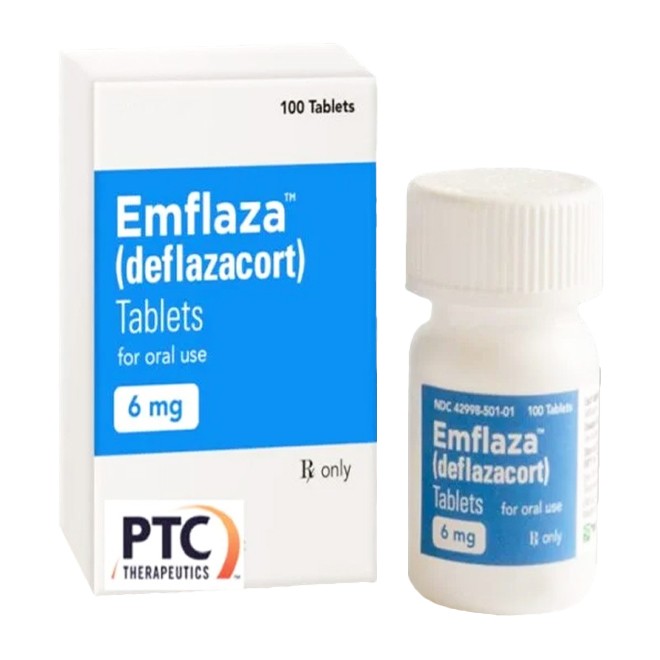
Deflazacort(Emflaza)
Treatment of Duchenne muscular dystrophy (DMD) in patients aged 2 years and...
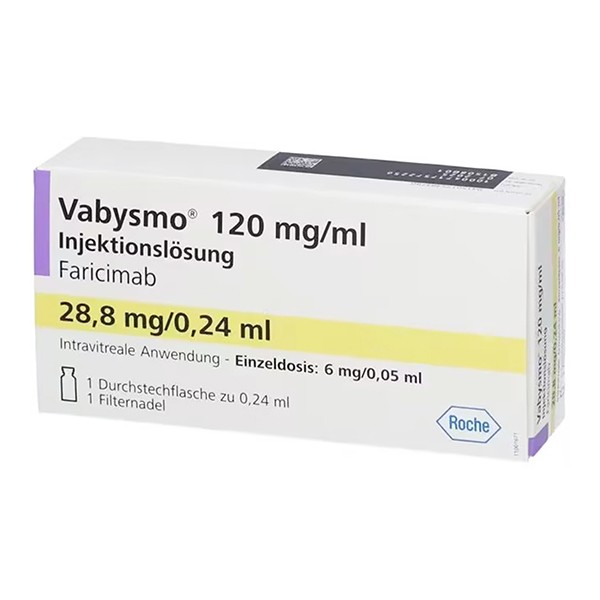
Faricimab-svoa(Vabysmo)
Treatment of neovascular age-related macular degeneration, diabetic macular...
Counselling Service
Global Drug Search
Clinical Research Recruitment
Overseas Medical Treatment
Remote Consultations
Note: Our medical consultant will contact you as soon as possible. We promise to strictly protect your privacy.
Submit
Business
  • Core products
  • Antitumor drugs
  • General drug
  • Antiviral drugs
  • Biological agents
Contact Us 
  • haiousales@gmail.com
Welcome to consult
Seagull Pharmacy.,Ltd All rights reserved