info@seagull-health.com
SeagullHealth
语言:
search
new
Adverse Reactions of Cevimeline (Saligren)
520
Article source: Seagull Pharmacy
Jan 29, 2026

Cevimeline (Saligren) is a prescription medication indicated for relieving xerostomia in patients with Sjögren's syndrome. It alleviates dry mouth discomfort by stimulating the M-type muscarinic receptors in the salivary glands to promote salivary secretion. A range of adverse reactions may occur during the administration of this medication, some of which can even be life-threatening.

Adverse Reactions of Cevimeline (Saligren)

Common Adverse Reactions

Gastrointestinal system: Nausea (with a relatively high incidence of 11.3% in long-term clinical trials), abdominal pain, diarrhea, vomiting, anorexia, etc.

Nervous system: Headache, dizziness, tremor, insomnia, somnolence, etc.

Circulatory system: Palpitations, electrocardiogram abnormalities, elevated blood pressure, tachycardia, etc.

Other: Hyperhidrosis, blurred vision, frequent micturition, elevated hepatic function markers (e.g., ALT, AST), etc.

Severe Adverse Reactions

Exacerbation of interstitial pneumonia: With an incidence of 0.2%, patients may present with symptoms such as dyspnea, cough and fever. In case of suspicion, the medication must be discontinued immediately and the patient should receive hormone therapy and other relevant treatments.

Cardiovascular events: In patients with pre-existing severe ischemic heart disease (e.g., myocardial infarction, angina pectoris), the medication may exacerbate the condition and even induce cardiac arrhythmias.

Bronchospasm: In patients with asthma or chronic obstructive pulmonary disease, it may trigger bronchoconstriction, leading to dyspnea.

Epileptic seizures: The risk of seizures is increased in patients with a history of epilepsy after medication administration.

Obstruction of the gastrointestinal and urinary systems: It may exacerbate gastrointestinal or bladder neck obstruction, resulting in pain or dysfunctio.

Precautions for Cevimeline (Saligren)

Absolute Contraindications

Patients with severe ischemic heart disease (e.g., myocardial infarction, angina pectoris).

Patients with asthma or chronic obstructive pulmonary disease.

Patients with gastrointestinal or bladder neck obstruction.

Epileptic patients.

Patients with Parkinson's disease or parkinsonism.

Patients with iritis.

Populations Requiring Cautious Use

Patients with hepatic or renal impairment: Impaired drug metabolism may lead to elevated plasma drug concentration and an increased risk of adverse reactions.

Geriatric patients: Hepatic and renal function tends to decline naturally; treatment should be initiated at a low dose with close monitoring.

Pregnant and lactating women: Use only when the therapeutic benefit outweighs the potential risk. Animal studies have shown that the drug can pass into breast milk and affect infants and young children.

Administrative and Lifestyle Precautions

Dosage and administration: The usual adult dose is 30 mg three times a day, taken orally after meals to reduce gastrointestinal irritation. Do not use the medication blindly for a long period of time; if no therapeutic effect is achieved within 4 weeks, discontinue the medication and conduct a re-evaluation.

Driving and operating machinery: Due to the potential for blurred vision or somnolence, avoid night driving or operating hazardous machinery during the medication period.

Administration method: Capsules in PTP packaging must be removed from the aluminum foil blister before taking to prevent esophageal injury caused by accidental ingestion of the packaging.

Note: For internal discussion among medical personnel only. For specific medication, please consult the attending physician. Drug information may change over time. For the latest information, we recommend adding a medical consultant or consulting for free online.
Recommended Articles
What are the Precautions for Cevimeline (Saligren) Administration?
Cevimeline (Saligren) is a medication used to alleviate xerostomia in patients with Sjögren's syndrome. As a cholinergic agonist, it promotes salivary secretion by stimulating the M-type muscarini...
Dosage and Administration, Recommended Dose of Cevimeline (Saligren)
Cevimeline (Saligren) is a medication used to relieve xerostomia in patients with Sjögren's syndrome. As a cholinergic agonist, it promotes salivary secretion by stimulating the M-type muscarinic ...
What are the indications for Cevimeline (Saligren)?
Cevimeline (Saligren) is an oral dryness-relieving medication approved in Japan for specific patient populations. It is particularly indicated for patients with Sjögren's syndrome, who experience ...
What are the purchase channels for Cevimeline (Saligren)?
Cevimeline (Saligren) is a medication used to relieve xerostomia (dry mouth) in patients with Sjögren's syndrome. For patients who need long-term treatment with this drug, understanding the legiti...
What Are the Purchase Channels for Cabergoline?
Cabergoline is a dopamine receptor agonist primarily indicated for the treatment of hyperprolactinemia and associated disorders. As a prescription medication, its purchase and administration must be s...
What are the indications for Cabergoline?
Cabergoline is a dopamine receptor agonist belonging to the class of ergot derivatives. First approved for medical use in the United States in 1996, it is primarily indicated for the treatment of spec...
Adverse Effects of Mavacamten (Camzyos)
Mavacamten (Camzyos) is a cardiac myosin inhibitor indicated for the treatment of adult patients with symptomatic New York Heart Association (NYHA) Class II-III obstructive hypertrophic cardiomyopathy...
What are the Precautions for Mavacamten (Camzyos) Administration?
Mavacamten (Camzyos) is a novel cardiac myosin inhibitor indicated for the treatment of adult patients with symptomatic obstructive hypertrophic cardiomyopathy (HCM) of New York Heart Association (NYH...
Related Articles
Contraindications and Special Populations of Brensocatib Tablets
The prescribing information for Brixocatib tablets indicates that there are no absolute contraindications, but careful assessment of risks and benefits is still required in patients with special physi...
Dosage and Administration of Isatuximab Injection (Sarclisa)
Sarclisa must be administered under the supervision of a healthcare professional, and the administration site must be equipped with immediately available emergency equipment and medical support to man...
Indications and Dosage of Tepotinib
Tepotinib is an oral MET tyrosine kinase inhibitor indicated for the treatment of non-small cell lung cancer harboring MET exon 14 skipping mutations.I. Indications and Patient Selection1. Applicable ...
Dosage and Administration of Zidesamtinib
Before the first administration of Ziditnib, the following baseline assessments must be completed: serum creatine phosphokinase level, electrocardiogram, blood electrolytes (potassium, magnesium, calc...
Indications and Dosage and Administration of Ripretinib
Ripretinib is a kinase inhibitor specifically indicated for adult patients with advanced gastrointestinal stromal tumors who have previously received three or more kinase inhibitors.I. Indications and...
Contraindications and Medication in Special Populations of Ripretinib
Ripretinib does not list any absolute contraindications in its prescribing information, but there are clear usage restrictions or risks for specific physiological states and populations.I. Clear Contr...
Adverse Reactions of Ripretinib
Unlike traditional inhibition that targets the active site of a single kinase, ripretinib modulates the kinase "switch" conformation to suppress aberrant kinase signaling of KIT and PDGFRA, ...
Contraindications and Medication in Special Populations of Etoricoxib
Etoricoxib is effective for pain relief, but due to its cardiovascular and gastrointestinal risks, there are clear contraindications for its use.I. Absolute contraindications: who must not use it1. Al...
New Drugs
Infigratinib(Truseltiq)
Treatment of previously treated, unresectable locally advanced or metastatic...
Opicapone(Ongentys)
Opicapone(Ongentys)
Adjunctive treatment to levodopa/carbidopa for reducing "off" episodes in...
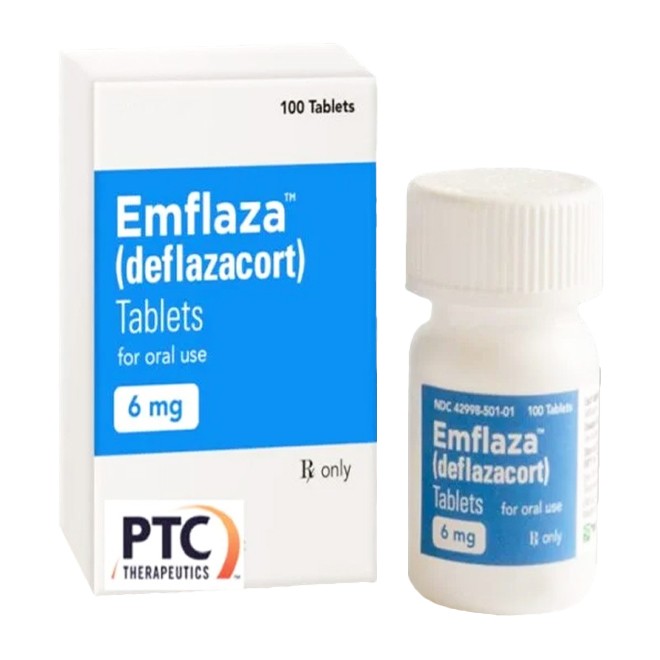
Deflazacort(Emflaza)
Treatment of Duchenne muscular dystrophy (DMD) in patients aged 2 years and...
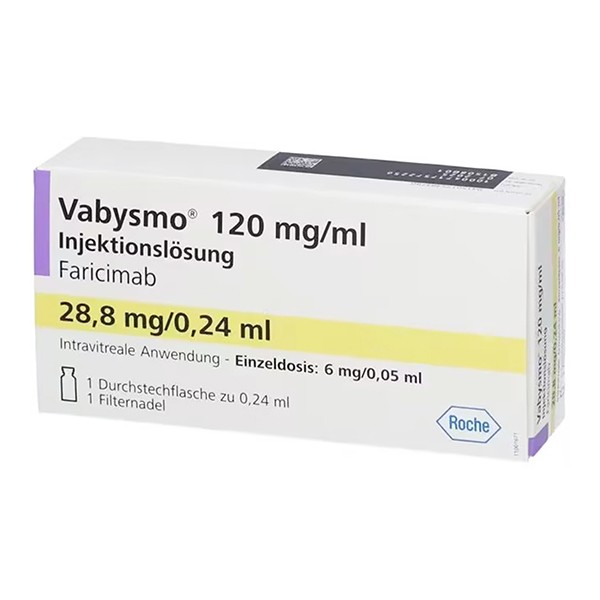
Faricimab-svoa(Vabysmo)
Treatment of neovascular age-related macular degeneration, diabetic macular...
Counselling Service
Global Drug Search
Clinical Research Recruitment
Overseas Medical Treatment
Remote Consultations
Note: Our medical consultant will contact you as soon as possible. We promise to strictly protect your privacy.
Submit
Business
  • Core products
  • Antitumor drugs
  • General drug
  • Antiviral drugs
  • Biological agents
Contact Us 
  • haiousales@gmail.com
Welcome to consult
Seagull Pharmacy.,Ltd All rights reserved