info@seagull-health.com
SeagullHealth
语言:
search
new
What are the Precautions for Cevimeline (Saligren) Administration?
505
Article source: Seagull Pharmacy
Jan 29, 2026

Cevimeline (Saligren) is a medication used to alleviate xerostomia in patients with Sjögren's syndrome. As a cholinergic agonist, it promotes salivary secretion by stimulating the M-type muscarinic receptors of the salivary glands.

What are the Precautions for Cevimeline (Saligren) Administration?

Absolute Contraindications

Patients with severe ischemic heart disease (e.g., myocardial infarction, angina pectoris): The medication may exacerbate coronary artery stenosis and lead to disease progression.

Patients with bronchial asthma and chronic obstructive pulmonary disease: It may induce bronchoconstriction and increased mucus secretion, worsening respiratory symptoms.

Patients with obstruction of the digestive tract or bladder neck: The medication may cause smooth muscle contraction and aggravate obstructive symptoms.

Epileptic patients: It may induce epileptic seizures.

Patients with Parkinsonism or Parkinson's disease: It may exacerbate related symptoms.

Patients with iritis: The medication may cause miosis and worsen inflammation.

Populations Requiring Cautious Use

Patients with comorbid diseases (e.g., interstitial pneumonia, pancreatitis, allergic enteropathy, peptic ulcer, biliary tract disease, urinary calculi, benign prostatic hyperplasia with dysuria, hyperthyroidism, systemic sclerosis): The medication may exacerbate the underlying conditions.

Patients with hepatic or renal impairment: Impaired metabolism and excretion may lead to a sustained elevation of plasma drug concentration and increased risk of adverse reactions.

Geriatric patients: Hepatic and renal function is generally declined; treatment should be initiated at a low dose with close observation.

Pregnant and lactating women: Use only when the therapeutic benefit outweighs the potential risk. Animal studies suggest the medication may affect fetal development and is excreted in breast milk; breastfeeding should be suspended during administration.

Precautions for Drug Interactions

Concomitant use with cholinergic agents (e.g., acetylcholine, neostigmine): May potentiate the cholinergic effects of both drugs and increase the risk of adverse reactions.

Concomitant use with anticholinergic agents (e.g., atropine, certain antipsychotics, tricyclic antidepressants): May antagonize the effects of cevimeline and reduce its efficacy.

Concomitant use with hepatic enzyme inhibitors (e.g., quinidine, itraconazole, erythromycin, cimetidine): May inhibit the metabolism of cevimeline, leading to elevated plasma drug concentration and increased risk of adverse reactions.

Concomitant use with hepatic enzyme inducers (e.g., phenobarbital, rifampicin): May accelerate the metabolism of cevimeline, resulting in decreased plasma drug concentration and reduced efficacy.

Monitoring for Cevimeline (Saligren) Administration

Efficacy Monitoring

Salivary secretion volume: Objective improvement assessed by quantitative testing.

Subjective symptoms: Changes in subjective feelings such as xerostomia, dysphagia, and discomfort during speech.

Objective signs: Physician's assessment of oral mucosal moisture through physical examination.

Safety Monitoring

Interstitial pneumonia: Discontinue the medication and seek medical attention immediately if the patient develops new or worsening cough, dyspnea, or fever; chest imaging examinations should be performed if necessary.

Digestive system: Closely monitor for the occurrence of nausea, abdominal pain, diarrhea, vomiting, etc., which are the most common adverse reactions. For long-term users, monitor serum amylase to alert against pancreatitis.

Cardiovascular system: Monitor heart rate and blood pressure, and watch for symptoms such as palpitations and arrhythmias.

Hepatic function: Regularly test indicators such as ALT, AST, and γ-GTP.

Renal function: Monitor urine routine, BUN, etc.

Patient Education and Self-Monitoring

Take the medication strictly after meals as prescribed to reduce gastrointestinal irritation.

Understand potential adverse reactions, especially common symptoms such as nausea and abdominal pain; seek medical attention promptly if such symptoms persist or worsen.

Record changes in personal symptoms and provide a detailed feedback to the physician during follow-up visits.


Note: For internal discussion among medical personnel only. For specific medication, please consult the attending physician. Drug information may change over time. For the latest information, we recommend adding a medical consultant or consulting for free online.
Recommended Articles
Dosage and Administration, Recommended Dose of Cevimeline (Saligren)
Cevimeline (Saligren) is a medication used to relieve xerostomia in patients with Sjögren's syndrome. As a cholinergic agonist, it promotes salivary secretion by stimulating the M-type muscarinic ...
What are the indications for Cevimeline (Saligren)?
Cevimeline (Saligren) is an oral dryness-relieving medication approved in Japan for specific patient populations. It is particularly indicated for patients with Sjögren's syndrome, who experience ...
What are the purchase channels for Cevimeline (Saligren)?
Cevimeline (Saligren) is a medication used to relieve xerostomia (dry mouth) in patients with Sjögren's syndrome. For patients who need long-term treatment with this drug, understanding the legiti...
Dosage and Administration of Futibatinib
Futibatinib is a kinase inhibitor indicated for the treatment of adult patients with previously treated, unresectable, locally advanced or metastatic intrahepatic cholangiocarcinoma who harbor fibrobl...
Adverse Reactions of Cevimeline (Saligren)
Cevimeline (Saligren) is a prescription medication indicated for relieving xerostomia in patients with Sjögren's syndrome. It alleviates dry mouth discomfort by stimulating the M-type muscarinic r...
What Are the Purchase Channels for Cabergoline?
Cabergoline is a dopamine receptor agonist primarily indicated for the treatment of hyperprolactinemia and associated disorders. As a prescription medication, its purchase and administration must be s...
What are the indications for Cabergoline?
Cabergoline is a dopamine receptor agonist belonging to the class of ergot derivatives. First approved for medical use in the United States in 1996, it is primarily indicated for the treatment of spec...
Adverse Effects of Mavacamten (Camzyos)
Mavacamten (Camzyos) is a cardiac myosin inhibitor indicated for the treatment of adult patients with symptomatic New York Heart Association (NYHA) Class II-III obstructive hypertrophic cardiomyopathy...
Related Articles
Contraindications and Special Populations of Brensocatib Tablets
The prescribing information for Brixocatib tablets indicates that there are no absolute contraindications, but careful assessment of risks and benefits is still required in patients with special physi...
Dosage and Administration of Isatuximab Injection (Sarclisa)
Sarclisa must be administered under the supervision of a healthcare professional, and the administration site must be equipped with immediately available emergency equipment and medical support to man...
Indications and Dosage of Tepotinib
Tepotinib is an oral MET tyrosine kinase inhibitor indicated for the treatment of non-small cell lung cancer harboring MET exon 14 skipping mutations.I. Indications and Patient Selection1. Applicable ...
Dosage and Administration of Zidesamtinib
Before the first administration of Ziditnib, the following baseline assessments must be completed: serum creatine phosphokinase level, electrocardiogram, blood electrolytes (potassium, magnesium, calc...
Indications and Dosage and Administration of Ripretinib
Ripretinib is a kinase inhibitor specifically indicated for adult patients with advanced gastrointestinal stromal tumors who have previously received three or more kinase inhibitors.I. Indications and...
Contraindications and Medication in Special Populations of Ripretinib
Ripretinib does not list any absolute contraindications in its prescribing information, but there are clear usage restrictions or risks for specific physiological states and populations.I. Clear Contr...
Adverse Reactions of Ripretinib
Unlike traditional inhibition that targets the active site of a single kinase, ripretinib modulates the kinase "switch" conformation to suppress aberrant kinase signaling of KIT and PDGFRA, ...
Contraindications and Medication in Special Populations of Etoricoxib
Etoricoxib is effective for pain relief, but due to its cardiovascular and gastrointestinal risks, there are clear contraindications for its use.I. Absolute contraindications: who must not use it1. Al...
New Drugs
Infigratinib(Truseltiq)
Treatment of previously treated, unresectable locally advanced or metastatic...
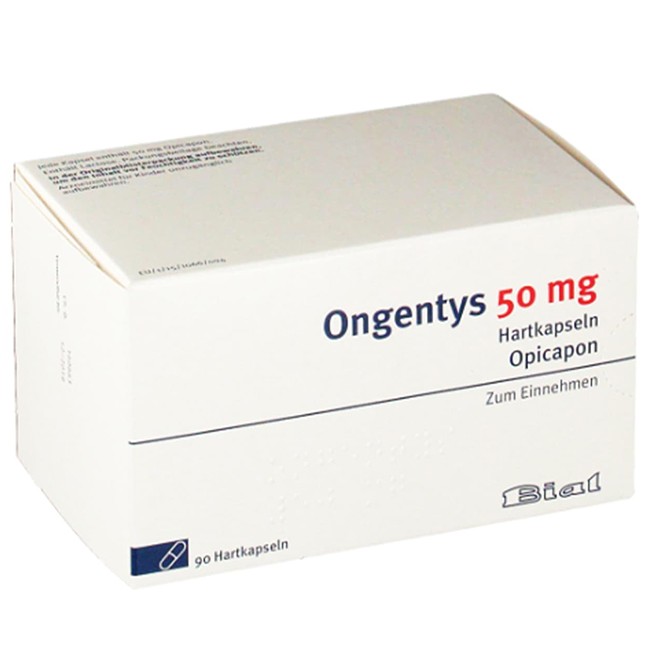
Opicapone(Ongentys)
Opicapone(Ongentys)
Adjunctive treatment to levodopa/carbidopa for reducing "off" episodes in...
Deflazacort(Emflaza)
Treatment of Duchenne muscular dystrophy (DMD) in patients aged 2 years and...
Faricimab-svoa(Vabysmo)
Treatment of neovascular age-related macular degeneration, diabetic macular...
Counselling Service
Global Drug Search
Clinical Research Recruitment
Overseas Medical Treatment
Remote Consultations
Note: Our medical consultant will contact you as soon as possible. We promise to strictly protect your privacy.
Submit
Business
  • Core products
  • Antitumor drugs
  • General drug
  • Antiviral drugs
  • Biological agents
Contact Us 
  • haiousales@gmail.com
Welcome to consult
Seagull Pharmacy.,Ltd All rights reserved