info@seagull-health.com
SeagullHealth
语言:
search
new
Dosage and Administration, Recommended Doses of Upadacitinib (Rinvoq)
515
Article source: Seagull Pharmacy
Nov 18, 2025

Upadacitinib (Rinvoq) is an oral Janus kinase (JAK) inhibitor indicated for the treatment of various immune-mediated inflammatory diseases, such as rheumatoid arthritis, psoriatic arthritis, atopic dermatitis, ulcerative colitis, Crohn's disease, ankylosing spondylitis, non-radiographic axial spondyloarthritis, polyarticular juvenile idiopathic arthritis, and giant cell arteritis.

Dosage and Administration, Recommended Doses of Upadacitinib (Rinvoq)

Dosage Forms and Administration Routes

Upadacitinib is available in two dosage forms: extended-release tablets (15mg, 30mg, 45mg) and oral solution (1mg/mL).

The two dosage forms are not interchangeable; switching between them must be done under the guidance of a doctor.

Tablets should be swallowed whole and must not be split, chewed, or crushed.

The oral solution must be accurately measured using the accompanying syringe and taken twice daily.

Recommended Doses by Indication

Rheumatoid arthritis, ankylosing spondylitis, non-radiographic axial spondyloarthritis:

The recommended dose for adults is 15mg once daily.

Psoriatic arthritis:

Adults: 15mg once daily.

Children (2 to <18 years old): Dosage adjusted based on body weight; oral solution taken twice daily. For children with body weight ≥30kg, 15mg tablets taken once daily may be used.

Atopic dermatitis:

Adults and adolescents aged ≥12 years with body weight ≥40kg: Initial dose of 15mg once daily; if the response is insufficient, the dose may be increased to 30mg once daily.

Adults aged ≥65 years: Recommended dose of 15mg once daily.

Ulcerative colitis:

Adults (induction phase): 45mg once daily for 8 consecutive weeks.

Adults (maintenance phase): 15mg once daily; 30mg once daily may be considered for patients with severe or refractory disease.

Crohn's disease:

Adults (induction phase): 45mg once daily for 12 consecutive weeks.

Adults (maintenance phase): 15mg once daily; 30mg once daily may be considered for patients with severe or refractory disease.

Polyarticular juvenile idiopathic arthritis: Oral solution or tablets used based on body weight, taken once or twice daily.

Giant cell arteritis: Adults: 15mg once daily, combined with glucocorticoids (with gradual dose reduction).

Dose Adjustment of Upadacitinib (Rinvoq)

Adjustment Due to Infection or Laboratory Abnormalities

In case of severe infection, discontinue the medication until the infection is controlled.

If laboratory abnormalities occur, interrupt treatment until recovery.

Absolute neutrophil count <1000 cells/mm³.

Absolute lymphocyte count <500 cells/mm³.

Hemoglobin <8 g/dL.

Suspected drug-induced liver injury.

Patients with Renal Impairment

For conditions such as rheumatoid arthritis and psoriatic arthritis:

No dose adjustment is needed for mild to moderate renal impairment.

For severe renal impairment (eGFR 15-29): 15mg for patients with atopic dermatitis; 30mg during the induction phase and 15mg during the maintenance phase for patients with ulcerative colitis or Crohn's disease.

Use is not recommended for patients with end-stage renal disease (eGFR <15).

Patients with Hepatic Impairment

For mild to moderate hepatic impairment (Child-Pugh A/B):

No dose adjustment is needed for conditions such as rheumatoid arthritis.

For patients with ulcerative colitis or Crohn's disease: 30mg during the induction phase and 15mg during the maintenance phase.

Use is not recommended for patients with severe hepatic impairment (Child-Pugh C).

Medication for Special Populations of Upadacitinib (Rinvoq)

Pediatric Medication

Psoriatic arthritis, polyarticular juvenile idiopathic arthritis: Children aged ≥2 years receive doses based on body weight.

Atopic dermatitis: Indicated for adolescents aged ≥12 years with body weight ≥40kg.

The safety and efficacy of other indications in children have not been established.

Geriatric Medication

The efficacy of upadacitinib in elderly patients (≥65 years old) is comparable to that in younger patients, but the risks of infection and malignancy may be increased, especially when using the 30mg dose.

Individualized assessment is recommended, and a lower dose should be considered if necessary.

Pregnancy and Lactation

Pregnancy: Upadacitinib may cause harm to the fetus. Confirm no pregnancy before medication use; effective contraceptive measures must be taken during treatment and for 4 weeks after discontinuing the drug.

Lactation: Breastfeeding is not recommended; breastfeeding can be resumed 6 days after discontinuing the drug.


Note: For internal discussion among medical personnel only. For specific medication, please consult the attending physician. Drug information may change over time. For the latest information, we recommend adding a medical consultant or consulting for free online.
Recommended Articles
What Are the Indications of Upadacitinib (Rinvoq)?
Upadacitinib (Rinvoq) is an oral Janus kinase (JAK) inhibitor indicated for the treatment of various autoimmune diseases.What Are the Indications of Upadacitinib (Rinvoq)?Rheumatoid ArthritisIt is ind...
Purchasing Channels for Upadacitinib (Rinvoq)
Upadacitinib (Rinvoq) is a Janus kinase inhibitor indicated for the treatment of various autoimmune diseases, such as rheumatoid arthritis, psoriatic arthritis, atopic dermatitis, ulcerative colitis, ...
What Are the Side Effects of Crizotinib?
Crizotinib is a multi-target kinase inhibitor that demonstrates significant efficacy in diseases such as ALK-positive or ROS1-positive non-small cell lung cancer (NSCLC), ALK-positive anaplastic large...
What Are the Medication Precautions for Crizotinib?
Crizotinib is a tyrosine kinase inhibitor primarily used for the treatment of ALK- or ROS1-positive metastatic non-small cell lung cancer (NSCLC), relapsed or refractory systemic ALK-positive anaplast...
Dosage and Administration, Recommended Doses of Crizotinib
Crizotinib is a multi-target tyrosine kinase inhibitor primarily used for the treatment of ALK-positive or ROS1-positive non-small cell lung cancer (NSCLC), ALK-positive anaplastic large cell lymphoma...
How to Purchase Riociguat Tablets (Adempas)
Riociguat Tablets (Adempas) is a soluble guanylate cyclase stimulant, mainly used for the treatment of chronic thromboembolic pulmonary hypertension and pulmonary arterial hypertension.How to Purchase...
What Are the Indications of Epalrestat?
Epalrestat is a drug specifically used to improve neuropathy caused by diabetes. It works through a unique mechanism— inhibiting aldose reductase—to reduce the abnormal accumulation of sorbitol in ner...
Dosage and Administration of Epalrestat
Epalrestat is an aldose reductase inhibitor that has been used in the clinical treatment of diabetic peripheral neuropathy for many years. By inhibiting the accumulation of sorbitol in nerves, it can ...
Related Articles
Side Effects, Management and Storage Guidelines for Sacubitril/Valsartan Sodium Tablets (Entresto)
Sacubitril/valsartan sodium tablets are highly effective in treating heart failure and hypertension, but like all medications, they may also cause some side effects.I. What are the common side effects...
Sacubitril Valsartan Sodium Tablets (Entresto): Indications, Contraindications, and Use in Special Populations
Sacubitril/Valsartan sodium tablets are indicated for chronic heart failure in adults and children, as well as for hypertension in adults. However, a thorough evaluation of contraindications and speci...
Tenapanor (Xphozah) Medication Guide: Dosage, Precautions, and Healthy Living
Tenapanor (Xphozah) is used to lower serum phosphorus in adult dialysis patients and must be strictly used according to the dosage and administration instructions.I. Dosage and Administration1. Recomm...
Xphozah (Tinapano) Side Effect Management and Storage Guidelines
Tenapanor (Xphozah) is used to lower serum phosphorus in dialysis patients, with the most common side effect being diarrhea. Correctly identifying side effects, mastering mitigation methods, and stori...
Side Effects, Mitigation Methods and Storage Guidelines for Lecanemab (Leqembi)
Lecanemab (Leqembi) can cause various side effects while treating early Alzheimer's disease.I. What are the common side effects?1. Infusion-related reactions(1) Occur in approximately 26% of patie...
Dosage and Administration, Precautions, and Healthy Lifestyle for Lecanemab (Leqembi)
Lecanemab (Leqembi) must be used under professional medical guidance. Adherence to prescribed medication and a healthy lifestyle can better ensure treatment efficacy and safety.I. Dosage and Administr...
What are the side effects of Urocalun?
Urocalun, a commonly used drug to promote the expulsion of kidney and ureteral stones, has a good overall safety profile but may still cause some side effects.I. What are the side effects of Urocalun?...
Urocalun: Indications, Contraindications, and Medication Precautions for Special Populations
Urocalun is a urinary calculus therapeutic agent extracted from the leaves and branches of Quercus stenophylla. Clarifying its indications, contraindications, and special population precautions is ess...
New Drugs
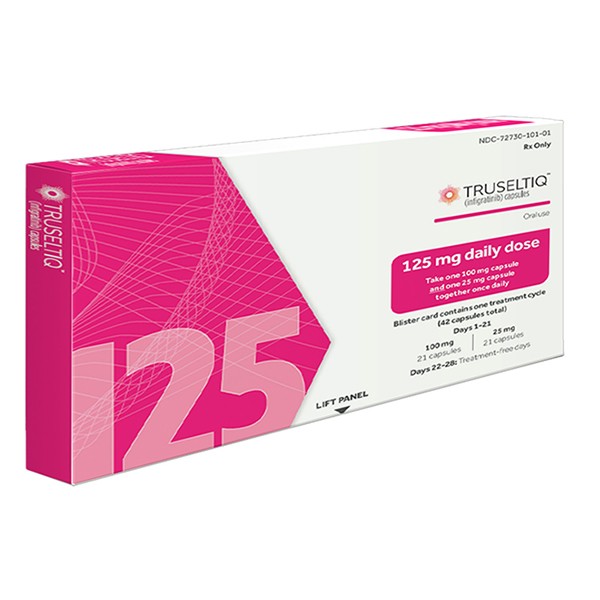
Infigratinib(Truseltiq)
Treatment of previously treated, unresectable locally advanced or metastatic...
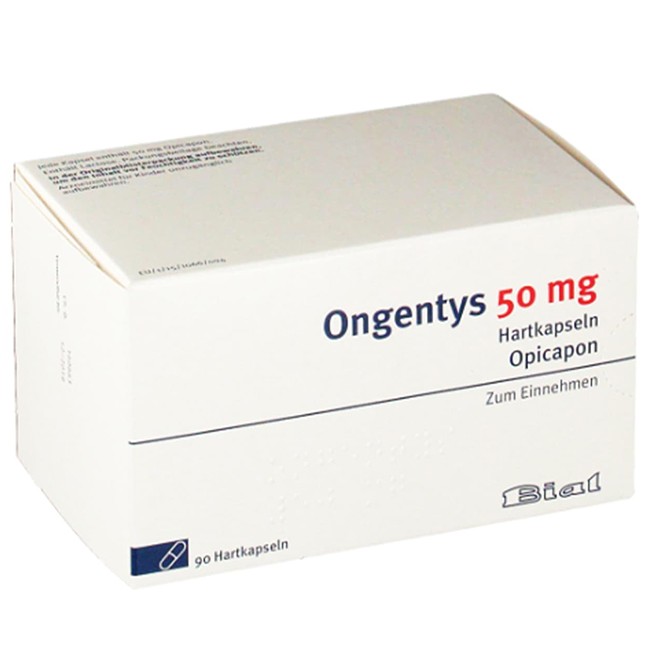
Opicapone(Ongentys)
Opicapone(Ongentys)
Adjunctive treatment to levodopa/carbidopa for reducing "off" episodes in...
Deflazacort(Emflaza)
Treatment of Duchenne muscular dystrophy (DMD) in patients aged 2 years and...
Faricimab-svoa(Vabysmo)
Treatment of neovascular age-related macular degeneration, diabetic macular...
Counselling Service
Global Drug Search
Clinical Research Recruitment
Overseas Medical Treatment
Remote Consultations
Note: Our medical consultant will contact you as soon as possible. We promise to strictly protect your privacy.
Submit
Business
  • Core products
  • Antitumor drugs
  • General drug
  • Antiviral drugs
  • Biological agents
Contact Us 
  • haiousales@gmail.com
Welcome to consult
Seagull Pharmacy.,Ltd All rights reserved