info@seagull-health.com
SeagullHealth
语言:
search
new
Indications for Siponimod (Mayzent)
510
Article source: Seagull Pharmacy
Oct 30, 2025

Siponimod (Mayzent) is a sphingosine 1-phosphate (S1P) receptor modulator used for the treatment of relapsing forms of multiple sclerosis (MS).

Indications for Siponimod (Mayzent)

Primary Indications

Siponimod is indicated for the treatment of adult patients with the following relapsing forms of multiple sclerosis (MS).

Clinically Isolated Syndrome (CIS): For patients who experience a first demyelinating event and are at high risk of relapse.

Relapsing-Remitting Multiple Sclerosis (RRMS): For reducing the frequency of disease relapses and delaying the progression of disability.

Active Secondary Progressive Multiple Sclerosis (aSPMS): For patients with secondary progressive disease who have evidence of disease activity (such as relapses or MRI lesions).

Dosage Forms, Strengths and Properties of Siponimod (Mayzent)

Dosage Forms and Strengths

0.25mg tablets: Light red, round, biconvex film-coated tablets with beveled edges. One side is engraved with "T", and the other side is blank.

1mg tablets: Purple-white, round, biconvex film-coated tablets with beveled edges. One side is engraved with "L", and the other side is blank.

2mg tablets: Light yellow, round, biconvex film-coated tablets with beveled edges. One side is engraved with "II", and the other side is blank.

Excipient Ingredients

The tablet core contains microcrystalline cellulose, crospovidone, etc.

The film coating contains polyvinyl alcohol, titanium dioxide, and iron oxide colorants (red and black iron oxides for 0.25mg and 1mg tablets; red and yellow iron oxides for 2mg tablets), etc.

Administration Method

Swallow the tablet whole. Do not split, crush, or chew it.

A 5-day dose escalation (starting at 0.25mg/day and gradually increasing to 2mg/day) is required to reduce the risk of cardiac adverse reactions.

Storage Methods for Siponimod (Mayzent)

Unopened Packaging

Store under refrigeration at 2°C–8°C (36°F–46°F).

After being dispensed to patients by the pharmacy, it can be stored at room temperature (20°C–25°C / 68°F–77°F) for a maximum of 3 months.

Opened Packaging

Bottled tablets: After opening, they can be stored at room temperature for 3 months, no refrigeration required.

Initiation pack (blister cards): After opening, the original calendarized blister packaging must be retained, and the product should be stored at room temperature for no more than 3 months.

Precautions

Avoid direct sunlight and humid environments.

Keep out of the reach of children.

Note: For internal discussion among medical personnel only. For specific medication, please consult the attending physician. Drug information may change over time. For the latest information, we recommend adding a medical consultant or consulting for free online.
Recommended Articles
How to Purchase Siponimod (Mayzent)
Siponimod (Mayzent) is a sphingosine 1-phosphate (S1P) receptor modulator used for the treatment of relapsing forms of multiple sclerosis (MS) in adults, including clinically isolated syndrome, relaps...
What Are the Side Effects of Fedratinib (Inrebic)?
Fedratinib (Inrebic) is a kinase inhibitor used for the treatment of adult patients with intermediate-2 or high-risk primary myelofibrosis (MF), or myelofibrosis secondary to polycythemia vera or esse...
Precautions for Fedratinib (Inrebic) Administration
Fedratinib (Inrebic) is a kinase inhibitor. It is indicated for the treatment of adult patients with intermediate-2 or high-risk primary myelofibrosis, or myelofibrosis secondary to polycythemia vera/...
How to Use Fedratinib (Inrebic)
Fedratinib (Inrebic) is a kinase inhibitor. It is indicated for the treatment of adult patients with intermediate-2 or high-risk primary myelofibrosis, or myelofibrosis secondary to polycythemia vera ...
How to Use Siponimod (Mayzent)
Siponimod (Mayzent) is a sphingosine 1-phosphate (S1P) receptor modulator used for the treatment of relapsing forms of multiple sclerosis (MS) in adults, including clinically isolated syndrome, relaps...
Precautions for Administration of Isavuconazonium Sulfate Capsules (Cresemba)
Isavuconazonium Sulfate Capsules (Cresemba) are a triazole antifungal agent primarily indicated for the treatment of invasive aspergillosis and mucormycosis.Precautions for Administration of Isavucona...
How to Purchase Clofazimine
Clofazimine is a prescription medication used for the treatment of leprosy and certain mycobacterial infections. Due to its specific uses and pharmacological properties, its purchase must strictly com...
Indications for Clofazimine
Clofazimine is an antimycobacterial agent. Since its approval in the United States in 1986, it has been mainly used for the treatment of leprosy and its complications.Indications for ClofazimineTreatm...
Related Articles
Side Effects, Management and Storage Guidelines for Sacubitril/Valsartan Sodium Tablets (Entresto)
Sacubitril/valsartan sodium tablets are highly effective in treating heart failure and hypertension, but like all medications, they may also cause some side effects.I. What are the common side effects...
Sacubitril Valsartan Sodium Tablets (Entresto): Indications, Contraindications, and Use in Special Populations
Sacubitril/Valsartan sodium tablets are indicated for chronic heart failure in adults and children, as well as for hypertension in adults. However, a thorough evaluation of contraindications and speci...
Tenapanor (Xphozah) Medication Guide: Dosage, Precautions, and Healthy Living
Tenapanor (Xphozah) is used to lower serum phosphorus in adult dialysis patients and must be strictly used according to the dosage and administration instructions.I. Dosage and Administration1. Recomm...
Xphozah (Tinapano) Side Effect Management and Storage Guidelines
Tenapanor (Xphozah) is used to lower serum phosphorus in dialysis patients, with the most common side effect being diarrhea. Correctly identifying side effects, mastering mitigation methods, and stori...
Side Effects, Mitigation Methods and Storage Guidelines for Lecanemab (Leqembi)
Lecanemab (Leqembi) can cause various side effects while treating early Alzheimer's disease.I. What are the common side effects?1. Infusion-related reactions(1) Occur in approximately 26% of patie...
Dosage and Administration, Precautions, and Healthy Lifestyle for Lecanemab (Leqembi)
Lecanemab (Leqembi) must be used under professional medical guidance. Adherence to prescribed medication and a healthy lifestyle can better ensure treatment efficacy and safety.I. Dosage and Administr...
What are the side effects of Urocalun?
Urocalun, a commonly used drug to promote the expulsion of kidney and ureteral stones, has a good overall safety profile but may still cause some side effects.I. What are the side effects of Urocalun?...
Urocalun: Indications, Contraindications, and Medication Precautions for Special Populations
Urocalun is a urinary calculus therapeutic agent extracted from the leaves and branches of Quercus stenophylla. Clarifying its indications, contraindications, and special population precautions is ess...
New Drugs
Infigratinib(Truseltiq)
Treatment of previously treated, unresectable locally advanced or metastatic...
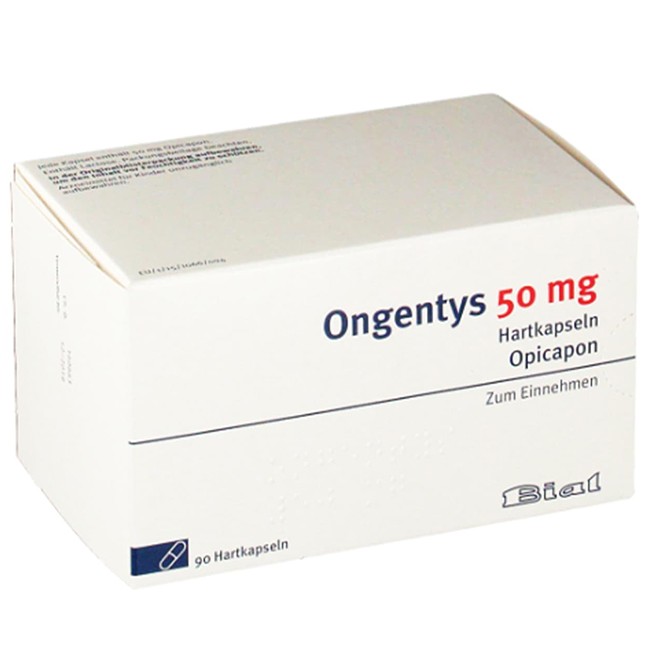
Opicapone(Ongentys)
Opicapone(Ongentys)
Adjunctive treatment to levodopa/carbidopa for reducing "off" episodes in...
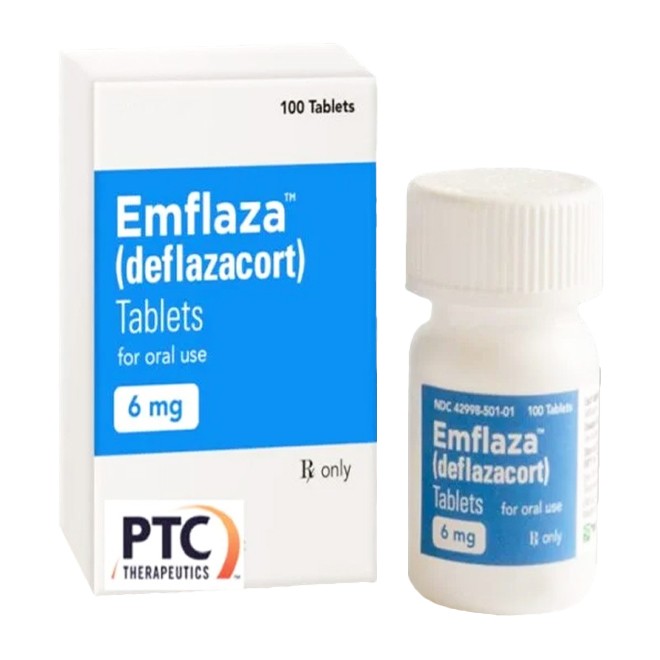
Deflazacort(Emflaza)
Treatment of Duchenne muscular dystrophy (DMD) in patients aged 2 years and...
Faricimab-svoa(Vabysmo)
Treatment of neovascular age-related macular degeneration, diabetic macular...
Counselling Service
Global Drug Search
Clinical Research Recruitment
Overseas Medical Treatment
Remote Consultations
Note: Our medical consultant will contact you as soon as possible. We promise to strictly protect your privacy.
Submit
Business
  • Core products
  • Antitumor drugs
  • General drug
  • Antiviral drugs
  • Biological agents
Contact Us 
  • haiousales@gmail.com
Welcome to consult
Seagull Pharmacy.,Ltd All rights reserved