info@seagull-health.com
SeagullHealth
语言:
search
new
Dosage and Administration Guidelines of Propafenone Hydrochloride (Rythmol)
504
Article source: Seagull Pharmacy
May 18, 2026

Propafenone Hydrochloride (Rythmol) is a class Ic antiarrhythmic agent primarily used to prolong the time to recurrence of symptomatic atrial fibrillation (AF) and paroxysmal supraventricular tachycardia (PSVT), and to treat life-threatening ventricular arrhythmias.

I. Dosage and Administration Guidelines

1. Initiation and Dose Adjustment

(1) Treatment with Propafenone Hydrochloride should be individualized and titrated based on patient response and tolerability.

(2) The recommended starting dose is 150 mg orally every 8 hours (i.e., total daily dose of 450 mg).

(3) If further efficacy is needed, the dose may be increased to 225 mg to 300 mg every 8 hours (i.e., total daily dose of 675 mg to 900 mg) after at least 3 to 4 days of dosing.

(4) The safety and effectiveness of daily doses exceeding 900 mg have not been established.

2. Dosage Considerations for Special Populations

(1) For patients with hepatic impairment, or those experiencing marked widening of the QRS complex or second- or third-degree atrioventricular block, dose reduction should be considered.

(2) Elderly patients or those with a history of significant myocardial damage presenting with ventricular arrhythmias should have the dose increased more slowly during the initial treatment phase.

II. Important Safety Precautions

1. Contraindications and Warnings

(1) Propafenone Hydrochloride is contraindicated in patients with: heart failure, cardiogenic shock, existing sinus node, atrioventricular nodal, or intraventricular conduction disorders (e.g., sick sinus syndrome, atrioventricular block) without a pacemaker, known Brugada syndrome, bradycardia, marked hypotension, bronchospastic disorders or severe obstructive pulmonary disease, and significant electrolyte imbalances.

(2) This drug carries a risk of proarrhythmia, which may induce new arrhythmias or worsen existing arrhythmias, potentially leading to sudden death.

(3) Therefore, electrocardiographic monitoring and evaluation are mandatory before and during treatment.

2. Drug Interactions

(1) The metabolism of Propafenone Hydrochloride involves isoenzymes CYP2D6, CYP3A4, and CYP1A2.

(2) Concomitant use of CYP2D6 inhibitors (e.g., paroxetine, sertraline) and CYP3A4 inhibitors (e.g., ketoconazole, erythromycin, grapefruit juice) should be avoided, as this combination can significantly increase propafenone plasma concentrations, raising the risk of adverse effects.

(3) Furthermore, this drug increases the plasma levels of digoxin and warfarin. Close monitoring and appropriate dose adjustments are required when coadministered.

(4) Caution is also warranted when used with other drugs that prolong the QT interval (e.g., certain antiarrhythmics, tricyclic antidepressants).

III. Healthy Lifestyle Recommendations for Patients

1. Regular Monitoring and Follow-up

Patients taking Propafenone Hydrochloride must adhere to scheduled follow-up electrocardiograms to monitor the drug's effects on cardiac conduction (e.g., changes in PR interval, QRS duration) and to detect potential proarrhythmic effects in a timely manner.

2. Dietary and Lifestyle Adjustments

(1) Avoid interacting foods/beverages: During treatment, avoid drinking grapefruit juice, as it inhibits the CYP3A4 enzyme and affects drug metabolism.

(2) Maintain a balanced diet: Ensure adequate nutritional intake to prevent electrolyte imbalances caused by severe diarrhea, vomiting, or poor appetite. Inform your doctor promptly if these occur.

(3) Limit stimulants: It is advisable to reduce or avoid caffeine, alcohol, and other substances that may stimulate the heart and trigger rhythm disturbances.

(4) Moderate activity: Engage in regular, mild-to-moderate aerobic exercise (e.g., walking, tai chi) as permitted by the physician's assessment of cardiac function. This helps improve cardiovascular health. Avoid sudden strenuous exercise.


Note: For internal discussion among medical personnel only. For specific medication, please consult the attending physician. Drug information may change over time. For the latest information, we recommend adding a medical consultant or consulting for free online.
Recommended Articles
Major Side Effects of Propafenone Hydrochloride
Propafenone Hydrochloride (Rythmol) is a potent Class Ic antiarrhythmic agent, but its use is associated with a range of potential side effects.I. Major Side Effects of Propafenone Hydrochloride1. Com...
Indications, Contraindications and Medication Guidelines for Special Populations of Pomalidomide
Pomalidomide is a potent immunomodulatory agent used for the treatment of specific hematologic malignancies and sarcomas.I. Indications for Pomalidomide1. Multiple MyelomaPomalidomide in combination w...
Pomalidomide: Side Effects, Mitigation Methods and Storage Guidelines
Pomalidomide has clear efficacy in the treatment of multiple myeloma and Kaposi sarcoma, but is also associated with various adverse reactions.I. Common side effects of pomalidomide1. Hematologic toxi...
Ophthalmic Solution for Improving Regulatory Function (Sancoba Ophthalmic Solution) Side Effects, Countermeasures and Storage Guidelines
This article details the known side effects, relief measures, and storage requirements of Sancoba ophthalmic solution (a ciliary function-improving eye drop) to help users use this product safely and ...
What are the common side effects of Momelotinib
Momelotinib is a targeted therapy used for the treatment of intermediate/high-risk myelofibrosis with anemia. Understanding its common side effects, mastering management strategies, and proper storage...
What is Momelotinib?
Momelotinib is an oral kinase inhibitor indicated for the treatment of adults with intermediate or high-risk myelofibrosis with anemia, including primary and secondary myelofibrosis.I. What is Momelot...
Common Side Effects of Infigratinib
Infigratinib has shown clear efficacy in the treatment of FGFR2-mutant cholangiocarcinoma, but may also cause various side effects.I. Common Side Effects1. Ocular Side Effects:(1) The most common ocul...
Indications of Infigratinib
Infigratinib is an oral kinase inhibitor targeting FGFR2, indicated for patients with specific gene mutations in cholangiocarcinoma.I. Indications1. Infigratinib is indicated for adult patients with p...
Related Articles
Side Effects, Management and Storage Guidelines for Sacubitril/Valsartan Sodium Tablets (Entresto)
Sacubitril/valsartan sodium tablets are highly effective in treating heart failure and hypertension, but like all medications, they may also cause some side effects.I. What are the common side effects...
Sacubitril Valsartan Sodium Tablets (Entresto): Indications, Contraindications, and Use in Special Populations
Sacubitril/Valsartan sodium tablets are indicated for chronic heart failure in adults and children, as well as for hypertension in adults. However, a thorough evaluation of contraindications and speci...
Tenapanor (Xphozah) Medication Guide: Dosage, Precautions, and Healthy Living
Tenapanor (Xphozah) is used to lower serum phosphorus in adult dialysis patients and must be strictly used according to the dosage and administration instructions.I. Dosage and Administration1. Recomm...
Xphozah (Tinapano) Side Effect Management and Storage Guidelines
Tenapanor (Xphozah) is used to lower serum phosphorus in dialysis patients, with the most common side effect being diarrhea. Correctly identifying side effects, mastering mitigation methods, and stori...
Side Effects, Mitigation Methods and Storage Guidelines for Lecanemab (Leqembi)
Lecanemab (Leqembi) can cause various side effects while treating early Alzheimer's disease.I. What are the common side effects?1. Infusion-related reactions(1) Occur in approximately 26% of patie...
Dosage and Administration, Precautions, and Healthy Lifestyle for Lecanemab (Leqembi)
Lecanemab (Leqembi) must be used under professional medical guidance. Adherence to prescribed medication and a healthy lifestyle can better ensure treatment efficacy and safety.I. Dosage and Administr...
What are the side effects of Urocalun?
Urocalun, a commonly used drug to promote the expulsion of kidney and ureteral stones, has a good overall safety profile but may still cause some side effects.I. What are the side effects of Urocalun?...
Urocalun: Indications, Contraindications, and Medication Precautions for Special Populations
Urocalun is a urinary calculus therapeutic agent extracted from the leaves and branches of Quercus stenophylla. Clarifying its indications, contraindications, and special population precautions is ess...
New Drugs
Infigratinib(Truseltiq)
Treatment of previously treated, unresectable locally advanced or metastatic...
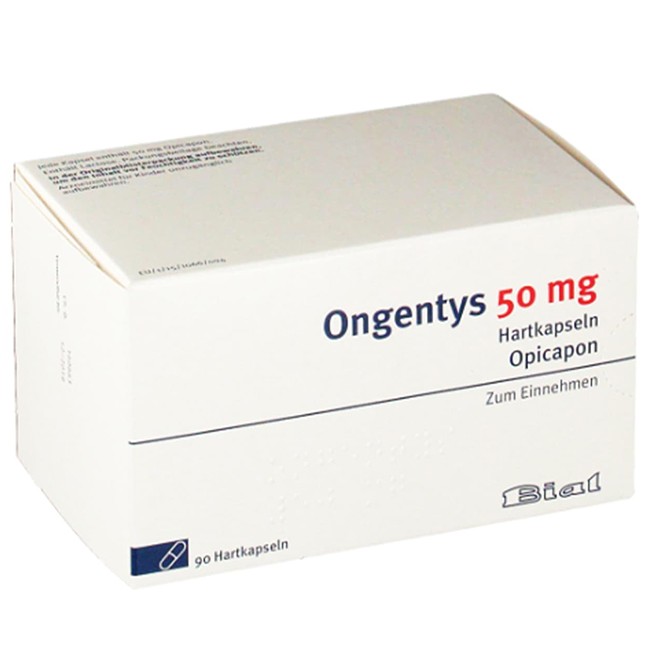
Opicapone(Ongentys)
Opicapone(Ongentys)
Adjunctive treatment to levodopa/carbidopa for reducing "off" episodes in...
Deflazacort(Emflaza)
Treatment of Duchenne muscular dystrophy (DMD) in patients aged 2 years and...
Faricimab-svoa(Vabysmo)
Treatment of neovascular age-related macular degeneration, diabetic macular...
Counselling Service
Global Drug Search
Clinical Research Recruitment
Overseas Medical Treatment
Remote Consultations
Note: Our medical consultant will contact you as soon as possible. We promise to strictly protect your privacy.
Submit
Business
  • Core products
  • Antitumor drugs
  • General drug
  • Antiviral drugs
  • Biological agents
Contact Us 
  • haiousales@gmail.com
Welcome to consult
Seagull Pharmacy.,Ltd All rights reserved