info@seagull-health.com
SeagullHealth
语言:
search
new
Medication Guidance and Patient Health Management of Fulvestrant
509
Article source: Seagull Pharmacy
Mar 06, 2026

Fulvestrant is an estrogen receptor antagonist, primarily indicated for the treatment of hormone receptor‑positive, human epidermal growth factor receptor 2 (HER2)‑negative advanced breast cancer.

1. Dosage and Administration of Fulvestrant

1.1 Standard Dosing Regimen

The recommended dose of fulvestrant is 500 mg, administered via intramuscular (IM) injectionDailyMed.

Following the initial dose, additional injections are required on Day 15 and Day 29, with subsequent maintenance injections administered once monthly.

Each administration consists of two 5‑mL injections, delivered into the gluteal muscles of both buttocks. Each injection should be administered slowly, over approximately 1–2 minutesDailyMed.

1.2 Dosage Adjustment in Special Populations

For patients with moderate hepatic impairment (Child‑Pugh Class B), the recommended dose is reduced to 250 mg.

In this case, only one 5‑mL injection is administered, while the dosing schedule remains unchanged (Day 1, Day 15, Day 29, then once monthly).

Fulvestrant is not recommended for use in patients with severe hepatic impairment.

2. Precautions for Fulvestrant Use

2.1 Bleeding Risk Prevention

Due to the intramuscular route of administration, extreme caution is advised in patients with a bleeding diathesis, thrombocytopenia, or those receiving anticoagulant therapy (e.g., warfarin).

These patients must inform their healthcare provider of their condition prior to injection to allow for risk assessment and implementation of necessary precautions.

2.2 Injection Site‑Related Precautions

Fulvestrant is injected into the gluteal muscle, which is in close proximity to the sciatic nerve; therefore, special care must be taken during administration.

If symptoms such as leg numbness, tingling, or weakness occur post‑injection, medical personnel should be contacted immediately, as these may indicate nerve injury.

2.3 Hepatic Function Monitoring

Fulvestrant is primarily metabolized in the liver, and elevations in liver enzymes may occur during treatment.

In clinical studies, more than 15% of patients experienced elevations in ALT, AST, or alkaline phosphatase, with 1–2% of these being Grade 3–4 elevations.

Therefore, regular monitoring of hepatic function is recommended throughout the treatment course.

2.4 Fetal Risk

Fulvestrant may cause harm to the fetus.

Women of childbearing potential must use effective contraception during treatment and for 1 year following the last dose.

If pregnancy is suspected or confirmed, the healthcare provider must be notified immediately.

2.5 Interference with Estrogen Assays

Due to its structural similarity to estradiol, fulvestrant may interfere with immunoassay‑based estrogen testing, potentially leading to falsely elevated results.

This must be taken into consideration when monitoring estrogen levels.

3. Patient Health and Lifestyle Management

3.1 Management of Common Adverse Reactions

Common adverse reactions during fulvestrant therapy may include injection site pain, nausea, bone pain, arthralgia, headache, back pain, and fatigue. Patients may employ the following measures to alleviate discomfort:

Apply a cold compress to the injection site post‑administration to reduce pain and discomfort.

For nausea, try small, frequent meals and avoid greasy or fatty foods.

For bone and joint pain, use appropriate analgesics under the guidance of a physician.

3.2 Daily Lifestyle Adjustments

During treatment, patients should ensure adequate rest and avoid excessive physical exertion.

When experiencing fatigue and weakness, adjust activity levels accordingly and ensure sufficient sleep.

Maintain moderate physical activity to preserve muscle strength and joint flexibility, but avoid strenuous exercise.

Note: For internal discussion among medical personnel only. For specific medication, please consult the attending physician. Drug information may change over time. For the latest information, we recommend adding a medical consultant or consulting for free online.
Recommended Articles
Clinical Practice Guidelines for Entacapone: Indications, Contraindications, and Use in Special Populations
Entacapone is used as an adjunctive medication for the treatment of Parkinson’s disease, usually in combination with levodopa/carbidopa.I. Indications of Entacapone1. Core Indications(1) Entacapone is...
Comprehensive Analysis of Entacapone: Pharmaceutical Properties, Mechanism of Action and Precautions for Use
Entacapone is an important adjuvant drug for the treatment of Parkinson’s disease, usually used in combination with levodopa/carbidopa.I. Drug Overview of Entacapone1. Drug ClassEntacapone is a select...
Julina User Guide: Storage, Diet and Missed Dose Management
Estradiol Tablets (Julina) play an important role in improving menopausal symptoms, preventing osteoporosis, and assisted reproductive therapy.I. Proper Storage of Estradiol TabletsStore at room tempe...
Complete Analysis of Julina: Uses, Mechanism and Precautions
Estradiol Tablets (Julina) is a prescription drug containing estrogen, mainly used to relieve menopausal symptoms, treat osteoporosis, and regulate endometrial conditions in assisted reproductive tech...
Fulvestrant Side Effect Management and Storage Guide
Fulvestrant is an effective agent for the treatment of hormone receptor‑positive advanced breast cancer.I. Common Side Effects of Fulvestrant1. Injection Site Reactions(1) Fulvestrant is administered ...
Medication Guide for Fulvestrant
Fulvestrant is an estrogen receptor antagonist, mainly indicated for the treatment of hormone receptor-positive, HER2-negative advanced or metastatic breast cancer.I. Indications1. MonotherapyFulvestr...
Comprehensive Analysis of Fulvestrant
Fulvestrant is an estrogen receptor antagonist. It blocks and degrades estrogen receptors and is used for the treatment of hormone receptor‑positive, HER2‑negative advanced or metastatic breast cancer...
Dosage and Administration of Glutathione Tablets
Glutathione Tablets (Tathion) are commonly used clinically as a detoxifying and hepatoprotective medication. Correct administration, dosage, and understanding of precautions are essential to ensure ef...
Related Articles
Side Effects, Management and Storage Guidelines for Sacubitril/Valsartan Sodium Tablets (Entresto)
Sacubitril/valsartan sodium tablets are highly effective in treating heart failure and hypertension, but like all medications, they may also cause some side effects.I. What are the common side effects...
Sacubitril Valsartan Sodium Tablets (Entresto): Indications, Contraindications, and Use in Special Populations
Sacubitril/Valsartan sodium tablets are indicated for chronic heart failure in adults and children, as well as for hypertension in adults. However, a thorough evaluation of contraindications and speci...
Tenapanor (Xphozah) Medication Guide: Dosage, Precautions, and Healthy Living
Tenapanor (Xphozah) is used to lower serum phosphorus in adult dialysis patients and must be strictly used according to the dosage and administration instructions.I. Dosage and Administration1. Recomm...
Xphozah (Tinapano) Side Effect Management and Storage Guidelines
Tenapanor (Xphozah) is used to lower serum phosphorus in dialysis patients, with the most common side effect being diarrhea. Correctly identifying side effects, mastering mitigation methods, and stori...
Side Effects, Mitigation Methods and Storage Guidelines for Lecanemab (Leqembi)
Lecanemab (Leqembi) can cause various side effects while treating early Alzheimer's disease.I. What are the common side effects?1. Infusion-related reactions(1) Occur in approximately 26% of patie...
Dosage and Administration, Precautions, and Healthy Lifestyle for Lecanemab (Leqembi)
Lecanemab (Leqembi) must be used under professional medical guidance. Adherence to prescribed medication and a healthy lifestyle can better ensure treatment efficacy and safety.I. Dosage and Administr...
What are the side effects of Urocalun?
Urocalun, a commonly used drug to promote the expulsion of kidney and ureteral stones, has a good overall safety profile but may still cause some side effects.I. What are the side effects of Urocalun?...
Urocalun: Indications, Contraindications, and Medication Precautions for Special Populations
Urocalun is a urinary calculus therapeutic agent extracted from the leaves and branches of Quercus stenophylla. Clarifying its indications, contraindications, and special population precautions is ess...
New Drugs
Infigratinib(Truseltiq)
Treatment of previously treated, unresectable locally advanced or metastatic...
Opicapone(Ongentys)
Opicapone(Ongentys)
Adjunctive treatment to levodopa/carbidopa for reducing "off" episodes in...
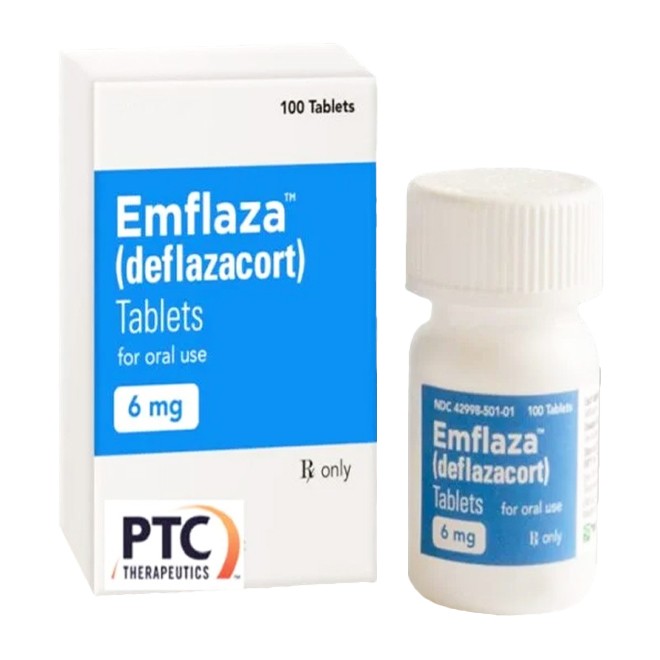
Deflazacort(Emflaza)
Treatment of Duchenne muscular dystrophy (DMD) in patients aged 2 years and...
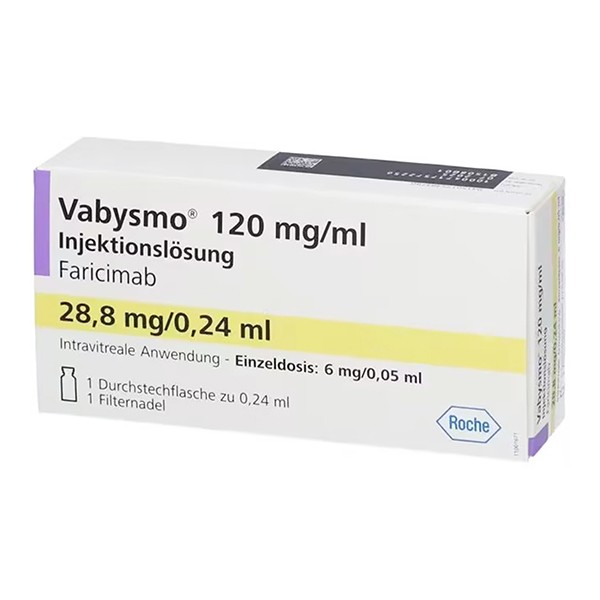
Faricimab-svoa(Vabysmo)
Treatment of neovascular age-related macular degeneration, diabetic macular...
Counselling Service
Global Drug Search
Clinical Research Recruitment
Overseas Medical Treatment
Remote Consultations
Note: Our medical consultant will contact you as soon as possible. We promise to strictly protect your privacy.
Submit
Business
  • Core products
  • Antitumor drugs
  • General drug
  • Antiviral drugs
  • Biological agents
Contact Us 
  • haiousales@gmail.com
Welcome to consult
Seagull Pharmacy.,Ltd All rights reserved