info@seagull-health.com
SeagullHealth
语言:
search
new
Common and Serious Adverse Reactions of Teplizumab​
526
Article source: Seagull Pharmacy
Feb 04, 2026

Teplizumab, as an innovative immunomodulator, can delay the onset of type 1 diabetes while potentially causing a range of manageable adverse effects.

Common and Serious Adverse Reactions of Teplizumab

1. Very Common Adverse Reactions

Based on clinical study data, adverse reactions with an incidence rate exceeding 10% primarily include:

(1) Lymphopenia: The most common reaction, occurring in approximately 73% of patients. It is an expected pharmacodynamic effect of the drug, typically reaching its trough around Day 5 and resolving spontaneously within weeks after treatment completion.

(2) Rash: Likely to occur in 36% to 48% of patients. Presentations vary, including erythema, maculopapular eruptions, and pruritic rashes; most cases are mild and self-limiting.

(3) Leukopenia: Incidence rate of approximately 21%. Associated with lymphopenia, it may compromise the body’s ability to fight infections.

(4) Headache: Incidence rate of approximately 11%.

2. Serious Adverse Reactions Requiring Vigilance

A small number of patients may experience serious reactions that require medical intervention:

(1) Cytokine Release Syndrome (CRS): Incidence rate of approximately 5%. Usually occurs within the first 5 days of treatment, with symptoms including fever, fatigue, nausea, headache, myalgia, arthralgia, and elevated liver enzymes. Treatment should be held for severe cases.

(2) Serious Infections: Incidence rate higher than that in the placebo group. Due to temporary immunosuppression induced by the drug, the risk of infections such as gastroenteritis, pneumonia, and cellulitis may increase.

(3) Severe Lymphopenia: Approximately 0.9% of patients may develop prolonged and severe lymphopenia (<500 cells/μL), necessitating permanent discontinuation of treatment.

(4) Hypersensitivity Reactions: Including serum sickness, angioedema, urticaria, bronchospasm, and in severe cases, anaphylaxis.

(5) Other Hematological Effects: Anemia, thrombocytopenia, neutropenia, and transient elevations in liver enzymes may occur.

Management and Mitigation Strategies for Adverse Reactions

1. Premedication

To reduce the incidence and severity of CRS, premedication is routinely administered prior to each infusion for the first 5 days of treatment, including:

(1) Antipyretic-Analgesics: Such as nonsteroidal anti-inflammatory drugs (ibuprofen, naproxen) or acetaminophen.

(2) Antihistamines.

(3) Antiemetics.

(4) Continuation: May be continued in subsequent treatments based on the patient’s response.

2. Close Monitoring During Treatment

(1) Laboratory Monitoring: Complete blood counts and liver function tests must be regularly monitored before and during treatment. This facilitates early detection of severe lymphopenia, liver injury, or other hematological abnormalities.

(2) Clinical Symptom Monitoring: Healthcare providers and patients should closely monitor for fever, signs of infection (e.g., cough, sore throat, dysuria), severe rash, dyspnea, or edema. Immediate reporting is required if any of these occur.

3. Targeted Interventions

(1) For CRS: Symptomatic and supportive care is the mainstay, such as using antipyretic-analgesics to control fever and pain. If liver enzymes are markedly elevated (ALT/AST >5 times the upper limit of normal) or severe symptoms develop, consideration should be given to holding treatment for 1–2 days or permanently discontinuing the drug.

(2) For Infections: Teplizumab should be held and antimicrobial therapy initiated in the event of a serious active infection.

(3) For Persistent Severe Lymphopenia: Permanent discontinuation is recommended if severe lymphopenia persists for more than one week.

(4) For Hypersensitivity Reactions: In the event of a severe allergic reaction, treatment must be immediately discontinued and emergency medical intervention administered, such as the use of epinephrine, corticosteroids, etc.

Storage of Unopened Medicinal Product

Teplizumab injection (2mg/2mL) is supplied as single-dose vials and must be stored under strict conditions:

Temperature: Store at 2°C to 8°C (36°F to 46°F) (refrigerated).

Storage Method: Keep upright in the original packaging to protect from light.

Prohibitions: Do not freeze or shake the vials vigorously.

Note: For internal discussion among medical personnel only. For specific medication, please consult the attending physician. Drug information may change over time. For the latest information, we recommend adding a medical consultant or consulting for free online.
Recommended Articles
Administration and Dosage of Teplizumab
Teplizumab, the first immunomodulator to delay the onset of type 1 diabetes, requires standardized use and comprehensive management to ensure its efficacy.Administration and Dosage of Teplizumab1...
Indications of Entrectinib (Rozlytrek)
Entrectinib (Rozlytrek) is a targeted anticancer agent indicated for patients with tumors harboring specific gene mutations. IndicationsEntrectinib is primarily indicated for the treatment of the...
Common Adverse Reactions and Clinical Manifestations
Entrectinib (Rozlytrek) is a targeted drug indicated for the treatment of tumors with specific gene mutations.Common Adverse Reactions and Clinical Manifestations1. Systemic Reactions(1) Fatigue is on...
What are the Precautions for Mavacamten (Camzyos) Administration?
Mavacamten (Camzyos) is a novel cardiac myosin inhibitor indicated for the treatment of adult patients with symptomatic obstructive hypertrophic cardiomyopathy (HCM) of New York Heart Association (NYH...
Precautions for Taking Ixazomib (Ninlaro)
Ixazomib (Ninlaro) is an oral proteasome inhibitor used in combination with lenalidomide and dexamethasone for the treatment of multiple myeloma patients who have received at least one prior therapy.P...
Side Effects of Ixazomib (Ninlaro)
Ixazomib (Ninlaro) is an oral proteasome inhibitor, which is usually administered in combination with lenalidomide and dexamethasone for the treatment of patients with multiple myeloma who have receiv...
Common and Serious Adverse Reactions of Minoxidil
Minoxidil (Loniten), a potent antihypertensive medication, exerts robust antihypertensive effects while also posing a risk of a range of potential adverse reactions.Common and Serious Adverse Reaction...
Basic Drug Information and Mechanism of Action
Minoxidil (Loniten) is a potent oral peripheral vasodilator primarily used for the treatment of severe, refractory hypertension.Basic Drug Information and Mechanism of Action1. Drug PropertiesMinoxidi...
Related Articles
Contraindications and Special Populations of Brensocatib Tablets
The prescribing information for Brixocatib tablets indicates that there are no absolute contraindications, but careful assessment of risks and benefits is still required in patients with special physi...
Dosage and Administration of Isatuximab Injection (Sarclisa)
Sarclisa must be administered under the supervision of a healthcare professional, and the administration site must be equipped with immediately available emergency equipment and medical support to man...
Indications and Dosage of Tepotinib
Tepotinib is an oral MET tyrosine kinase inhibitor indicated for the treatment of non-small cell lung cancer harboring MET exon 14 skipping mutations.I. Indications and Patient Selection1. Applicable ...
Dosage and Administration of Zidesamtinib
Before the first administration of Ziditnib, the following baseline assessments must be completed: serum creatine phosphokinase level, electrocardiogram, blood electrolytes (potassium, magnesium, calc...
Indications and Dosage and Administration of Ripretinib
Ripretinib is a kinase inhibitor specifically indicated for adult patients with advanced gastrointestinal stromal tumors who have previously received three or more kinase inhibitors.I. Indications and...
Contraindications and Medication in Special Populations of Ripretinib
Ripretinib does not list any absolute contraindications in its prescribing information, but there are clear usage restrictions or risks for specific physiological states and populations.I. Clear Contr...
Adverse Reactions of Ripretinib
Unlike traditional inhibition that targets the active site of a single kinase, ripretinib modulates the kinase "switch" conformation to suppress aberrant kinase signaling of KIT and PDGFRA, ...
Contraindications and Medication in Special Populations of Etoricoxib
Etoricoxib is effective for pain relief, but due to its cardiovascular and gastrointestinal risks, there are clear contraindications for its use.I. Absolute contraindications: who must not use it1. Al...
New Drugs
Infigratinib(Truseltiq)
Treatment of previously treated, unresectable locally advanced or metastatic...
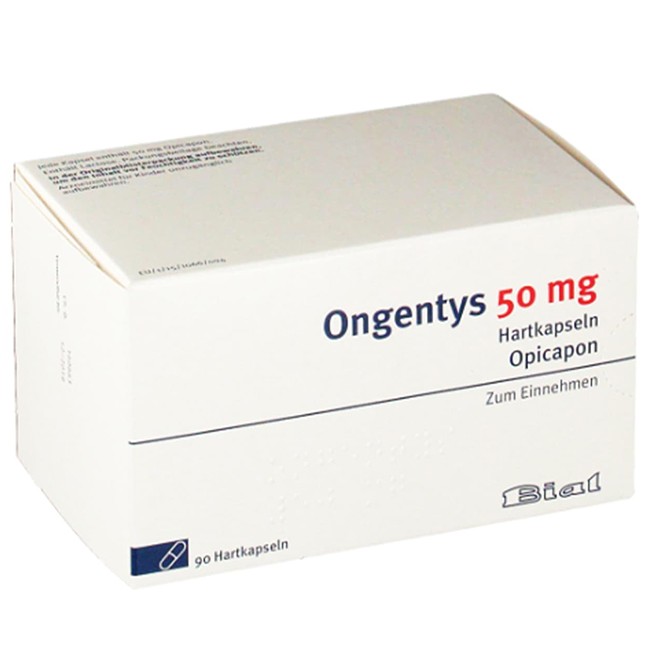
Opicapone(Ongentys)
Opicapone(Ongentys)
Adjunctive treatment to levodopa/carbidopa for reducing "off" episodes in...
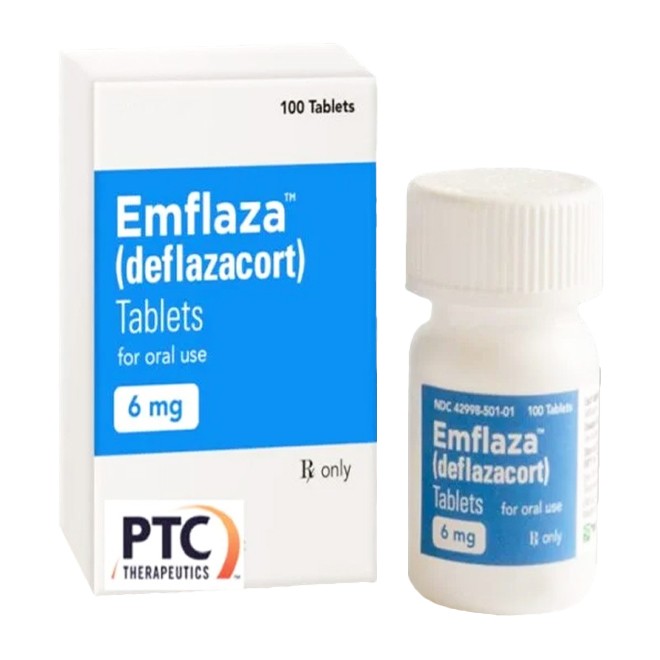
Deflazacort(Emflaza)
Treatment of Duchenne muscular dystrophy (DMD) in patients aged 2 years and...
Faricimab-svoa(Vabysmo)
Treatment of neovascular age-related macular degeneration, diabetic macular...
Counselling Service
Global Drug Search
Clinical Research Recruitment
Overseas Medical Treatment
Remote Consultations
Note: Our medical consultant will contact you as soon as possible. We promise to strictly protect your privacy.
Submit
Business
  • Core products
  • Antitumor drugs
  • General drug
  • Antiviral drugs
  • Biological agents
Contact Us 
  • haiousales@gmail.com
Welcome to consult
Seagull Pharmacy.,Ltd All rights reserved