info@seagull-health.com
SeagullHealth
语言:
search
new
Adverse Reactions of Lorlatinib (Lorviqua)
507
Article source: Seagull Pharmacy
Jan 08, 2026

Lorlatinib (Lorviqua) is a third-generation ALK inhibitor that demonstrates significant efficacy in the treatment of ALK-positive non-small cell lung cancer. However, its administration may be accompanied by various adverse reactions, ranging from mild and manageable symptoms to potentially life-threatening complications.

Adverse Reactions of Lorlatinib (Lorviqua)

Common Adverse Reactions

1. Edema and weight gain.

2. Peripheral neuropathy.

3. Cognitive and emotional effects.

Severe Adverse Reactions of Lorlatinib (Lorviqua)

Risk of Hepatotoxicity

Precipitating Factors: Concomitant use with strong CYP3A inducers (e.g., rifampicin) may lead to severe liver injury (83% of subjects experienced grade 3–4 transaminase elevation).

Regulatory Requirements: Co-administration with strong CYP3A inducers is prohibited. Prior to initiating lorlatinib, it is essential to ensure that such drugs have been discontinued for more than 3 half-lives.

Effects on the Cardiac Conduction System

Clinical Manifestations: Prolonged PR interval and atrioventricular (AV) block. Among patients, 1.9% developed AV block, and 0.2% required pacemaker implantation.

Monitoring Measures: Conduct regular electrocardiogram (ECG) assessments before and during treatment. In case of symptomatic AV block, suspend drug administration and resume treatment at a reduced dose only when the PR interval is < 200 ms. For recurrent or complete AV block, evaluate the necessity of permanent discontinuation or pacemaker placement.

Pulmonary Complications

Clinical Features: Interstitial lung disease/pneumonitis (1.9%), with 0.6% being grade 3–4.

Management Principles: Immediately discontinue the drug if pulmonary toxicity is suspected. Permanently discontinue treatment in patients confirmed to have treatment-related ILD/pneumonitis of any grade.

Hypertension and Hyperglycemia

Hypertension (13% incidence): 6% of cases were grade 3–4. Regular blood pressure monitoring is required, and dose adjustments should be made based on the hypertension grade.

Hyperglycemia (9% incidence): Particularly grade 3 and above (3.2%). Fasting blood glucose should be monitored before and during treatment, with dose reduction or discontinuation implemented according to the severity of hyperglycemia.

Important Precautions for Lorlatinib (Lorviqua)

Management of Drug Interactions

Strong/Moderate CYP3A Inducers: Strong inducers can significantly reduce plasma drug concentrations and induce liver injury. If moderate inducers must be used, the dose of lorlatinib should be increased to 125 mg once daily.

Strong CYP3A Inhibitors (e.g., ketoconazole): If co-administration is necessary, reduce the baseline dose from 100 mg to 75 mg once daily. For patients who have already had their dose reduced to 75 mg due to adverse reactions and require co-administration with strong inhibitors, further reduce the dose to 50 mg once daily.

Warnings for Special Populations

Pregnancy: Lorlatinib has embryotoxic potential. Studies in pregnant mice and rabbits have indicated teratogenic effects and an increased risk of miscarriage.

Contraception Requirements: Women of childbearing potential must use effective non-hormonal contraceptive methods, as this drug may render hormonal contraceptives ineffective.

Lactation: Breastfeeding is prohibited during treatment and for 7 days after the last dose.

Monitoring and Patient Education

Systematic Monitoring During Treatment: Monitor blood lipids, ECG, blood pressure, fasting blood glucose, as well as pulmonary and neuropsychiatric symptoms.

Patient Education: Patients should be informed to promptly report any new or worsening symptoms to the healthcare team, especially severe signs such as central nervous system (CNS) reactions, arrhythmias, and respiratory disorders.

Note: For internal discussion among medical personnel only. For specific medication, please consult the attending physician. Drug information may change over time. For the latest information, we recommend adding a medical consultant or consulting for free online.
Recommended Articles
What are the Precautions for Lorlatinib (Lorviqua) Administration?
Lorlatinib (Lorviqua) is a third-generation anaplastic lymphoma kinase (ALK) tyrosine kinase inhibitor that has demonstrated breakthrough efficacy in the treatment of ALK-positive non-small cell lung ...
Dosage and Administration, Recommended Dose of Lorlatinib (Lorviqua)
Lorlatinib (Lorviqua), a third-generation ALK inhibitor, demonstrates remarkable efficacy in the treatment of ALK-positive non-small cell lung cancer (NSCLC).Dosage and Administration, Recommended Dos...
What Are the Indications of Ivosidenib (Tibsovo)?
Ivosidenib (Tibsovo) is an important isocitrate dehydrogenase-1 (IDH1) inhibitor, providing an innovative treatment option for patients with various malignant tumors harboring IDH1 mutations.What Are ...
What Are the Indications for Lorlatinib (Lorviqua)?
Lorlatinib (Lorviqua) is an oral tyrosine kinase inhibitor primarily indicated for the treatment of specific types of non-small cell lung cancer (NSCLC). It provides a crucial therapeutic option for p...
What Are the Purchase Channels for Trametinib (Mekinist)?
Trametinib (Mekinist) is a targeted therapy indicated for the treatment of unresectable or metastatic melanoma harboring BRAF V600E or V600K mutations. As a prescription-only medication, its purchase ...
What Are the Indications for Trametinib (Mekinist)?
Trametinib (Mekinist) is a kinase inhibitor. As a representative targeted drug in the era of precision medicine, it has demonstrated favorable clinical value in the treatment of melanoma.What Are the ...
Dosage and Administration of Trametinib (Mekinist)
Trametinib (Mekinist) is a kinase inhibitor indicated for the treatment of patients with unresectable or metastatic melanoma that is confirmed to harbor BRAF V600E or V600K mutations by an FDA-approve...
What are the precautions for Trametinib (Mekinist) administration?
Trametinib (Mekinist) is a reversible inhibitor of MEK1 and MEK2 kinases, playing a vital role in the treatment of BRAFV600E or V600K mutation-positive melanoma.What are the precautions for Trametinib...
Related Articles
Side Effects, Management and Storage Guidelines for Sacubitril/Valsartan Sodium Tablets (Entresto)
Sacubitril/valsartan sodium tablets are highly effective in treating heart failure and hypertension, but like all medications, they may also cause some side effects.I. What are the common side effects...
Sacubitril Valsartan Sodium Tablets (Entresto): Indications, Contraindications, and Use in Special Populations
Sacubitril/Valsartan sodium tablets are indicated for chronic heart failure in adults and children, as well as for hypertension in adults. However, a thorough evaluation of contraindications and speci...
Tenapanor (Xphozah) Medication Guide: Dosage, Precautions, and Healthy Living
Tenapanor (Xphozah) is used to lower serum phosphorus in adult dialysis patients and must be strictly used according to the dosage and administration instructions.I. Dosage and Administration1. Recomm...
Xphozah (Tinapano) Side Effect Management and Storage Guidelines
Tenapanor (Xphozah) is used to lower serum phosphorus in dialysis patients, with the most common side effect being diarrhea. Correctly identifying side effects, mastering mitigation methods, and stori...
Side Effects, Mitigation Methods and Storage Guidelines for Lecanemab (Leqembi)
Lecanemab (Leqembi) can cause various side effects while treating early Alzheimer's disease.I. What are the common side effects?1. Infusion-related reactions(1) Occur in approximately 26% of patie...
Dosage and Administration, Precautions, and Healthy Lifestyle for Lecanemab (Leqembi)
Lecanemab (Leqembi) must be used under professional medical guidance. Adherence to prescribed medication and a healthy lifestyle can better ensure treatment efficacy and safety.I. Dosage and Administr...
What are the side effects of Urocalun?
Urocalun, a commonly used drug to promote the expulsion of kidney and ureteral stones, has a good overall safety profile but may still cause some side effects.I. What are the side effects of Urocalun?...
Urocalun: Indications, Contraindications, and Medication Precautions for Special Populations
Urocalun is a urinary calculus therapeutic agent extracted from the leaves and branches of Quercus stenophylla. Clarifying its indications, contraindications, and special population precautions is ess...
New Drugs
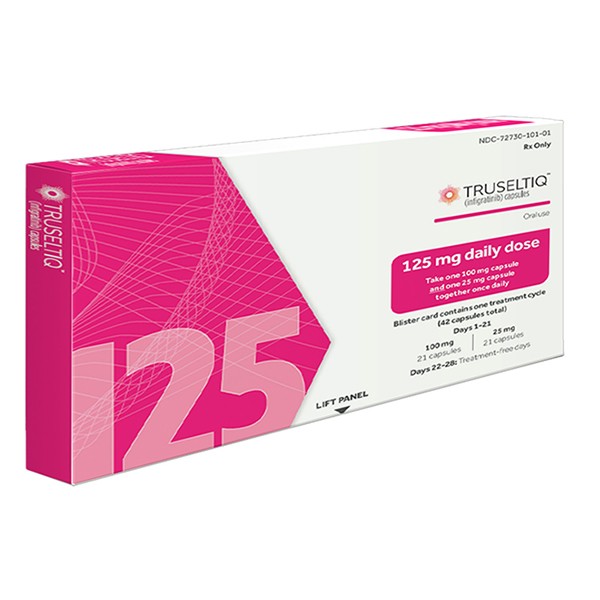
Infigratinib(Truseltiq)
Treatment of previously treated, unresectable locally advanced or metastatic...
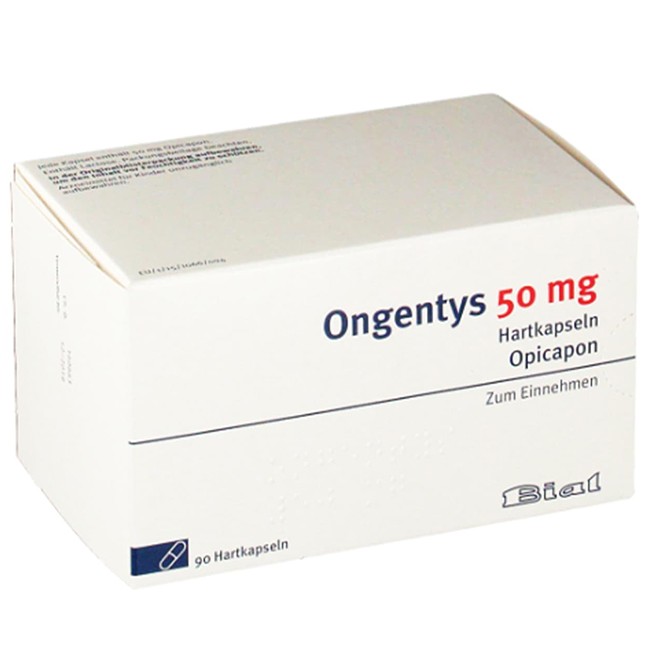
Opicapone(Ongentys)
Opicapone(Ongentys)
Adjunctive treatment to levodopa/carbidopa for reducing "off" episodes in...
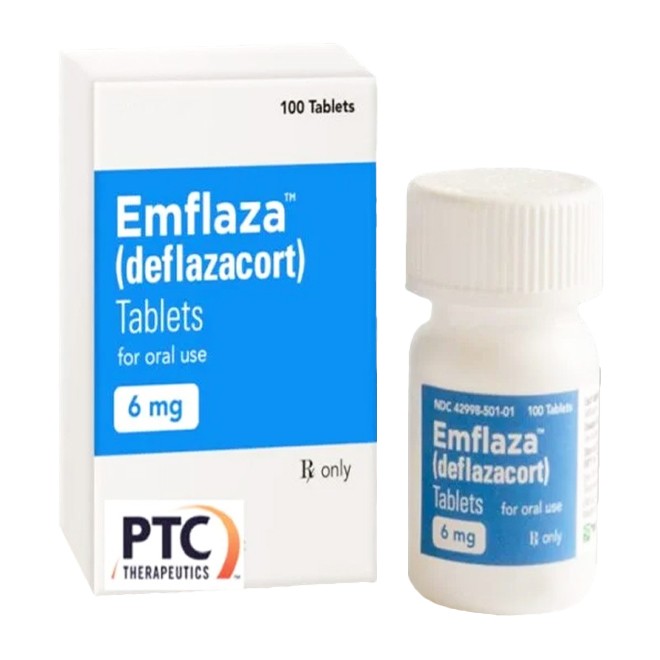
Deflazacort(Emflaza)
Treatment of Duchenne muscular dystrophy (DMD) in patients aged 2 years and...
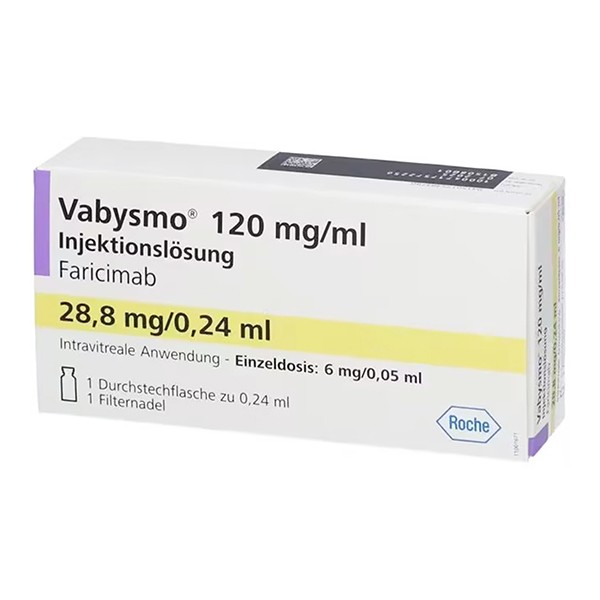
Faricimab-svoa(Vabysmo)
Treatment of neovascular age-related macular degeneration, diabetic macular...
Counselling Service
Global Drug Search
Clinical Research Recruitment
Overseas Medical Treatment
Remote Consultations
Note: Our medical consultant will contact you as soon as possible. We promise to strictly protect your privacy.
Submit
Business
  • Core products
  • Antitumor drugs
  • General drug
  • Antiviral drugs
  • Biological agents
Contact Us 
  • haiousales@gmail.com
Welcome to consult
Seagull Pharmacy.,Ltd All rights reserved