





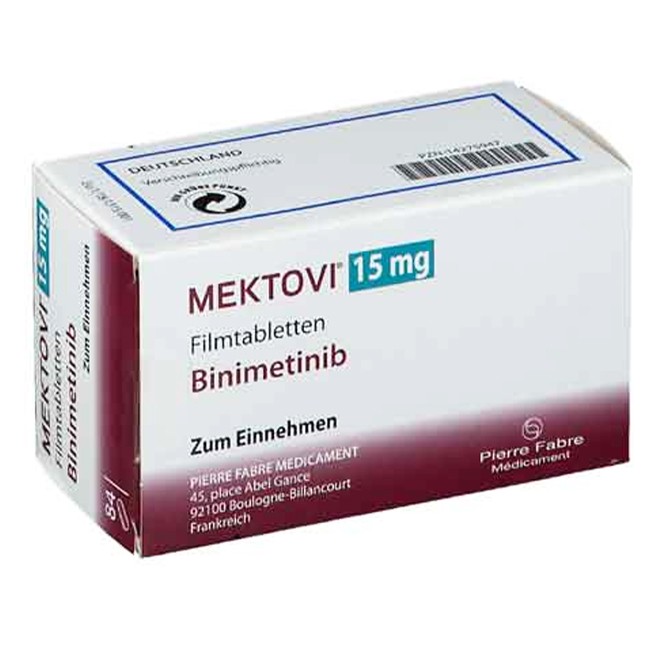
Binimetinib is often used in combination with encorafenib for the treatment of BRAF mutation-positive melanoma and non-small cell lung cancer. During treatment, a reasonable diet helps maintain energy, reduce gastrointestinal burden, and support drug tolerance.
I. Taking with or without food is acceptable; regularity in eating matters
1. No conflict between medication and food
Binimetinib may be taken with or without food, and a high-fat meal does not affect its absorption. Patients may choose the most comfortable timing for taking the medication based on their own gastrointestinal reactions.
2. Fixed medication times
It is recommended to take it once every 12 hours. Reminders may be set in combination with breakfast and dinner times to avoid missed doses. If vomiting occurs, there is no need to take an extra dose; just take the next dose as originally scheduled.
3. Small, frequent meals
Nausea, vomiting, and diarrhea are common during treatment. Three meals may be divided into five to six small meals to reduce gastrointestinal burden while ensuring daily total calorie and protein intake.
II. Adjusting the diet for common gastrointestinal reactions
1. When experiencing nausea and vomiting
Choose light, room-temperature, or cool foods, such as soda crackers, toast, and plain rice porridge. Avoid greasy, spicy, overly sweet, and strongly aromatic foods. Do not lie down immediately after eating.
2. When experiencing diarrhea
Pay attention to replenishing water and electrolytes; light salt water or oral rehydration salts may be consumed. Choose low-fiber foods, such as white rice, bananas, applesauce, and white toast. Avoid high-fiber, high-fat foods, and dairy products.
3. When experiencing constipation
Increase warm water intake and appropriately consume cooked vegetables, oats, dragon fruit, and other foods that gently promote bowel movements. If constipation persists, consult a doctor and do not use strong laxatives on your own.
4. When experiencing abdominal pain and bloating
Chew slowly and avoid gas-producing foods such as beans, carbonated drinks, and onions. Take a moderate walk after meals to promote gastrointestinal motility.
III. Pay attention to liver, kidney, and muscle safety, and choose ingredients reasonably
1. Protect the liver
Binimetinib may cause elevated liver enzymes. The diet should be light; avoid alcohol and cautiously use herbs and supplements of unknown composition to avoid increasing the burden on the liver. Ensure high-quality protein, such as fish, eggs, lean meat, and soy products.
2. Pay attention to elevated creatine kinase
If muscle aches or fatigue occur, ensure adequate water intake and avoid strenuous exercise. Foods rich in coenzyme Q10, such as sardines, beef, and peanuts, may be consumed in moderation, but this should be confirmed with a doctor.
3. Control blood pressure and bleeding risk
If hypertension is present, sodium intake should be limited to no more than 5 grams per day. If there is a bleeding tendency, avoid consuming large amounts of foods with obvious anticoagulant effects, such as deep-sea fish oil, garlic supplements, and high-dose vitamin E supplements.
4. Avoid grapefruit and its products
Although binimetinib is mainly metabolized by UGT1A1, grapefruit may interfere with drug metabolism when used in combination with encorafenib. It is recommended to avoid grapefruit juice and grapefruit during treatment.
5. Maintain adequate hydration
Drink 1500 to 2000 milliliters of water daily, unless the doctor restricts fluids due to cardiac or renal problems. Adequate hydration helps reduce fatigue, constipation, and drug-related discomfort.

Free Inquiry











