info@seagull-health.com
SeagullHealth
语言:
search
new
Dosage and Administration of Vepdegestrant (Veppanu)
506
Article source: Seagull Pharmacy
Jun 26, 2026

Correctly mastering the usage and dosage of Vepdegestrant is fundamental to ensuring efficacy and safety. This article systematically reviews the core medication points in three aspects.

I. Standard Administration and Basic Requirements

1. Patient Eligibility Screening:

(1) This drug is indicated for the treatment of adult patients with ER‑positive, HER2‑negative, advanced or metastatic breast cancer harboring ESR1 gene mutations.

(2) Before initiation, the presence of an ESR1 mutation must be confirmed using an FDA‑authorized test (typically with a plasma specimen) – this is a prerequisite for therapy.

2. Recommended Standard Dose:

(1) For eligible patients, the recommended fixed regimen is 200 mg orally once daily.

(2) Treatment should continue until disease progression or unacceptable toxicity occurs; patients should not discontinue arbitrarily.

3. Important Administration Instructions:

(1) To ensure adequate absorption, each dose must be taken with food.

(2) Tablets should be swallowed whole; do not chew, crush, dissolve, or split before ingestion.

(3) Do not take tablets that are broken, cracked, or visually abnormal.

4. Management of Missed Doses or Vomiting:

(1) If vomiting occurs after a dose, or if a dose is missed, do not take an additional or make‑up dose on the same day.

(2) The patient should simply take the next dose at the regularly scheduled time the following day; never take a double dose to compensate.

II. Dose Adjustments for Adverse Reactions

1. General Dose‑Reduction Principle:

(1) When an adverse reaction requires management, the recommended initial dose reduction is from 200 mg to 100 mg orally once daily.

(2) If the patient remains intolerant after reduction to 100 mg, permanent discontinuation should be considered.

2. Adjustments for Non‑Cardiac Reactions:

For adverse reactions other than QTc prolongation, management is guided by the severity grade according to clinical judgment.

3. Adjustments for Cardiac‑Related Reactions:

(1) QTc interval prolongation is an adverse reaction requiring close monitoring.

(2) If QTc exceeds 480 ms or increases by >60 ms from baseline, withhold the dose; after recovery, therapy may be resumed at the original dose.

(3) For QTc >500 ms, stricter measures apply: if a reversible cause is identified and corrected, resume at the original dose; if no reversible cause is found, restart at the reduced dose (100 mg).

III. Dose Adjustments for Drug‑Drug Interactions

1. Coadministration with Strong CYP3A Inhibitors:

(1) Strong CYP3A inhibitors significantly increase Vepdegestrant plasma concentrations, raising the risk of adverse events.

(2) Therefore, concomitant use should be avoided whenever possible.

(3) If co‑administration is unavoidable, reduce the Vepdegestrant dose from 200 mg to 100 mg.

(4) After the inhibitor is discontinued for 3‑5 half‑lives, the dose may be restored to 200 mg.

2. Coadministration with Strong CYP3A Inducers:

(1) Strong CYP3A inducers lower Vepdegestrant plasma levels, potentially reducing therapeutic efficacy.

(2) Concomitant use should also be avoided. If unavoidable, increase the dose from 200 mg to 300 mg.

(3) After the inducer is withdrawn for 7‑14 days, the dose may be returned to 200 mg.

3. Other Medications Requiring Special Attention:

(1) This drug may increase plasma concentrations of certain P‑glycoprotein (P‑gp) or UGT1A9 substrates; use with caution.

(2) For such substrate drugs where even a modest increase in concentration may lead to severe adverse reactions, co‑administration should be avoided.

Note: For internal discussion among medical personnel only. For specific medication, please consult the attending physician. Drug information may change over time. For the latest information, we recommend adding a medical consultant or consulting for free online.
Recommended Articles
Storage of Vepdegestrant (Veppanu)
Understanding these potential adverse reactions of Vepdegestrant and their management strategies is key to ensuring safe and smooth treatment.I. Cardiac‑Related Risks: Focused Monitoring and Active Su...
Indications and Contraindications of Relicolan (Lifyorli)
Lifyorli (riprilecan) is a glucocorticoid receptor antagonist that has shown benefit in specific tumor populations, but is also subject to strict usage restrictions.I. Indications1. Applicable Cancer ...
Storage of Relicolan (Lifyorli)
Proper storage of Lifyorli  is the foundation for ensuring drug stability and therapeutic efficacy. The following instructions cover storage conditions, packaging management, and precautions duri...
Use in Special Populations of Copper Histidinate (Zycubo)
Copper histidinate (Zycubo) is primarily used for the treatment of rare pediatric diseases, but its safety and medication considerations differ significantly among populations with different physiolog...
Storage of Icotyde Hydrochloride Tablets (Icotyde)
Proper storage of Hydroxyzine Hydrochloride Tablets is a fundamental step to ensure drug quality and therapeutic efficacy. This article provides clear and practical preservation guidance for patients ...
Use in Special Populations for Icotyde Hydrochloride Tablets (Icotyde)
Patients in different physiological states and health conditions need to pay special attention to their respective risks and precautions when using Icobet tablets (hydrochloride).I. Precautions for pa...
Storage of Difamilast
Scientific and proper storage is the key to ensuring the stable quality and sustained efficacy of Difamist cream.I. Standard Storage Conditions1. Temperature and Storage Location(1) This product shoul...
Indications and Precautions for Difamilast
Difamilast ointment provides a new therapeutic option for patients with mild to moderate atopic dermatitis.I. Indications and Target Populations1. Clear indication scope(1) This product is indicated f...
Related Articles
Precautions for the Use of Imetelstat
The use of imetelstat requires close cooperation between physicians and patients. Every step—from pre-treatment preparation and monitoring during infusion to daily self-management—is critical to treat...
How to relieve the side effects of Niraparib (Zejula)?
Niraparib (Zejula) side effects can be effectively managed through preventive measures, symptomatic treatment, and regular monitoring, with a focus on hematologic toxicity, gastrointestinal reactions,...
Side Effects and Adverse Reaction Management of Imetelstat
Imetelstat, as an innovative telomerase inhibitor, offers a new therapeutic option for patients with specific myelodysplastic syndromes.I. Hematologic Adverse Reactions1. Recognition and Prevention of...
Contraindications and Precautions for Special Populations of Imetelstat
Imetelstat, as a novel targeted agent, has no absolute contraindications, but special populations require extra caution.I. Contraindications and General Warnings1. No Absolute Contraindications(1) The...
Drug Precautions for Tebipenem Pivoxil (Utebzi)
Tebipenem pivoxil (Utebzi) is an oral antibiotic used to treat specific complicated urinary tract infections.I. Correct Administration and Dose Management1. Take strictly on time and at the prescribed...
Dosage and Administration of Epoetin alfa
The dosage and administration of epoetin alfa must be individualized, based on the indication, patient age, and treatment response. The core goal is to maintain hemoglobin levels at the lowest effecti...
Dosage and Administration of Inclisiran Sodium Injection
The dosage and administration of inclisiran sodium injection are based on a fixed dosing schedule and strict subcutaneous injection operation specifications.Recommended DoseFor adult and pediatric pat...
Indications and Precautions for Use of Meloxicam Injection
Meloxicam injection is a nonsteroidal anti-inflammatory drug (NSAID) indicated for the management of moderate to severe pain in adults. Understanding its indications and the key precautions throughout...
New Drugs
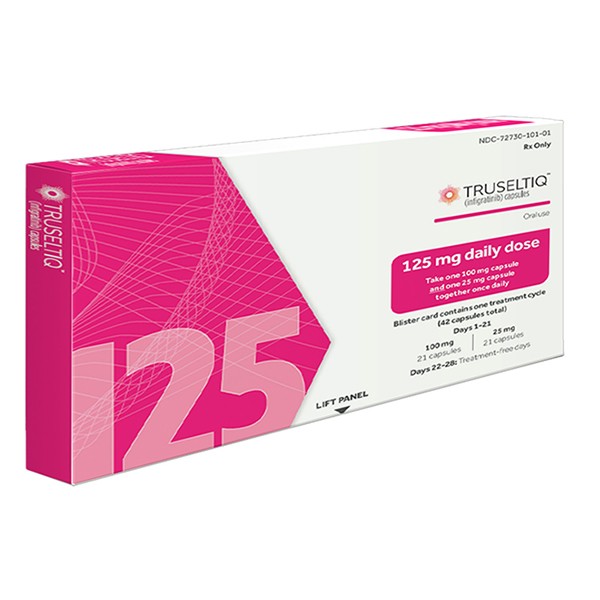
Infigratinib(Truseltiq)
Treatment of previously treated, unresectable locally advanced or metastatic...
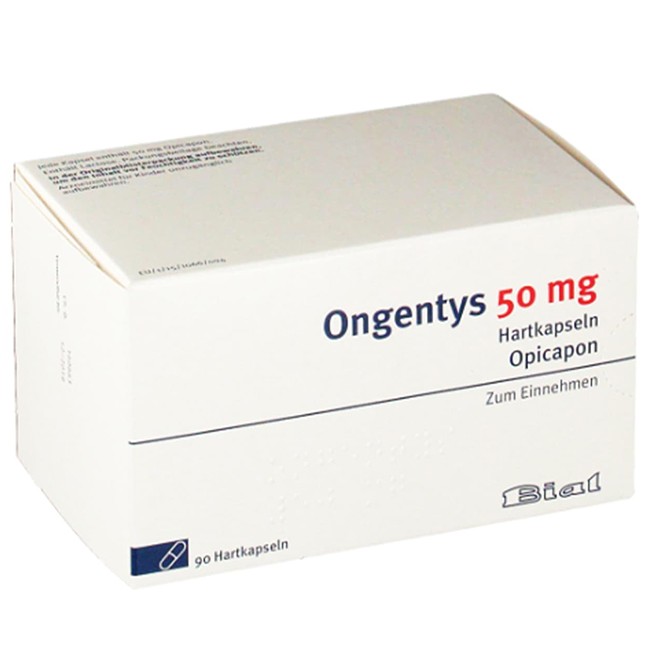
Opicapone(Ongentys)
Opicapone(Ongentys)
Adjunctive treatment to levodopa/carbidopa for reducing "off" episodes in...
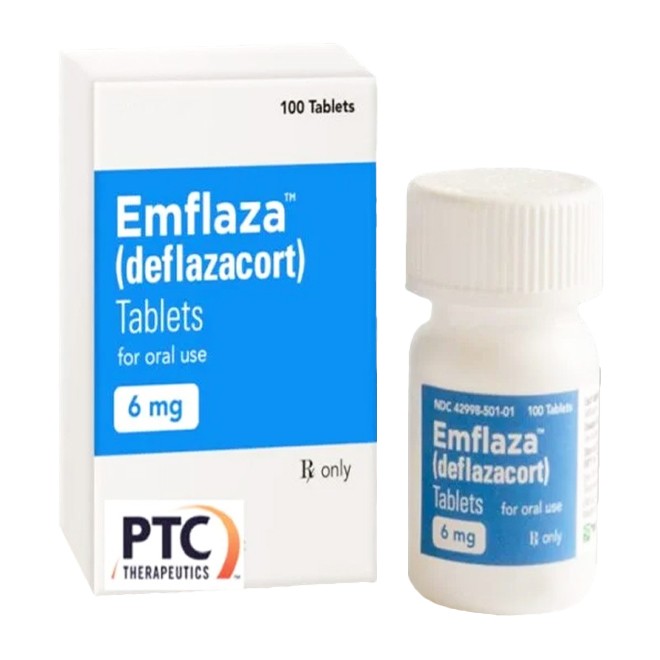
Deflazacort(Emflaza)
Treatment of Duchenne muscular dystrophy (DMD) in patients aged 2 years and...
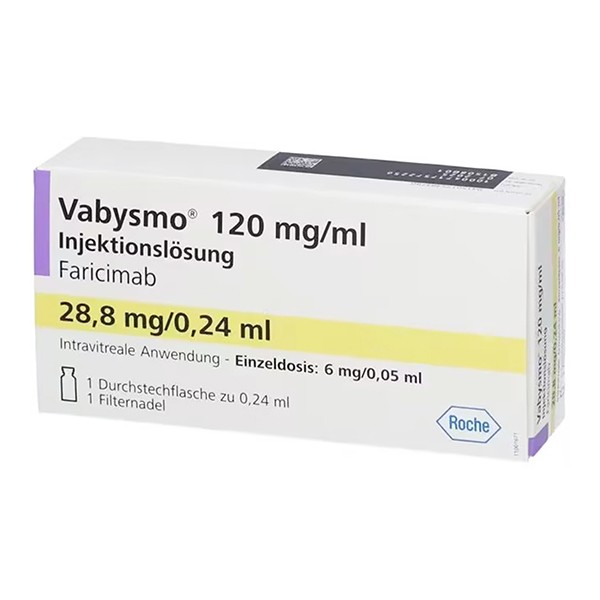
Faricimab-svoa(Vabysmo)
Treatment of neovascular age-related macular degeneration, diabetic macular...
Counselling Service
Global Drug Search
Clinical Research Recruitment
Overseas Medical Treatment
Remote Consultations
Note: Our medical consultant will contact you as soon as possible. We promise to strictly protect your privacy.
Submit
Business
  • Core products
  • Antitumor drugs
  • General drug
  • Antiviral drugs
  • Biological agents
Contact Us 
  • haiousales@gmail.com
Welcome to consult
Seagull Pharmacy.,Ltd All rights reserved