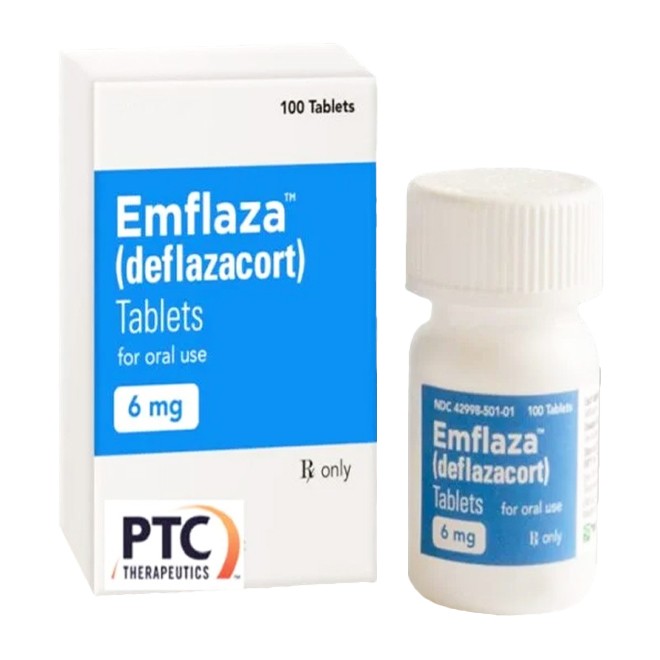


Proper storage methods can ensure the stability and safety of lomitapide. Patients should understand and follow the storage requirements below.
I. Basic Storage Conditions
1. Temperature Requirements
(1) The medicine should be stored in an environment below 30°C.
(2) Avoid placing it near radiators, stoves, balconies, or other places with excessive temperatures.
(3) During hot summer weather, pay attention to indoor temperature control.
2. Moisture Protection Requirements
(1) The medicine bottle cap must always be kept tightly closed to prevent moisture from entering.
(2) If the bottle becomes damp, it may cause the capsules to soften or the contents to clump, affecting the quality of the medicine.
3. Keep in Original Packaging
(1) The medicine should be kept in its original high-density polyethylene (HDPE) bottle; do not transfer it to other containers.
(2) The original packaging has good moisture protection and comes with an aluminum foil induction seal.
II. Storage Location and Safety
1. Keep Out of Reach of Children
(1) The medicine must be stored in a place where children cannot see or reach it.
(2) Accidental ingestion by children may lead to serious consequences.
(3) Choose a high cabinet or a locked drawer for storage.
2. Avoid Direct Light
Although the package insert does not specifically require protection from light, it is generally recommended to store the medicine in a cool, dark place, avoiding prolonged exposure to direct sunlight or strong light.
3. Keep Away from Bathroom and Kitchen
(1) Bathrooms and kitchens have high humidity and are not suitable for storing medicine.
(2) Choose dry, cool locations such as bedroom wardrobes or living room storage cabinets.
III. Use and Disposal
1. Expiration Date Management
(1) The expiration date is printed on the bottle or outer packaging; use the medicine before this date.
(2) The expiration date refers to the last day of that month.
(3) Expired medicine should not be used.
2. Tighten Cap Immediately After Use
(1) Tighten the bottle cap immediately after each use; do not leave the bottle open for long periods.
(2) Keep hands dry when taking the medicine to avoid introducing moisture into the bottle.
3. Disposal of Unused Medicine
(1) Unused or expired medicine should not be discarded with household trash or poured down the drain.
(2) Consult a pharmacist for proper medicine take-back or disposal methods to protect the environment.
4. Travel Recommendations
(1) When traveling, carry the original medicine bottle; do not split or transfer to other containers.
(2) For long trips, check whether the destination temperature exceeds 30°C; if necessary, take cooling measures (e.g., use a portable cooling pack, but avoid direct contact with ice packs).
5. Special Situation Reminders
(1) The desiccant or cotton inside the medicine bottle should be removed or discarded after first opening, as these materials may absorb moisture and become a source of dampness.
(2) If the capsules become discolored, deformed, or develop an odor, stop using them and consult a pharmacist.