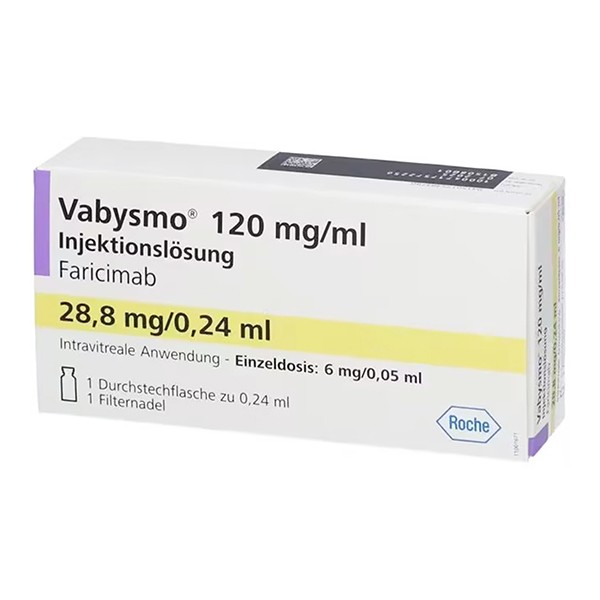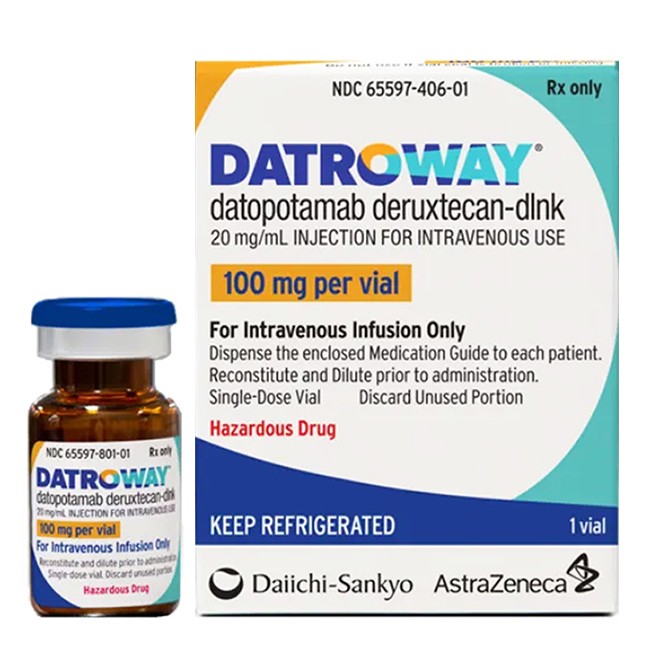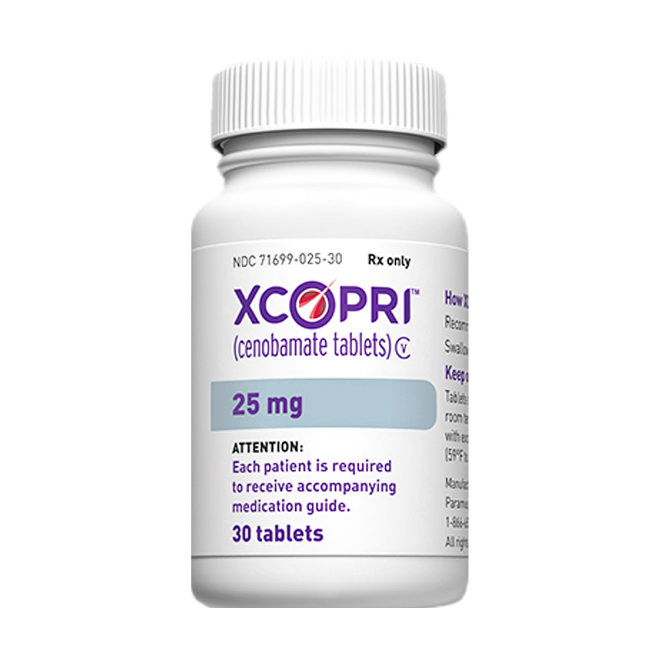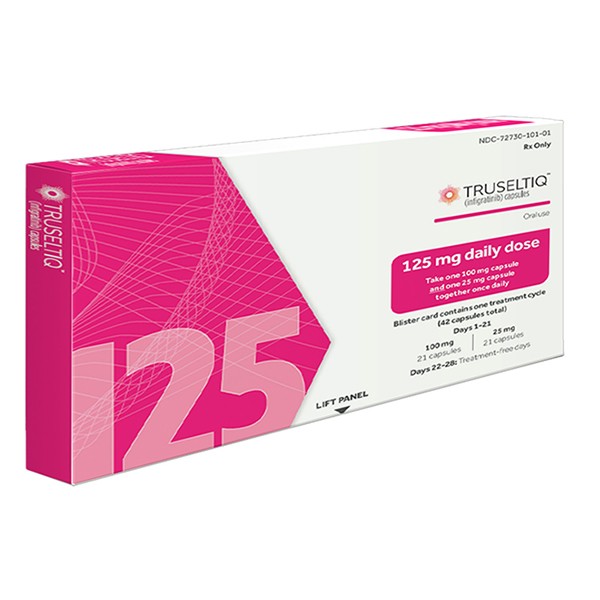


During the use of Zetotuzumab, in addition to mastering the dosage, administration, and adverse reactions, multiple medication details need attention.
I. Pre-treatment Preparations
1. Provide a complete medical history
(1) Inform the doctor of all past medical history, especially allergies, infection history, liver disease history, and autoimmune disease history.
(2) Inform whether any vaccines have been received recently, and whether there is a pregnancy or pregnancy preparation plan.
(3) If there has been a severe reaction to other biologics or drugs, be sure to explain in advance.
2. Provide a complete medication list
(1) List all medications currently being used, including prescription drugs, over-the-counter drugs, traditional Chinese medicines, and health supplements.
(2) Specifically indicate whether immunosuppressants, anticoagulants, or corticosteroids are being used.
(3) Do not add new drugs or discontinue existing drugs without the doctor's permission during treatment.
3. Complete necessary examinations
(1) Baseline tests such as blood routine, liver and kidney function, and infection screening should be completed before treatment.
(2) Women of childbearing potential need to undergo a pregnancy test and confirm a negative result before starting treatment.
(3) Assess cardiopulmonary function status to ensure tolerance of the infusion process.
II. Key Points for Cooperation During Treatment
1. Cooperation during infusion
(1) Stay relaxed before infusion, eat a moderate amount to avoid discomfort on an empty stomach.
(2) If any abnormal sensations (fever, chills, chest tightness, rash, etc.) occur during infusion, inform the nurse immediately.
(3) Do not adjust the infusion rate without authorization; all adjustments are made by medical staff.
2. Regular follow-up and monitoring
(1) Strictly complete each infusion according to the doctor's advice, without interruption or delay.
(2) Regularly recheck blood indicators to monitor organ function and treatment response.
(3) It is recommended to record the date, dose, and physical reactions of each medication to facilitate doctor's evaluation.
3. Vigilance for drug interactions
(1) If vaccination is needed during the use of this drug, consult the doctor in advance, as some live vaccines may be contraindicated.
(2) Before using other drugs, even for short-term use (such as cold medicine), seek the doctor's advice.
(3) Inform other department doctors that this drug is being used to avoid prescribing contraindicated drugs.
III. Daily Life Management Suggestions
1. Infection prevention measures
(1) During treatment, the immune system may be suppressed; wash hands frequently and maintain personal hygiene.
(2) Avoid going to crowded, poorly ventilated places, and wear a mask when necessary.
2. Oral and skin care
(1) Use a soft-bristled toothbrush to keep the mouth clean and prevent oral mucositis.
(2) When the skin is dry or has a mild rash, use mild, non-irritating moisturizing products.
(3) Avoid scratching the skin to prevent breakage and infection.
3. Diet and activity considerations
(1) Maintain a balanced diet, with moderate increase in high-quality protein and vitamin intake.
(2) Avoid raw, cold, or insufficiently heated foods to reduce the risk of digestive tract infections.
(3) Arrange moderate activities according to physical condition, avoid excessive fatigue, but also avoid prolonged bed rest.
4. Emergency management
(1) Memorize the contact information of the medical team to seek help promptly in case of emergency.
(2) If dyspnea, altered consciousness, or severe allergic manifestations occur, go to the emergency department immediately.
(3) Carry a medication information card with you, indicating that Zetotuzumab is being used and the contact information of the attending physician.