info@seagull-health.com
SeagullHealth
语言:
search
new
Indications of Azacitidine Tablets
508
Article source: Seagull Pharmacy
Apr 27, 2026

Azacitidine tablets are an oral maintenance therapy. Correctly understanding the indicated population, contraindications, and special population medication rules is a prerequisite for ensuring efficacy and safety.

Indications of Azacitidine Tablets

Core Indications

(1) Azacitidine tablets are indicated for the continued treatment of adult patients with acute myeloid leukemia.

(2) Patients must meet the following criteria: have received intensive induction chemotherapy and achieved first complete remission or complete remission with incomplete blood count recovery; and are unable to receive intensive curative treatment (such as hematopoietic stem cell transplantation) due to age, performance status, or comorbidities.

Not for Induction Therapy

This drug is not intended for induction remission therapy in newly diagnosed AML, but rather for post-remission maintenance therapy to prolong overall survival and delay disease progression.

Not for Myelodysplastic Syndromes

(1) It is particularly important to note that the use of azacitidine tablets in patients with MDS is associated with an increased risk of early death (mainly due to sepsis), and its safety and efficacy have not been established.

(2) Use of azacitidine tablets to treat MDS outside of clinical trials is not recommended.

Contraindications and Food Restrictions of Azacitidine Tablets

Absolute Contraindications

(1) Patients with a history of severe allergic reaction to azacitidine or any of its excipients should not use this drug.

(2) Severe allergic reactions may manifest as rash, dyspnea, angioedema, or even anaphylactic shock.

Drug Substitution Contraindication

(1) Azacitidine tablets must not be substituted for intravenous or subcutaneous injectable azacitidine, and vice versa.

(2) The indications, recommended dosage, and administration schedules of the two formulations are significantly different.

(3) Using the injectable formulation at the oral tablet dose may lead to fatal adverse reactions; conversely, using the oral tablet at the injectable formulation dose may result in lack of efficacy.

Food Restrictions

(1) No specific foods are explicitly contraindicated at present.

(2) Azacitidine tablets can be taken with or without food.

(3) It should be noted that a high-fat, high-calorie meal reduces the peak drug concentration but has no significant effect on total exposure.

(4) To maintain stable plasma concentrations, take the drug at a fixed time each day and maintain a consistent dietary status.

Use of Azacitidine Tablets in Special Populations

Pregnant Women

(1) Contraindicated during pregnancy.

(2) Women of childbearing potential must have a pregnancy test before treatment, and must use effective contraception during treatment and for at least 6 months after the last dose.

Breastfeeding Women

Breastfeeding is not recommended.

Males of Reproductive Potential

Male patients with female partners of childbearing potential must use effective contraception during treatment and for at least 3 months after the last dose.

Elderly Patients

No overall differences in safety and efficacy were observed between elderly and younger patients; no dose adjustment is required based solely on age.

Patients with Renal Impairment

(1) Drug exposure is significantly increased in patients with severe renal impairment (creatinine clearance 15-29 mL/min).

(2) Such patients should be closely monitored for adverse reactions, and dose adjustment should be made based on blood counts and other parameters.

(3) No pre-dose adjustment is required for mild to moderate renal impairment.

Patients with Hepatic Impairment

(1) No dose adjustment is required for patients with mild to moderate hepatic impairment (total bilirubin ≤ ULN with AST > ULN, or total bilirubin 1-3 × ULN).

(2) No studies have been conducted in patients with severe hepatic impairment (total bilirubin > 3 × ULN), and caution should be exercised.

Pediatric Patients

The safety and efficacy of azacitidine tablets in pediatric patients have not been established; use is not recommended in individuals under 18 years of age.

Note: For internal discussion among medical personnel only. For specific medication, please consult the attending physician. Drug information may change over time. For the latest information, we recommend adding a medical consultant or consulting for free online.
Recommended Articles
Dosage and Administration of Azacitidine Tablets
Azacitidine tablets are a key maintenance therapy drug for acute myeloid leukemia, and standardized medication and health management are equally important.Dosage and Administration of Azacitidine Tabl...
Dosage and Administration of Valcyte
Valcyte (valganciclovir) is a prescription antiviral medication. Proper dosage, strict precautions, and a healthy lifestyle are effective measures to ensure efficacy and safety.Dosage and Administrati...
Comprehensive Analysis of Valcyte: Side Effects, Relief Measures and Storage Conditions
While Valcyte exerts effective antiviral effects, it also presents significant toxic and side effects.I. Common Side Effects of Valcyte1. Hematological Toxicity(1) It is one of the most severe adverse...
Idelalisib (Zydelig): Dosage, Administration, Precautions and Healthy Lifestyle Guidelines
Idelalisib (Zydelig) is an oral PI3Kδ inhibitor indicated for the treatment of relapsed chronic lymphocytic leukemia (CLL).I. Dosage and Administration1. Standard Dosage(1) The recommended dose is 150...
Is Adagrasib available in China?
Adagrasib is a novel targeted therapy for the KRAS G12C mutation and has not yet been officially approved for sale in mainland China. Patients needing this drug must obtain it through specific legal c...
What Are the Common Side Effects of Adagrasib?
Adagrasib is a targeted therapy for KRAS G12C mutations, used as monotherapy for non-small cell lung cancer and in combination with cetuximab for colorectal cancer.What Are the Common Side Effects?1. ...
Indications for Niraparib
Niraparib (Zejula) is a PARP inhibitor indicated for maintenance treatment of certain patients with ovarian cancer.Indications for Niraparib1. First-line Maintenance Treatment of Advanced Ovarian Canc...
Common Side Effects Niraparib
Niraparib (Zejula), as a PARP inhibitor, can prolong survival in patients with ovarian cancer but may also cause a range of adverse reactions.Common Side Effects1. Hematologic ReactionsThrombocytopeni...
Related Articles
Side Effects, Management and Storage Guidelines for Sacubitril/Valsartan Sodium Tablets (Entresto)
Sacubitril/valsartan sodium tablets are highly effective in treating heart failure and hypertension, but like all medications, they may also cause some side effects.I. What are the common side effects...
Sacubitril Valsartan Sodium Tablets (Entresto): Indications, Contraindications, and Use in Special Populations
Sacubitril/Valsartan sodium tablets are indicated for chronic heart failure in adults and children, as well as for hypertension in adults. However, a thorough evaluation of contraindications and speci...
Tenapanor (Xphozah) Medication Guide: Dosage, Precautions, and Healthy Living
Tenapanor (Xphozah) is used to lower serum phosphorus in adult dialysis patients and must be strictly used according to the dosage and administration instructions.I. Dosage and Administration1. Recomm...
Xphozah (Tinapano) Side Effect Management and Storage Guidelines
Tenapanor (Xphozah) is used to lower serum phosphorus in dialysis patients, with the most common side effect being diarrhea. Correctly identifying side effects, mastering mitigation methods, and stori...
Side Effects, Mitigation Methods and Storage Guidelines for Lecanemab (Leqembi)
Lecanemab (Leqembi) can cause various side effects while treating early Alzheimer's disease.I. What are the common side effects?1. Infusion-related reactions(1) Occur in approximately 26% of patie...
Dosage and Administration, Precautions, and Healthy Lifestyle for Lecanemab (Leqembi)
Lecanemab (Leqembi) must be used under professional medical guidance. Adherence to prescribed medication and a healthy lifestyle can better ensure treatment efficacy and safety.I. Dosage and Administr...
What are the side effects of Urocalun?
Urocalun, a commonly used drug to promote the expulsion of kidney and ureteral stones, has a good overall safety profile but may still cause some side effects.I. What are the side effects of Urocalun?...
Urocalun: Indications, Contraindications, and Medication Precautions for Special Populations
Urocalun is a urinary calculus therapeutic agent extracted from the leaves and branches of Quercus stenophylla. Clarifying its indications, contraindications, and special population precautions is ess...
New Drugs
Infigratinib(Truseltiq)
Treatment of previously treated, unresectable locally advanced or metastatic...
Opicapone(Ongentys)
Opicapone(Ongentys)
Adjunctive treatment to levodopa/carbidopa for reducing "off" episodes in...
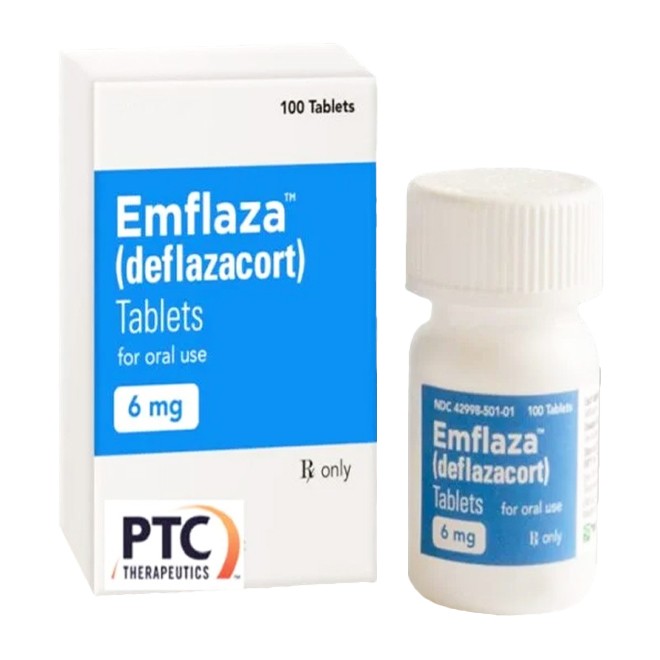
Deflazacort(Emflaza)
Treatment of Duchenne muscular dystrophy (DMD) in patients aged 2 years and...
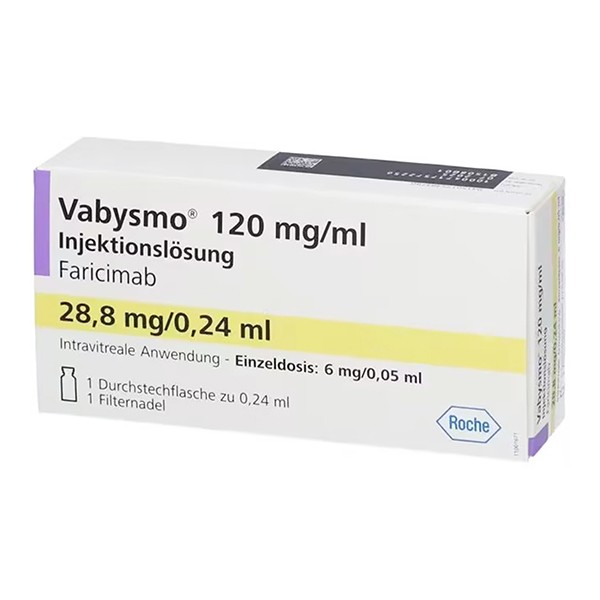
Faricimab-svoa(Vabysmo)
Treatment of neovascular age-related macular degeneration, diabetic macular...
Counselling Service
Global Drug Search
Clinical Research Recruitment
Overseas Medical Treatment
Remote Consultations
Note: Our medical consultant will contact you as soon as possible. We promise to strictly protect your privacy.
Submit
Business
  • Core products
  • Antitumor drugs
  • General drug
  • Antiviral drugs
  • Biological agents
Contact Us 
  • haiousales@gmail.com
Welcome to consult
Seagull Pharmacy.,Ltd All rights reserved