info@seagull-health.com
SeagullHealth
语言:
search
new
Comprehensive Analysis of Valcyte: Side Effects, Relief Measures and Storage Conditions
505
Article source: Seagull Pharmacy
Apr 24, 2026

While Valcyte exerts effective antiviral effects, it also presents significant toxic and side effects.

I. Common Side Effects of Valcyte

1. Hematological Toxicity

(1) It is one of the most severe adverse reactions of Valcyte.

(2) It may cause severe leukopenia, neutropenia, anemia, thrombocytopenia, and even aplastic anemia.

(3) Hematological toxicity can occur at any stage of treatment, and recovery generally begins 3 to 7 days after drug discontinuation.

2. Gastrointestinal Reactions

(1) Diarrhea is the most prevalent gastrointestinal side effect.

(2) Other manifestations include nausea, vomiting and abdominal pain.

(3) The incidence of diarrhea is relatively higher in renal transplant recipients.

(4) Most of these reactions are mild to moderate, but may compromise medication adherence.

3. Renal Impairment

(1) Acute renal failure may occur in elderly patients, individuals receiving concurrent nephrotoxic drugs, or dehydrated patients.

(2) Renal function requires close monitoring during medication, and dosage shall be adjusted according to creatinine clearance rate.

4. Neurological Symptoms

(1) Headache, insomnia, peripheral neuropathy, paresthesia and tremor have all been reported.

(2) Some patients may experience epilepsy, dizziness or confusion, which impairs the ability to drive and operate machinery.

5. Other Common Adverse Reactions

(1) Fever, fatigue, retinal detachment, urinary tract infection and other conditions are also common.

(2) The incidence of upper respiratory tract infection, nasopharyngitis and elevated blood creatinine in pediatric patients is higher than that in adults.

II. Measures to Alleviate Valcyte Side Effects

1. Management of Hematological Toxicity

(1) Complete blood cell count and platelet count shall be monitored frequently throughout treatment. Discontinuation should be considered if the absolute neutrophil count drops below 500/μL, platelets below 25,000/μL, or hemoglobin below 8 g/dL.

(2) Blood cell counts usually start to recover within 3 to 7 days after drug withdrawal.

(3) Hematopoietic growth factors (e.g., G-CSF) may be administered for severe cytopenia.

2. Relief of Gastrointestinal Reactions

(1) Administration with meals can enhance drug absorption and relieve gastric discomfort such as nausea.

(2) Patients with diarrhea should replenish water and electrolytes adequately to prevent dehydration.

(3) In case of severe symptoms, consult a physician for antidiarrheal medication or dosage adjustment if necessary.

3. Prevention and Management of Nephrotoxicity

(1) Serum creatinine and creatinine clearance rate should be monitored before and during treatment.

(2) Maintain adequate hydration and avoid concomitant use of other nephrotoxic agents (e.g., cyclosporine, amphotericin B, tacrolimus).

(3) Dosage adjustment based on creatinine clearance rate is required for patients with renal insufficiency.

(4) Special caution is warranted in elderly patients.

4. Intervention for Neurological Symptoms

(1) Patients with epilepsy, dizziness or confusion must refrain from driving or operating mechanical equipment.

(2) Seek prompt medical evaluation if symptoms persist or worsen; discontinue the drug or adjust the treatment regimen when needed.

5. General Supportive Measures

(1) All patients require regular follow-up with monitoring of blood routine, renal function and hepatic function.

(2) Do not self-manage any severe adverse reactions; contact a healthcare provider immediately.

(3) Physicians may prescribe dose reduction, temporary suspension or permanent discontinuation according to clinical conditions.

III. Storage Conditions of Valcyte

1. Storage of Tablets

(1) Valcyte tablets should be stored at room temperature of 20°C to 25°C, with permissible short-term fluctuations between 15°C and 30°C.

(2) Keep in the original bottle, protected from moisture and direct sunlight.

(3) Each bottle contains 60 tablets; the shelf life is subject to package labeling.

2. Storage of Oral Solution

(1) The dry powder can be stored at room temperature before reconstitution.

(2) Reconstituted oral solution must be refrigerated at 2°C to 8°C (36°F to 46°F) and used within 49 days.

(3) Freezing is strictly prohibited.

(4) Pharmacists shall mark the discard date on the bottle.

Note: For internal discussion among medical personnel only. For specific medication, please consult the attending physician. Drug information may change over time. For the latest information, we recommend adding a medical consultant or consulting for free online.
Recommended Articles
Idelalisib (Zydelig): Dosage, Administration, Precautions and Healthy Lifestyle Guidelines
Idelalisib (Zydelig) is an oral PI3Kδ inhibitor indicated for the treatment of relapsed chronic lymphocytic leukemia (CLL).I. Dosage and Administration1. Standard Dosage(1) The recommended dose is 150...
Side Effects, Mitigation Measures and Storage Guidelines for Idelalisib (Zydelig)
Idelalisib (Zydelig) is an oral PI3Kδ inhibitor indicated for the treatment of relapsed chronic lymphocytic leukemia.I. Common Side Effects of Idelalisib1. Adverse Reactions with Incidence Rate ≥ 30%(...
Guidelines for Adverse Effect Management and Storage of Capmatinib (Tabrecta)
While effectively inhibiting tumors, capmatinib (Tabrecta) may induce a variety of adverse reactions.I. Common Adverse Effects of Capmatinib1. Adverse effects with an incidence rate ≥ 20%The most freq...
Capmatinib (Tabrecta): Dosage, Precautions and Healthy Lifestyle Guidelines
Standardized medication is the cornerstone for the efficacy of capmatinib. Combined with scientific health management, it can reduce adverse reactions and improve quality of life.I. Dosage and Adminis...
Dosage and Administration of Valcyte
Valcyte (valganciclovir) is a prescription antiviral medication. Proper dosage, strict precautions, and a healthy lifestyle are effective measures to ensure efficacy and safety.Dosage and Administrati...
Dosage and Administration of Azacitidine Tablets
Azacitidine tablets are a key maintenance therapy drug for acute myeloid leukemia, and standardized medication and health management are equally important.Dosage and Administration of Azacitidine Tabl...
Indications of Azacitidine Tablets
Azacitidine tablets are an oral maintenance therapy. Correctly understanding the indicated population, contraindications, and special population medication rules is a prerequisite for ensuring efficac...
Is Adagrasib available in China?
Adagrasib is a novel targeted therapy for the KRAS G12C mutation and has not yet been officially approved for sale in mainland China. Patients needing this drug must obtain it through specific legal c...
Related Articles
Side Effects, Management and Storage Guidelines for Sacubitril/Valsartan Sodium Tablets (Entresto)
Sacubitril/valsartan sodium tablets are highly effective in treating heart failure and hypertension, but like all medications, they may also cause some side effects.I. What are the common side effects...
Sacubitril Valsartan Sodium Tablets (Entresto): Indications, Contraindications, and Use in Special Populations
Sacubitril/Valsartan sodium tablets are indicated for chronic heart failure in adults and children, as well as for hypertension in adults. However, a thorough evaluation of contraindications and speci...
Tenapanor (Xphozah) Medication Guide: Dosage, Precautions, and Healthy Living
Tenapanor (Xphozah) is used to lower serum phosphorus in adult dialysis patients and must be strictly used according to the dosage and administration instructions.I. Dosage and Administration1. Recomm...
Xphozah (Tinapano) Side Effect Management and Storage Guidelines
Tenapanor (Xphozah) is used to lower serum phosphorus in dialysis patients, with the most common side effect being diarrhea. Correctly identifying side effects, mastering mitigation methods, and stori...
Side Effects, Mitigation Methods and Storage Guidelines for Lecanemab (Leqembi)
Lecanemab (Leqembi) can cause various side effects while treating early Alzheimer's disease.I. What are the common side effects?1. Infusion-related reactions(1) Occur in approximately 26% of patie...
Dosage and Administration, Precautions, and Healthy Lifestyle for Lecanemab (Leqembi)
Lecanemab (Leqembi) must be used under professional medical guidance. Adherence to prescribed medication and a healthy lifestyle can better ensure treatment efficacy and safety.I. Dosage and Administr...
What are the side effects of Urocalun?
Urocalun, a commonly used drug to promote the expulsion of kidney and ureteral stones, has a good overall safety profile but may still cause some side effects.I. What are the side effects of Urocalun?...
Urocalun: Indications, Contraindications, and Medication Precautions for Special Populations
Urocalun is a urinary calculus therapeutic agent extracted from the leaves and branches of Quercus stenophylla. Clarifying its indications, contraindications, and special population precautions is ess...
New Drugs
Infigratinib(Truseltiq)
Treatment of previously treated, unresectable locally advanced or metastatic...
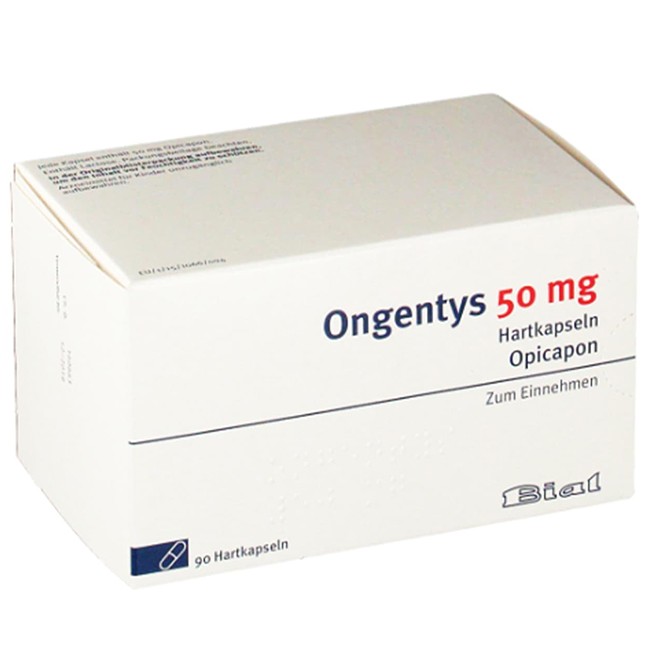
Opicapone(Ongentys)
Opicapone(Ongentys)
Adjunctive treatment to levodopa/carbidopa for reducing "off" episodes in...
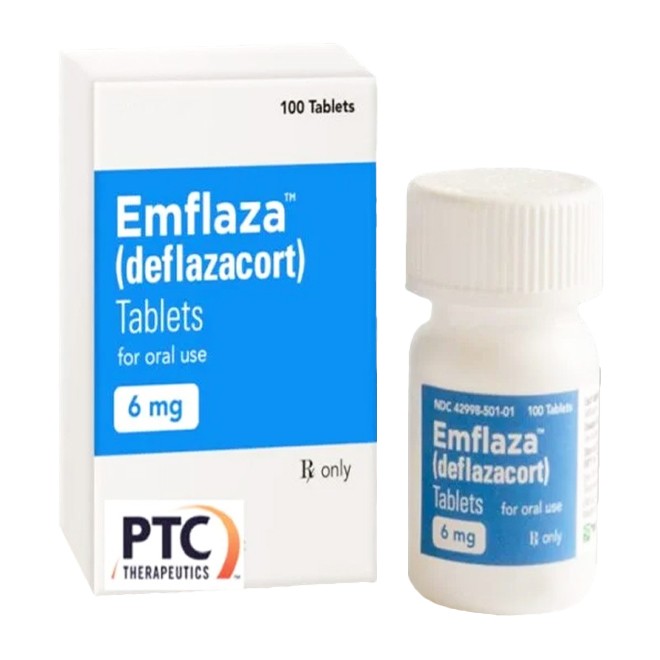
Deflazacort(Emflaza)
Treatment of Duchenne muscular dystrophy (DMD) in patients aged 2 years and...
Faricimab-svoa(Vabysmo)
Treatment of neovascular age-related macular degeneration, diabetic macular...
Counselling Service
Global Drug Search
Clinical Research Recruitment
Overseas Medical Treatment
Remote Consultations
Note: Our medical consultant will contact you as soon as possible. We promise to strictly protect your privacy.
Submit
Business
  • Core products
  • Antitumor drugs
  • General drug
  • Antiviral drugs
  • Biological agents
Contact Us 
  • haiousales@gmail.com
Welcome to consult
Seagull Pharmacy.,Ltd All rights reserved